
Digital Screen Use and Rest: What the Evidence Suggests
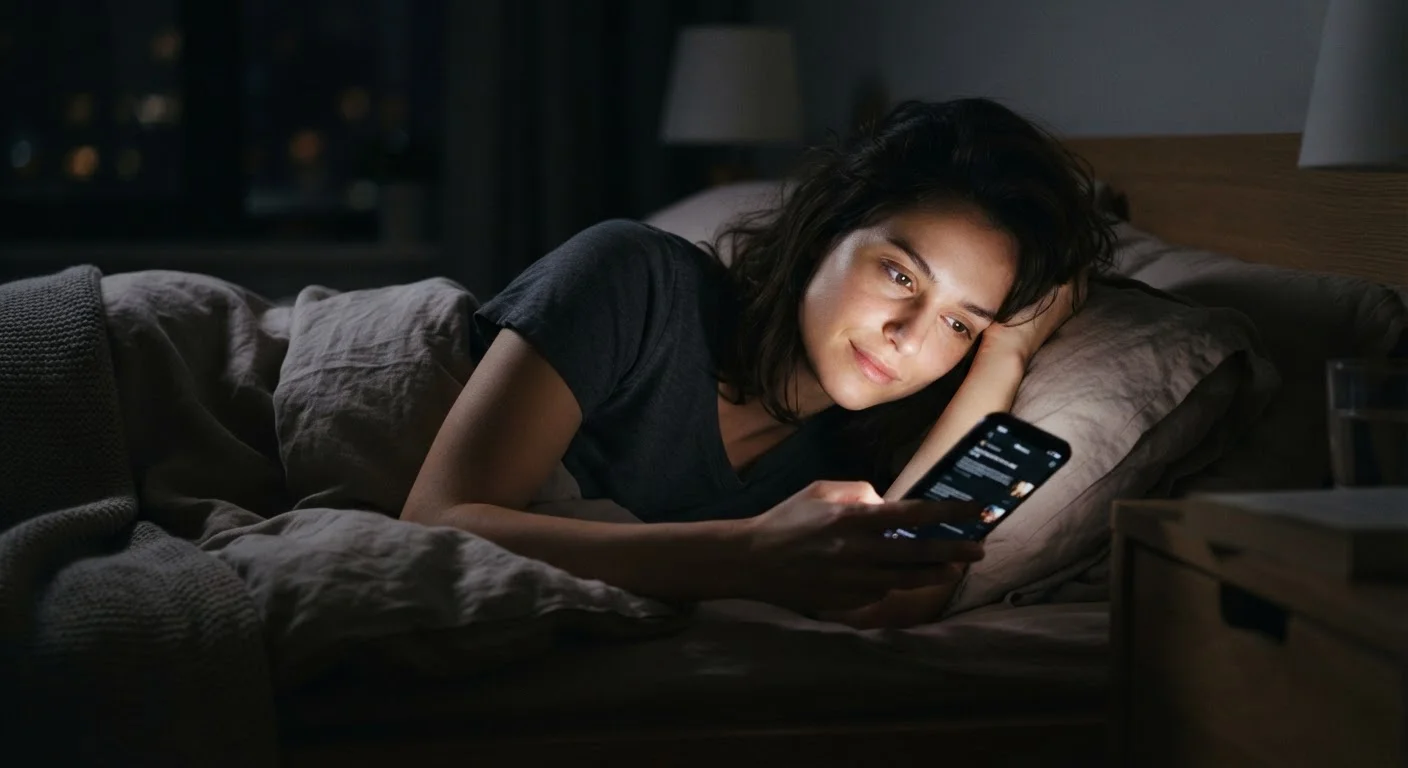
Photo credit: faqsnest.com
In this article
Screen time before bed is widely discussed, but the evidence is nuanced. A clear look at what research actually says about light, alertness, and sleep.
Key Takeaways
- Blue light from screens is one of several factors that can affect sleep, not the sole cause of poor rest.
- The timing, brightness, and duration of screen use matter more than the device type alone.
- Mentally stimulating content before bed — not just light — can delay sleep onset.
- Simple adjustments to screen habits can meaningfully support better sleep without total abstinence.
- Individual sensitivity to light and stimulation varies, so one-size-fits-all rules rarely apply.
Why This Conversation Matters
Screens are woven into nearly every waking hour — and increasingly into the hour before sleep. The advice to "put your phone down" before bed has become almost reflexive in wellness circles, but the research behind it is considerably more layered than the headline version suggests.
Understanding what the evidence actually says helps you make smarter choices rather than following blanket rules that may or may not apply to your situation. This article separates the well-supported findings from the oversimplifications, so you can adjust your habits with a clearer picture. For a broader framework on evening routines, see what sleep hygiene actually means.
Common Myths — And What the Research Actually Shows
Several widely repeated claims about screens and sleep don't hold up cleanly under scrutiny. The myth-and-fact pairs below draw on peer-reviewed sleep science to correct the most common misunderstandings.
Myth
Blue light from screens is the main reason screens disrupt sleep.
Fact
Blue light is one contributing factor, but mental stimulation and content type have a comparably significant — and sometimes larger — effect on sleep onset.
Blue light (wavelengths around 480 nm) does suppress melatonin, the hormone that signals the body to prepare for sleep. However, laboratory studies that controlled for content and measured light exposure in isolation found that the effect size from typical consumer devices is often modest — especially when screens are held at normal viewing distances and brightness levels. A 2019 review in Sleep Medicine Reviews noted that real-world screen use bundles together light exposure, engaging content, and delayed bedtimes, making it difficult to isolate blue light as the primary driver. Cognitive and emotional engagement before bed consistently shows strong associations with delayed sleep onset in its own right.
Myth
Blue-light-blocking glasses or filter apps eliminate the sleep-related impact of evening screen use.
Fact
The evidence for blue-light-blocking glasses improving sleep is mixed and, in several controlled trials, not significantly better than placebo.
Several randomized controlled trials have tested whether blue-light-filtering lenses improve sleep outcomes compared to clear lenses. Results have been inconsistent — some studies show modest improvements in sleep latency (time to fall asleep), others show no significant difference. A 2021 trial published in Sleep found no statistically significant improvement in sleep onset for participants wearing blue-light-blocking glasses versus controls. Software filters (like night mode) reduce blue-light output but don't address mental stimulation. These tools may provide marginal benefit for some individuals, but they're not a reliable fix for screen-related sleep disruption on their own.
Myth
Any screen use within two hours of bed will harm your sleep.
Fact
The relationship is dose- and context-dependent; low-intensity, non-stimulating screen use close to bedtime has a much smaller documented effect than high-engagement use.
The two-hour rule is a useful heuristic but not a hard finding from sleep research. Studies comparing passive, low-stimulation screen activities (reading static text on a dimmed e-reader, watching a calm program) with high-engagement activities (scrolling social media, gaming, watching intense content) consistently find larger sleep-disrupting effects for the latter. Duration and brightness also matter — a brief, dimmed interaction has a different physiological footprint than 90 minutes of bright, stimulating content. Individual differences in light sensitivity and baseline sleep quality add further variability.
Myth
Children and teenagers are affected by screens the same way adults are.
Fact
Younger people — particularly adolescents — show greater sensitivity to the alerting effects of light at night, making evening screen use a more significant concern for this group.
Adolescent circadian biology is already shifted later (a biologically driven tendency to stay awake and sleep later), and research suggests their melatonin suppression response to evening light is proportionally stronger than in adults. Studies published in journals including PNAS have documented that teenagers' sleep timing and quality are more substantially affected by evening light exposure than adult samples in comparable conditions. This means evidence-based guidance for adolescents and children should be treated separately from adult recommendations — and parents should consult pediatric healthcare professionals rather than applying adult-focused advice directly. Special-population guidance (children, pregnant individuals, those with chronic conditions) warrants professional input.
Myth
Switching to an e-reader instead of a phone solves the screen-sleep problem.
Fact
E-readers with frontlighting still emit light that can affect alertness; the improvement over smartphones depends on brightness settings and content, not the device category alone.
A frequently cited 2014 study in PNAS (Chang et al.) compared a light-emitting e-reader to a printed book and found the e-reader group took longer to fall asleep and showed reduced evening melatonin. However, the devices were used at fixed, relatively high brightness levels. Subsequent research and expert commentary have noted that dimming an e-reader to low settings substantially reduces — though doesn't eliminate — the light-related effect. The type of content read on any device also matters for mental arousal. E-readers are not categorically better or worse; brightness and content choices determine most of the impact.
What Actually Disrupts Your Sleep
The research suggests sleep disruption before bed is rarely caused by a single factor. Light exposure, mental arousal, anxiety triggered by content, irregular sleep timing, and pre-existing sleep disorders all interact. Screens contribute to some of these pathways — particularly through alerting content and delayed sleep timing — but they're rarely acting alone.
One underappreciated finding: lying awake scrolling through emotionally charged news or social media keeps the brain's threat-detection systems active. That cognitive arousal is harder to wind down from than passive, low-stimulation content, regardless of screen brightness. Poor sleep, in turn, has consequences that extend beyond the bedroom — including impaired alertness while driving, a risk explored in detail in driver fatigue and judgment.
~90%
Adults who use a screen within an hour of bedtime
National Sleep Foundation surveys have consistently found that a large majority of American adults use electronic devices in the hour before sleep.
~30 min
Average delay in sleep onset linked to high-engagement evening screen use
Several controlled studies suggest high-stimulation screen use can delay sleep onset by roughly 30 minutes on average, though individual variation is substantial.
50–75%
Reduction in melatonin suppression from dimming screen brightness
Research indicates that reducing screen brightness to low settings can substantially cut light-related melatonin suppression compared to maximum brightness.
Practical Adjustments Worth Making
Rather than an all-or-nothing approach, the evidence supports a few targeted adjustments that reduce the more reliably documented risks:
- Reduce brightness after dark. Use automatic night modes or manually dim screens in the evening. Lower luminance reduces the alerting effect of light without requiring you to go dark entirely.
- Wind down content, not just devices. Switching to calming, low-stimulation material — an e-reader, a podcast, light reading — matters as much as the screen itself.
- Set a rough cutoff for high-engagement apps. Social feeds, news, and work email are high-arousal contexts. A loose boundary — not a rigid ban — is more sustainable and likely sufficient for most people.
- Keep consistent sleep and wake times. Circadian rhythm stability is one of the most consistently supported sleep quality predictors. Screen habits matter less when your sleep schedule is anchored.
If you want a structured approach to building these habits into your evening, building a wind-down routine that sticks offers a practical starting point.
This article is for general informational purposes only and is not medical advice. If you have persistent sleep difficulties, consult a qualified healthcare professional.

Author
Everyday Lifestyle Editorial Team
Everyday Lifestyle Editorial Team is the collective byline for our editorial team and contributor network. Articles published under this byline or an editorial pen name are researched, written, and reviewed according to our editorial standards for clarity, consistency, and independence before publication.
View all articles →