
Car Maintenance on a Budget: What to Prioritise
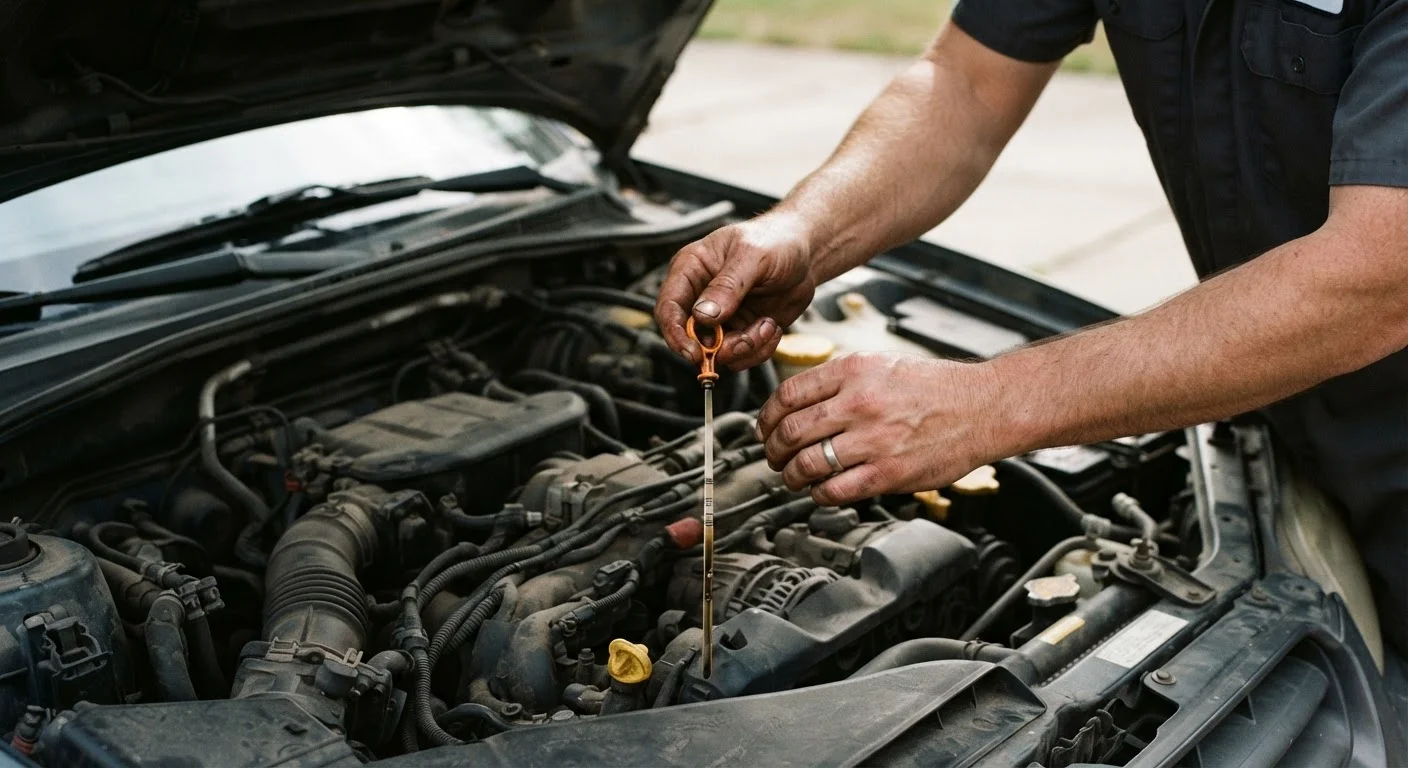
Photo credit: faqsnest.com
In this article
When money is tight, not every maintenance task carries equal weight. Here's how to think through what matters most.
Key Takeaways
- Safety-critical systems like brakes and tyres should always come before cosmetic or comfort-related maintenance.
- Neglecting low-cost routine tasks — like oil changes and fluid checks — often leads to far more expensive repairs later.
- Many basic checks cost nothing and can be done at home without specialist tools or mechanical experience.
- Understanding your owner's manual intervals helps you avoid paying for services you don't yet need.
- When money is tight, focus on what prevents breakdowns and keeps the car legally roadworthy.
Why Prioritisation Matters More Than Perfection
Keeping a car in perfect shape costs money most people don't have sitting around. The goal for budget-conscious drivers isn't to skip maintenance — it's to understand which tasks genuinely protect safety and prevent bigger bills, and which ones can wait a little longer without serious consequence.
The common mistake is treating all maintenance as equal weight. An oil change and a cabin air filter replacement are both legitimate tasks, but they don't carry the same urgency. When funds are limited, that distinction matters enormously. As this breakdown of deferred repairs explains, the shortcuts that seem harmless are often the ones that quietly compound into larger costs.
Start from a simple framework: safety first, then reliability, then comfort and convenience. Everything else flows from that order.
The Maintenance Tasks You Should Never Delay
Some items sit at the top of every priority list because their failure doesn't just strand you — it puts you and others at risk.
Keep up with oil and filter changes on schedule
Engine oil lubricates and cools moving parts. Old, degraded oil loses its protective properties and accelerates wear. Neglecting oil changes is one of the most reliable ways to shorten an engine's life — and engine repairs are among the most expensive in automotive work.
Check tyre pressure and tread depth monthly
Underinflated tyres wear unevenly, reduce fuel economy, and — critically — affect braking distance and handling. Tread depth below the legal minimum is both a safety issue and a legal one. Neither check costs anything beyond a few minutes. The full tyre maintenance guide explains how to read tread wear indicators and what pressure figures to use.
Inspect and maintain your braking system before other non-critical repairs
Brake pad wear is progressive and predictable. Most vehicles give audible warning (a squeal) when pads are getting low, and ignoring that warning long enough allows metal-on-metal contact that damages rotors. Rotor replacement costs substantially more than pad replacement alone.
Keep essential fluid levels within the correct range
Coolant, brake fluid, and power steering fluid all perform specific protective and functional roles. Running low on any of them can cause component failure that far exceeds the cost of a fluid top-up. These checks take minutes and require no tools.
Replace wiper blades and check lighting before winter
These are low-cost items that directly affect visibility — a safety-critical factor. Wiper blades degrade with UV exposure and temperature swings, and failed bulbs can result in traffic citations in addition to the obvious hazard.
For a fuller picture of what to check by season — including items that are easy to overlook — see the seasonal maintenance checklist to build a structured routine around your budget.
Free and Low-Cost Checks You Can Do Yourself
Not every maintenance task requires a shop visit or any spending at all. A significant number of the checks that matter most can be done in your driveway in under 15 minutes.
If you're unsure which tasks are genuinely safe to handle yourself versus when a mechanic is the smarter call, this guide on DIY versus professional work lays out the honest distinctions.
Using Your Owner's Manual as a Budget Tool
One of the most underused resources in car ownership is the owner's manual — specifically the service interval schedule. Many drivers either follow folklore ("change your oil every 3,000 miles no matter what") or take a dealer's word for what's due. Both approaches can lead to paying for services earlier than the manufacturer actually recommends.
Your manual lists the intervals for oil changes, transmission fluid, coolant flushes, spark plugs, and more — and these intervals are based on the engineering of your specific vehicle. Following them rather than guessing means you're not spending money ahead of schedule. For a balanced look at how extended service intervals actually work in practice, see this honest assessment of longer service gaps.
Also check whether your car has a maintenance reminder system on the dashboard. Many vehicles built in the past decade use oil life monitoring that calculates change intervals based on actual driving conditions — which is often more accurate than mileage alone. For drivers new to navigating all of this, this first-time owner's grounding covers the essentials from scratch.
Thinking Ahead: The Real Cost of Deferring Too Long
Budget maintenance isn't about ignoring problems — it's about making smart calls about timing. There's a meaningful difference between choosing to rotate tyres next month because money is tight, and ignoring a brake squeal for six months because it's inconvenient to deal with.
Deferred safety maintenance rarely stays cheap. Worn brake pads that aren't replaced can score the rotors, turning a modest parts cost into a significantly larger repair. Low coolant that isn't topped up can contribute to overheating, which in worst cases means engine damage. The guide to checking and topping up your car's fluids shows how straightforward those checks are — and how little they cost when done regularly.
When you can't do everything at once, document what you're deferring and set a realistic date to address it. That habit alone prevents "I'll get to it eventually" from turning into an emergency repair bill.
This article is for general informational purposes. For any repair or maintenance task involving safety-critical systems, consult a qualified mechanic before proceeding.

Author
Cars & Driving Editorial Team
Cars & Driving Editorial Team is the collective byline for our editorial team and contributor network. Articles published under this byline or an editorial pen name are researched, written, and reviewed according to our editorial standards for clarity, consistency, and independence before publication.
View all articles →