
Checking and Topping Up Your Car's Fluids
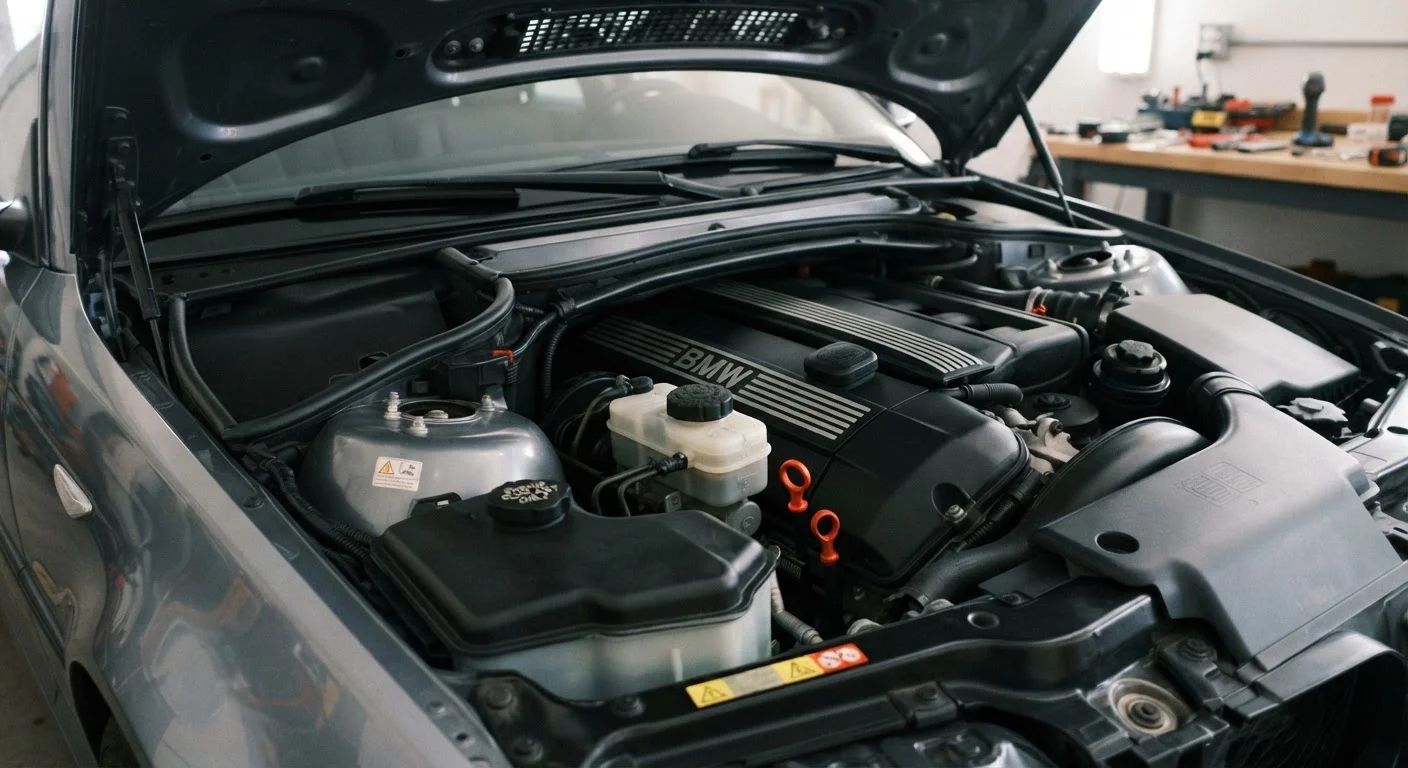
Photo credit: faqsnest.com
In this article
A step-by-step walkthrough for checking coolant, brake fluid, power steering fluid, and windscreen wash — safely and correctly.
Key Takeaways
- Always check fluids when the engine is cold and the car is on level ground.
- Most reservoirs are translucent, so you can read levels without removing the cap.
- Coolant, brake fluid, power steering fluid, and windshield washer fluid each have specific top-up requirements.
- A sudden drop in brake fluid level may indicate a leak — consult a mechanic promptly.
- Using the wrong fluid type can damage your vehicle; always verify with your owner's manual.
Why Fluid Checks Matter
Your car relies on several fluids to keep its systems running safely. Coolant regulates engine temperature, brake fluid transmits braking force, power steering fluid helps you steer with minimal effort, and windshield washer fluid keeps your visibility clear. Let any of them run low or degrade, and you're looking at anything from a scratched windshield to a seized engine.
The good news: checking these fluids is one of the simplest things you can do as a car owner — no mechanical background required. It takes about 10 to 20 minutes, and doing it once a month (or before any long trip) puts you well ahead of most problems. For a broader look at what to monitor throughout the year, see our seasonal car maintenance checklist.
If you want to understand why these systems matter at a deeper level, our guide on how the cooling system works is a useful companion read.
What you will need
What You'll Need
Before opening the hood, gather a few basic items. You don't need specialist tools — just the right materials and your vehicle's owner's manual.
Owner's manual
Confirms the correct fluid type, grade, and fill range specific to your vehicle.
Clean lint-free cloths
Used to wipe the oil dipstick clean and mop up any minor spills.
Flashlight or phone torch
Helps you see fluid levels clearly in reservoirs that may be in shadowed areas of the engine bay.
Funnel
Allows precise topping up without spilling fluid into the engine bay.
Nitrile gloves
Protects your hands from coolant and brake fluid, both of which can irritate skin.
Your owner's manual is genuinely important here. It specifies the exact fluid grades and types your vehicle requires. Using the wrong coolant mixture or an incompatible brake fluid specification can cause damage that isn't immediately obvious but adds up over time.
Step-by-Step: Checking and Topping Up Each Fluid
Follow these steps in order. Take your time — there's no need to rush, and careful handling keeps both you and your vehicle safe.
Park safely and let the engine cool
Pull onto a flat, level surface and switch off the engine. Wait at least 30 minutes before opening the hood — longer if the car has been running hard. A hot engine means pressurized coolant and hot metal surfaces that can cause burns.
Check the coolant level
Find the coolant reservoir — it's usually a translucent plastic tank with a colored cap marked with a temperature symbol. Check the level against the MIN and MAX markings on the side. If it's below MIN, add the correct coolant mixture (typically a 50/50 mix of antifreeze and distilled water, but confirm in your manual). Pour slowly using a funnel.
Check the brake fluid level
The brake fluid reservoir is typically located near the back of the engine bay on the driver's side, with a small translucent reservoir and a cap marked 'BRAKE.' Check the level against the MIN and MAX lines. If it's between the marks, it's fine. If it's at or below MIN, top up with the brake fluid grade specified in your manual (commonly DOT 4, but verify this).
Check the power steering fluid
Not all vehicles have a traditional power steering fluid reservoir — many modern cars use electric power steering, which needs no fluid. If yours has a reservoir (check your manual), it will typically be a small container with a dipstick or MIN/MAX markings. Check the level and top up with the specified fluid if needed. A whining noise when turning is often a sign the level is low.
Top up the windshield washer fluid
The washer fluid reservoir is the easiest to find and fill — it's usually a blue-capped tank. Remove the cap and top up with a purpose-made washer fluid solution. In colder months, use a formula rated for freezing temperatures. Do not use plain water, which can freeze in the lines and damage the pump.
Replace all caps and close the hood
Double-check that every reservoir cap is firmly closed before lowering the hood. A loose coolant cap in particular can allow the system to lose pressure, and an unsecured oil cap can spray oil across the engine bay. Give each cap a firm turn and listen for it to click or seat properly.
Once you're done, replace all caps securely, close the hood, and dispose of any used cloths or spilled fluid responsibly. Even small coolant spills should be cleaned up — antifreeze is toxic to animals.
For a broader view of what else sits under the hood, our overview of eight key vehicle systems is worth a look.
When to Call a Mechanic Instead
Topping up fluids is well within the reach of any driver. But certain situations call for professional attention rather than a DIY fix.
- Brake fluid keeps dropping: If you top it up and it's low again within weeks, there's likely a leak in the system. This is a safety issue — have it inspected. Our article on how the brake system works and when to get it checked explains what to watch for.
- Coolant is discolored or oily: Brown, rusty, or oily coolant can indicate a head gasket problem. Don't just flush and refill — get a diagnosis first.
- Power steering fluid is very dark or smells burnt: This may indicate the fluid has broken down or there's a wider steering system issue.
- You're unsure of the correct fluid type: If your manual isn't available and you can't confirm the right specification, it's safer to visit a shop than to guess.
Fluid checks pair naturally with other routine maintenance. If you haven't already, our tyre maintenance guide covers the checks that complement what you've done here — and together they form a solid DIY maintenance routine. If budget is a concern, our guide on prioritizing maintenance when money is tight can help you decide what to tackle first.

Author
Cars & Driving Editorial Team
Cars & Driving Editorial Team is the collective byline for our editorial team and contributor network. Articles published under this byline or an editorial pen name are researched, written, and reviewed according to our editorial standards for clarity, consistency, and independence before publication.
View all articles →