
Genre Conventions That Signal Trust — and the Films That Break Them Deliberately
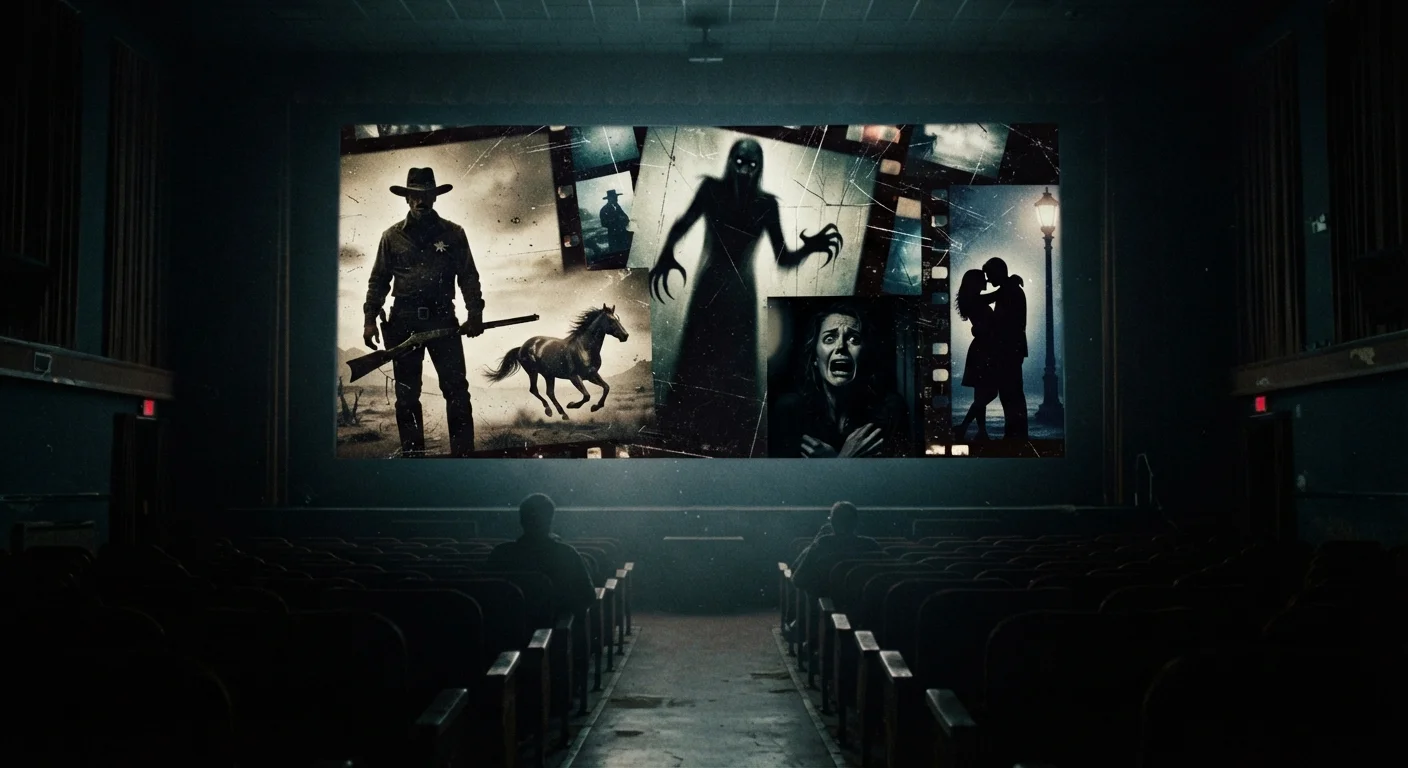
Photo credit: faqsnest.com
In this article
Genre rules exist as a contract with the audience. Learn which conventions define each major genre and how subversion can illuminate or alienate viewers.
The Unspoken Contract Between Genre and Audience
When a viewer sits down to watch a film, they rarely arrive without expectations. Genre is the mechanism that sets those expectations — an implicit agreement between filmmaker and audience about the kind of experience being offered. A horror film promises dread and danger. A romantic comedy promises emotional warmth and eventual union. A western promises open landscapes, moral clarity, and a reckoning. These are not arbitrary associations; they are conventions refined over decades of repeated storytelling that audiences have learned to decode almost instinctively.
Film theorists often describe this dynamic as a genre contract: the filmmaker signals a genre, and the audience adjusts their interpretive frame accordingly. That frame shapes how viewers read ambiguous scenes, evaluate character choices, and calibrate emotional investment. Understanding which conventions define each major genre — and why deliberate subversion matters — is central to reading cinema critically. For a foundational framework on how story structure underpins these genre expectations, see our analysis of the three-act structure.
Genre Contract
The implicit agreement between a filmmaker and audience, established through genre signals, about the kind of story being told and the emotional experience being promised. Violating this contract deliberately can be a powerful artistic choice; doing so unintentionally risks losing audience engagement.
Genre Convention
A recurring narrative element, character type, visual motif, or structural pattern associated with a specific genre. Conventions evolve over time but persist because they reliably produce the emotional or interpretive effects audiences seek from that genre.
Subversion
The deliberate inversion or rejection of an established genre convention to create surprise, reframe meaning, or critique the assumptions embedded in the genre itself. Effective subversion requires first making the convention legible to the audience.
Archetype
A universally recognizable character type that recurs across genres and cultures — the lone hero, the mentor, the trickster. Genre archetypes carry inherited audience expectations that filmmakers can fulfill, complicate, or deliberately undermine.
Information Asymmetry
A narrative condition in which the audience knows more (or less) than the protagonist, creating tension, dramatic irony, or suspense. Thrillers and noir films frequently manipulate this gap to control emotional pacing.
Genre Hybridity
The blending of conventions from two or more distinct genres within a single film. Genre hybridity can expand expressive range but also risks diluting the clarity of the genre contract if the combination is not handled with coherent intent.
Core Conventions by Genre
Each major genre carries a recognizable toolkit of conventions across setting, character archetype, narrative trajectory, and tone. The following overview identifies the most durable of these signals:
- Horror: An isolated or vulnerable protagonist, an escalating threat the audience perceives before the character does, and violence or death used to establish stakes. The final confrontation typically occurs in the most confined or exposed location in the film.
- Romantic Comedy: An "meet-cute" inciting incident, a couple whose union is blocked by misunderstanding or circumstance, and a reconciliation that validates emotional sincerity over social convention. The happy ending is almost always obligatory — its absence reframes the entire film.
- Western: A morally coded landscape (civilization vs. wilderness), a lone protagonist mediating between order and chaos, and justice delivered through physical confrontation. The genre's visual grammar — wide shots, dust, silence — carries as much meaning as dialogue.
- Thriller/Noir: Information asymmetry between character and audience (or vice versa), a morally compromised protagonist navigating institutional corruption, and an ending that restores order at significant personal cost. Ambiguity about guilt is a standard feature, not a flaw.
- Science Fiction: A speculative premise used to explore present-day anxieties displaced onto the future or an alternate world. The technology or alien element is rarely the point — it is the vehicle for examining identity, power, or ethics.
These conventions are the genre's vocabulary. Audiences fluent in them can extract meaning from a single costume choice or establishing shot — a skill explored in depth in reading a film's mise-en-scène.
| Term for audience-filmmaker agreement | Genre contract |
| Earliest codified genre in American cinema | Western (developed prominently in the silent era, 1900s–1920s) (Film history scholarship broadly attributes early western conventions to films like The Great Train Robbery (1903)) |
| Most common subversion technique | Protagonist role violation (killing, compromising, or reframing the lead) |
| Psycho's genre-breaking innovation | Killing the apparent protagonist (Janet Leigh) in the first act (Alfred Hitchcock, 1960) |
| Genre most associated with social allegory | Science fiction (Widely recognized in film criticism; examples include Metropolis (1927) through contemporary works) |
| Academic term for genre study | Genre theory (a subfield of film and narrative studies) |
When Films Break the Contract — and Why It Works
Deliberate genre subversion is not the same as poor craft. The most effective genre-breaking films work precisely because they first establish the convention clearly enough that its violation registers as meaningful rather than accidental.
Psycho (1960) positioned itself as a thriller about a woman on the run, then killed its apparent protagonist in the first act — a structural violation so unexpected that it permanently recalibrated audience trust in genre-implied safety nets. Get Out (2017) uses horror's familiar tension-building machinery to externalize the lived experience of racial anxiety, transforming a genre convention into a vehicle for social critique. Unforgiven (1992) leans into every western archetype — the aging gunfighter, the morally bankrupt lawman, the myth of redemptive violence — then systematically dismantles each one to expose how the genre had romanticized brutality.
What these films share is intentionality. The subversion serves a purpose beyond novelty: it destabilizes the viewer's comfortable reading position and demands active re-engagement with the material. This strategy is closely related to the use of unreliable narration in cinema, as examined in our guide to the unreliable narrator in film. Both techniques exploit audience expectations to generate meaning through their violation.
When Subversion Alienates Rather Than Illuminates
Not all genre subversion is successful. A film that breaks conventions without establishing them first simply feels incoherent. Audiences cannot experience a meaningful violation of expectations they were never invited to hold. Similarly, subversion deployed purely for ironic distance — to signal the filmmaker's awareness of genre clichés without offering a substantive alternative — often produces a hollow, uncommitted viewing experience.
The critical distinction is whether the breach serves the film's thematic or emotional argument. When a horror film abandons its monster in the third act to stage a courtroom drama, the question is not whether that's unconventional — it obviously is — but whether the shift deepens what the film is actually about. If it does, the genre violation becomes expressive. If it doesn't, it reads as a failure of commitment.
Developing the analytical vocabulary to distinguish purposeful subversion from narrative confusion is one of the rewards of engaged film viewing. A structured approach to that skill is laid out in our practical framework for watching a film critically.

Author
Entertainment & Media Editorial Team
Entertainment & Media Editorial Team is the collective byline for our editorial team and contributor network. Articles published under this byline or an editorial pen name are researched, written, and reviewed according to our editorial standards for clarity, consistency, and independence before publication.
View all articles →