
Reading a Film's Mise-en-Scène: What the Frame Tells You Before Anyone Speaks
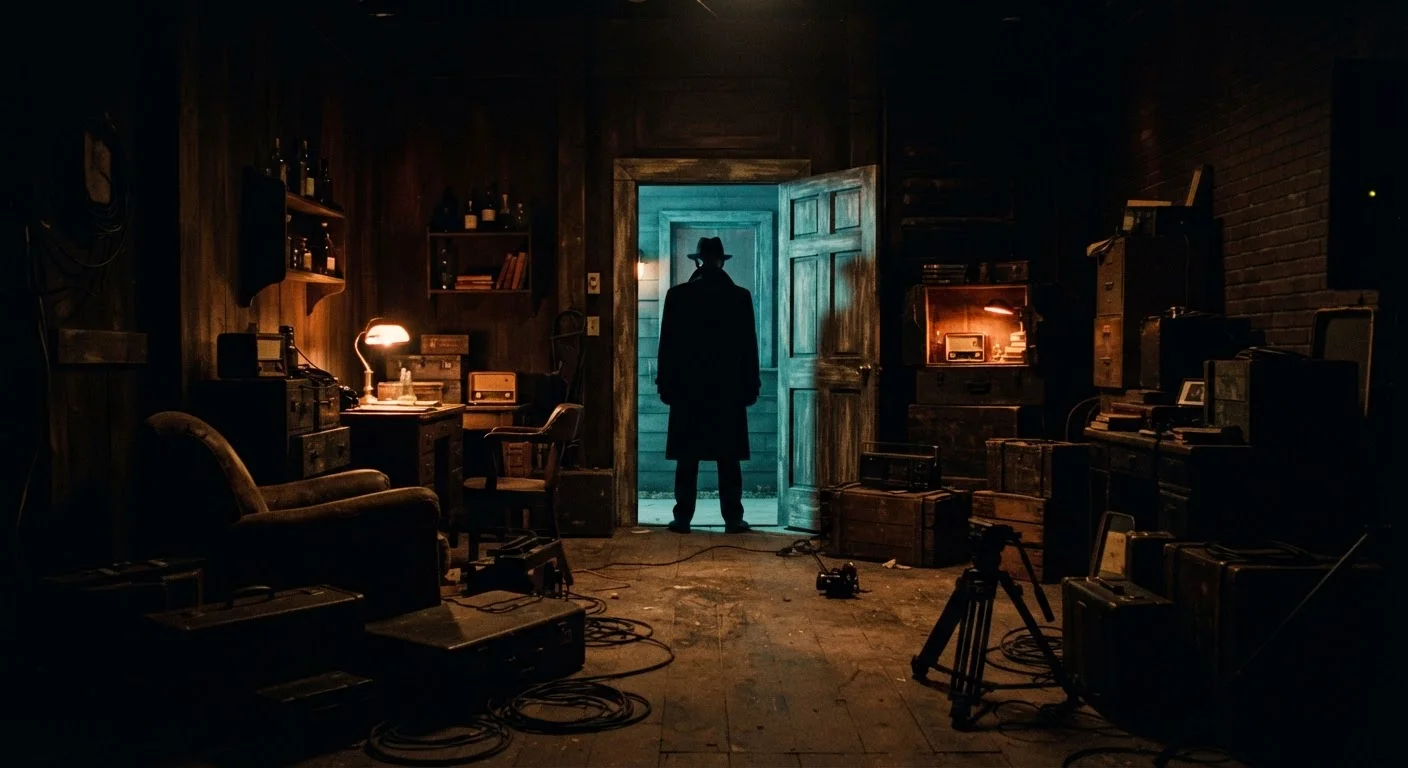
Photo credit: faqsnest.com
In this article
Set design, costume, blocking, and lighting all carry meaning. This guide explains how to decode what filmmakers place in front of the lens.
Key Takeaways
- Mise-en-scène refers to every visual element placed within the camera's frame by the filmmaker.
- Set design, costume, lighting, and blocking each carry distinct narrative and emotional meaning.
- Skilled directors use visual composition to communicate character, power, and theme without dialogue.
- Recognizing these elements transforms passive viewing into active, rewarding film analysis.
- Mise-en-scène works cumulatively — no single element operates in isolation from the others.
What Mise-en-Scène Actually Means
The phrase mise-en-scène (pronounced meez-ahn-SEN) comes from French theatrical tradition and translates literally as "placing on stage." When film theorists adopted it in the mid-twentieth century, they used it to describe everything a director and their collaborators deliberately position within the camera's frame: the set, the props, the costumes, the actors' positions, and the light that falls across all of it.
Understanding mise-en-scène is foundational to reading film critically. It is the visual layer of storytelling that operates continuously beneath dialogue and plot — often doing more emotional and thematic work than either. As a complement, our practical framework for deeper viewing introduces the broader vocabulary of film analysis, of which mise-en-scène is a central pillar.
Mise-en-scène
Everything placed within a film's frame by the director and production team — sets, lighting, costumes, props, and actor positioning — as a unified storytelling tool.
Blocking
The planned positioning and movement of actors within the frame, which communicates power, relationship, and dramatic emphasis.
High-key lighting
A lighting style with bright, even illumination and minimal shadows, often used to create a sense of openness, normalcy, or surface-level safety.
Low-key lighting
A lighting style emphasizing shadow and contrast, typically used to generate tension, moral ambiguity, or psychological unease.
Production design
The discipline responsible for the overall visual look of a film's sets, locations, and props, usually led by a production designer working closely with the director.
Composition
The deliberate arrangement of visual elements within the camera frame — including figures, objects, and space — to guide the viewer's eye and communicate meaning.
Set Design and Space: The Environment as Character
A film's environment is never neutral. Production designers make decisions about scale, texture, color, and clutter that communicate a character's psychology and social world before they utter a word. A cavernous, sparsely furnished room signals isolation or power — sometimes both simultaneously. A cramped, overloaded space suggests pressure, anxiety, or a life lived without room to breathe.
The relationship between characters and their environment is particularly telling. When a character appears physically dwarfed by their surroundings, the composition implies vulnerability or insignificance. When they command and fill the space, the opposite effect registers. Directors working in expressionist traditions — where the environment externalizes interior states — make this logic especially visible, but it operates even in naturalistic filmmaking.
Architecture and geography also orient the audience geographically and socially. A detailed period interior anchors the viewer historically; an ambiguous or stylized space unsettles temporal certainty. For a richer understanding of how global filmmakers have used space and setting as cultural expression, see world cinema movements that reshaped the art form.
Costume and Props: What Characters Carry and Wear
Costume is characterization made visible. The cut, color, and condition of clothing communicates class, era, personality, and psychological state — often in an instant. A character who is overdressed for their surroundings implies social aspiration or discomfort; one who is underdressed for their situation may signal disregard for social convention or a loss of status.
Props operate similarly. What a character chooses to hold, display, or conceal tells the audience something the script may never explicitly state. A worn photograph kept in a wallet, a gun handled with either precision or clumsiness, a room full of books or a room with none — each detail contributes to a cumulative portrait. Skilled production designers layer props with thematic resonance rather than merely dressing sets for plausibility.
Costume changes across a film's runtime can function as arc markers. A character who begins in muted, constrained clothing and ends in vivid, unrestrained dress has undergone a legible visual transformation — the narrative of their change written in fabric. For the specific role color plays in this kind of transformation, our guide to colour in cinema provides detailed analysis.
Lighting and Shadow: Shaping Mood Before Words
Lighting is among the most powerful and least consciously noticed elements of mise-en-scène for general audiences. Where light falls and where it is withheld determines what the viewer focuses on, how safe or threatening the space feels, and how legible or ambiguous a character's emotional state appears.
High-key lighting — bright, even illumination with few shadows — typically produces a feeling of openness, safety, or artificiality. Low-key lighting, which emphasizes shadow and pools of illumination against darkness, generates tension, moral ambiguity, and psychological complexity. This contrast is at the heart of film noir's visual identity, a tradition explored in depth in our film noir analysis.
Try the Freeze-Frame Test
Pause any film at a random moment before a character speaks and ask yourself what the image alone communicates about power, mood, and relationship. Directors working at the highest level of visual craft compose each frame to carry meaning independently of dialogue. Practicing this habit on even a single scene per film will rapidly accelerate your ability to read visual storytelling.
The direction of a light source also carries meaning. Light from below conventionally signals menace or the uncanny; light from above can imply surveillance, judgment, or — in softer form — spiritual elevation. Backlighting creates silhouette and mystery. These are not rigid codes, but recurring visual conventions that audiences absorb through repeated viewing.
Blocking and Composition: Where Bodies Are Placed
Blocking refers to the positioning and movement of actors within the frame. It is where the director's instructions to performers intersect directly with the camera's composition. Who stands in front of whom, who is centered and who is pushed to the margin, who moves freely and who is physically constrained — all of these choices communicate power, relationship, and dramatic tension.
The rule of thirds and other compositional principles from visual art inform how directors and cinematographers organize figures in the frame. A character placed at the center and in sharp focus commands audience attention; one placed at the periphery or in soft focus recedes. When two characters face each other in tight two-shot framing, the audience registers intimacy or confrontation; when they share a wide frame with space between them, distance — emotional or literal — is implied.
Symmetry deserves particular attention. Rigidly symmetrical compositions can suggest order, control, or a world constructed with deliberate artifice. Asymmetry and imbalance create unease or dynamism. These compositional signals work below the threshold of conscious analysis for most viewers, which is precisely what gives them their cumulative emotional force. To see how these ideas intersect with genre conventions and deliberate subversion, notice how genre films often use composition to meet or violate audience expectation.
How to Apply This When You Watch
The most effective way to internalize mise-en-scène analysis is to pause on individual frames. Freeze a scene before any dialogue begins and inventory what you can infer: Who appears to hold power in this space? What does the environment suggest about its inhabitants? What does the lighting withhold? Are there objects in the frame that seem to carry narrative weight?
With practice, this kind of reading becomes automatic during normal viewing rather than requiring deliberate interruption. You begin to notice when a director has placed a character in shadow at a moment of moral compromise, or when a costume shifts in a way that marks a turning point. You start experiencing film as a composed, intentional visual argument rather than a transparent window onto events.
Building this fluency also sharpens your ability to recognize when filmmakers break conventions purposefully — the kind of subversion discussed in our analysis of unreliable narration in film. Mise-en-scène is a language, and like any language, its most interesting moments are often when the rules are bent with intent. If you're building a viewing education that rewards this kind of attention, constructing a personal film canon offers a thoughtful framework for selecting the films most likely to repay close visual study.
Frequently Asked Questions

Author
Entertainment & Media Editorial Team
Entertainment & Media Editorial Team is the collective byline for our editorial team and contributor network. Articles published under this byline or an editorial pen name are researched, written, and reviewed according to our editorial standards for clarity, consistency, and independence before publication.
View all articles →