
Under the Bonnet: Eight Systems Worth Understanding as a Driver
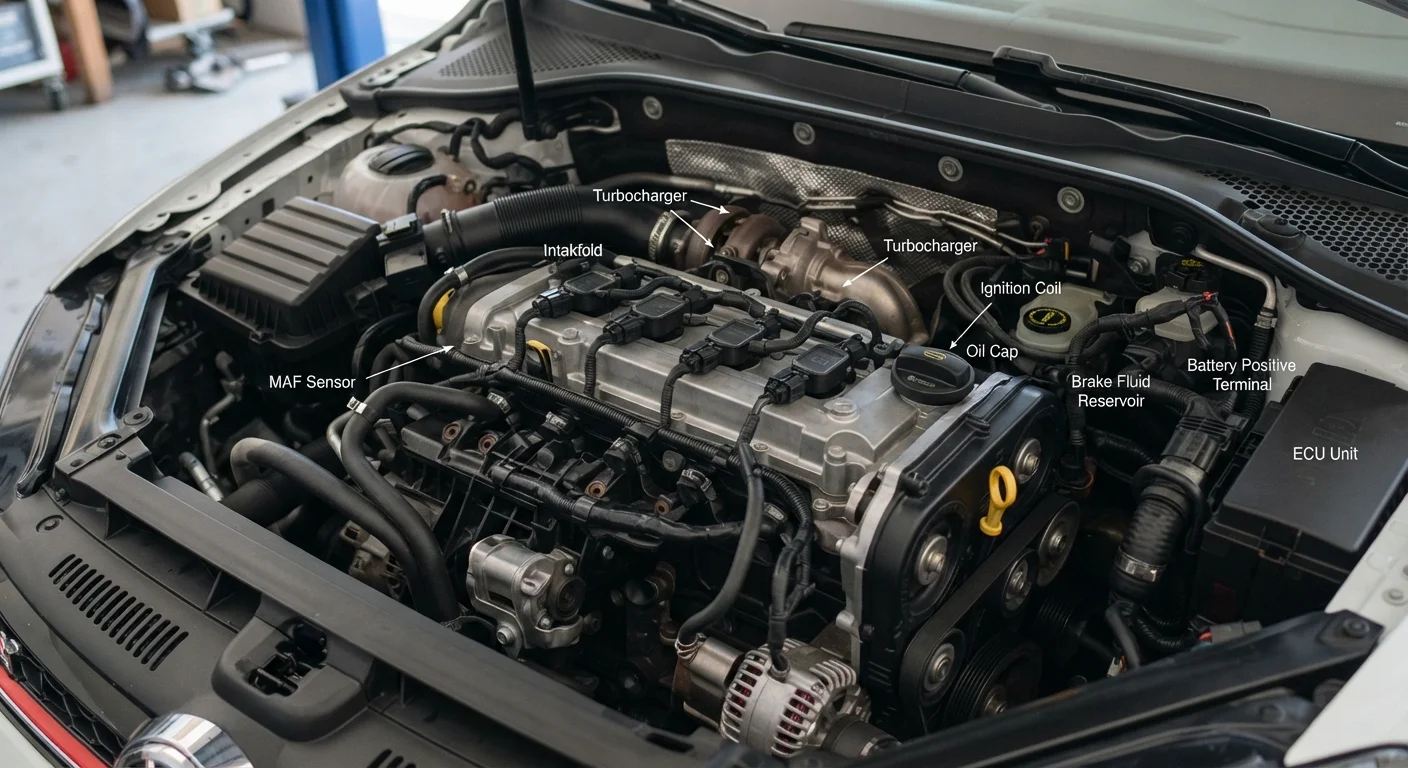
Photo credit: faqsnest.com
In this article
You don't need to be a mechanic, but knowing what these key systems do — and how they fail — makes you a more informed car owner.
Key Takeaways
- Understanding eight core vehicle systems helps you catch problems early and communicate clearly with mechanics.
- Most warning signs — unusual noises, warning lights, fluid leaks — point to one of these systems.
- You don't need to repair these systems yourself; knowing what they do is enough to be an informed owner.
- Regular checks on fluids, tyres, and battery condition prevent the majority of roadside breakdowns.
- Recognizing how systems interact helps you understand why one failing component can affect others.
Why System-Level Knowledge Pays Off
Most drivers never open the hood unless something's already gone wrong. That's understandable — modern cars are complex, and the engine bay can look like a maze of hoses and brackets with no obvious starting point. But you don't need to be a mechanic to benefit from a working understanding of what's under there.
Knowing what your car's major systems do — and the early signs that each one is struggling — means you're less likely to be caught off guard, less likely to be confused by a warning light, and better equipped to have a productive conversation when you do bring the car in for service. If you're new to car ownership, our first-time driver's maintenance grounding covers the foundational concepts alongside what follows here.
The eight systems below account for the vast majority of vehicle issues everyday drivers encounter. Each one is explained in plain terms, with a focus on what can go wrong and what to watch for.
The Engine (Internal Combustion)
The engine converts fuel into motion by burning a mixture of air and fuel inside cylinders. The resulting explosions push pistons down, turning the crankshaft and ultimately driving the wheels. Most passenger cars use a four-cylinder or six-cylinder arrangement.
Watch for: Loss of power, rough idling, excessive exhaust smoke, or a check engine light. Oil consumption above what your owner's manual considers normal can also indicate internal wear. Any of these warrant a professional inspection rather than a wait-and-see approach.
A check engine light is the engine's way of asking you to pay attention — don't ignore it.
The Cooling System
Engines generate enormous heat. The cooling system — made up of coolant (sometimes called antifreeze), a radiator, water pump, thermostat, and hoses — keeps operating temperatures within a safe range. Without it, an engine can overheat in minutes.
Watch for: The temperature gauge climbing toward the red zone, steam from the hood, a sweet smell from the engine bay (often coolant), or low coolant level in the reservoir. Overheating can cause serious and expensive engine damage quickly, so pull over safely if the gauge spikes.
Overheating can cause serious engine damage in minutes — don't drive through a temperature spike.
The Lubrication System
Engine oil coats moving metal parts to reduce friction and carry away heat. The oil pump circulates it continuously through channels in the engine block. Over time, oil breaks down and accumulates contaminants — which is why regular oil and filter changes matter.
Watch for: The oil pressure warning light (a red oil can symbol), a ticking or knocking sound from the engine, or oil that appears very dark and gritty on the dipstick. Check your oil level monthly — it's one of the simplest checks a driver can do.
A monthly oil level check takes two minutes and can prevent thousands of dollars in engine damage.
The Braking System
Most modern vehicles use disc brakes on all four wheels. Pressing the brake pedal forces hydraulic fluid through brake lines to calipers, which squeeze brake pads against rotating discs (rotors) to slow the car. Anti-lock braking system (ABS) prevents wheel lockup during hard stops.
Watch for: Squealing or grinding when braking, a pulsating pedal, longer stopping distances, or the brake warning light. Grinding usually means the pads have worn through — address it promptly, as worn pads can damage rotors and compromise stopping ability.
Grinding when you brake is a clear signal that worn pads are damaging your rotors — act quickly.
The Electrical and Battery System
The 12-volt battery starts the engine and powers electronics when the engine is off. Once running, the alternator recharges the battery and powers the car's electrical systems. A failing battery or alternator can leave you stranded without much warning.
Watch for: Slow engine cranking at startup, dimming headlights, the battery warning light, or electronics behaving erratically. Batteries typically last three to five years, though climate and usage patterns affect lifespan. If your car struggles to start in cold weather, have the battery load-tested.
Most batteries show signs of weakness before they fail — slow cranking is your early warning.
The Fuel System
The fuel system delivers gasoline or diesel from the tank to the engine at the correct pressure. Key components include the fuel pump, fuel filter, and fuel injectors. Injectors spray a precise mist of fuel into the combustion chamber; clogged injectors disrupt this and reduce efficiency.
Watch for: Difficulty starting, poor fuel economy, rough running, or hesitation when accelerating. A strong fuel smell inside or outside the car may indicate a leak and requires immediate professional attention — fuel leaks are a fire risk.
A fuel smell inside the cabin is not normal — it needs professional attention without delay.
The Transmission
The transmission manages how engine power is transferred to the drive wheels, shifting through gear ratios to match speed and load. Automatic transmissions do this without driver input; manual transmissions require clutch and gear-lever operation. Transmission fluid lubricates and cools the internal components.
Watch for: Slipping between gears, delayed engagement when shifting from park to drive, shuddering, or unusual whining noises. Reddish fluid spots under the car can indicate a transmission fluid leak. Transmission repairs are among the more costly jobs, making early detection valuable.
Slipping gears or delayed shifts are transmission warning signs that get more expensive the longer you wait.
The Tyre and Suspension System
Tyres are your car's only contact with the road, so their condition directly affects braking, cornering, and ride quality. The suspension system — springs, shock absorbers, and linkages — keeps the tyres in contact with the road surface and absorbs bumps. These two systems work together constantly.
Watch for: Uneven tyre wear (which can signal alignment or suspension problems), vibration through the steering wheel, pulling to one side, or a bouncy ride after hitting a bump. Tyre pressure should be checked monthly; under-inflated tyres wear faster and reduce fuel efficiency. For a full breakdown, see our guide to tyre maintenance from the ground up.
Uneven tyre wear is rarely just a tyre problem — it often points to alignment or suspension issues.
Putting It All Together
These eight systems don't operate in isolation. A cooling system failure puts stress on the engine. A weak battery makes the charging system work harder. Worn tyres reduce the effectiveness of your brakes. Thinking of your car as an interconnected set of systems — rather than a collection of independent parts — is what separates reactive owners from informed ones.
Keep a Simple Vehicle Log
A small notebook or phone note tracking fluid top-ups, warning lights, and any unusual sounds makes it much easier to spot patterns over time. When you visit a mechanic, that history helps them diagnose problems faster and gives you a clearer record of what's been done. It takes less than two minutes to update after each check.
When a warning light appears or something sounds off, the system knowledge above gives you a reasonable starting point for diagnosing what's involved before you speak to a mechanic. Our guide to reading a mechanic's report can help you follow what happens next. For a broader look at how vehicles work from power to electronics, see our ground-up vehicles guide. And when budget is a consideration, car maintenance on a budget helps you prioritise what matters most.

Author
Cars & Driving Editorial Team
Cars & Driving Editorial Team is the collective byline for our editorial team and contributor network. Articles published under this byline or an editorial pen name are researched, written, and reviewed according to our editorial standards for clarity, consistency, and independence before publication.
View all articles →