
Car Ownership and Maintenance: A First-Time Driver's Grounding
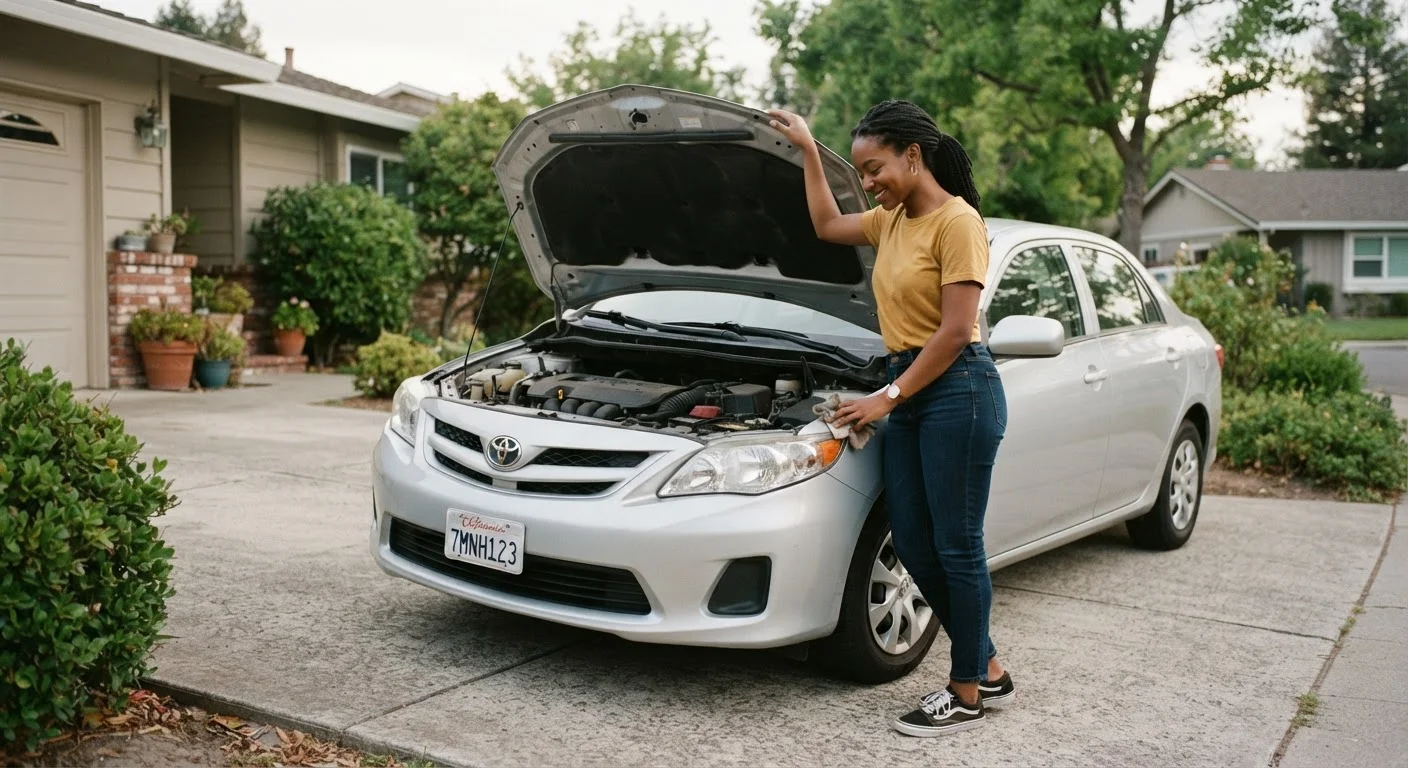
Photo credit: faqsnest.com
In this article
New to owning a car? This guide covers the essential maintenance concepts every first-time driver should understand from day one.
Key Takeaways
- Checking five key fluids on a regular schedule prevents the majority of common breakdowns.
- Tire pressure and tread depth affect both fuel economy and stopping distance significantly.
- Dashboard warning lights communicate specific problems — ignoring them usually makes repairs more expensive.
- A simple maintenance log helps you track service history and catch patterns early.
- Many routine checks take under five minutes and require no tools or mechanical experience.
Why Maintenance Knowledge Matters Right Away
Getting the keys to your first car is exciting. What's less exciting — but genuinely important — is understanding that a car is a machine that needs regular attention to stay safe and reliable. You don't need to be a mechanic. You do need to know enough to catch small problems before they become expensive ones.
Most roadside breakdowns are preventable. Low fluids, worn tires, and ignored warning lights are behind a large share of unexpected failures. The good news: the checks that prevent those failures are straightforward and take very little time once you know what to look for.
For a broader look at how your car's systems connect, see our introduction to core vehicle concepts. This guide focuses specifically on the hands-on maintenance habits that new owners benefit from building early.
Engine oil
A lubricant that coats and protects the metal components inside your engine, reducing friction and heat buildup. Without sufficient oil, engine parts wear rapidly and can fail.
Coolant
A liquid mixture (also called antifreeze) that circulates through the engine and radiator to regulate temperature, preventing both overheating in summer and freezing in winter.
Tire pressure (PSI)
The amount of air inside a tire, measured in pounds per square inch (PSI). Correct pressure affects ride quality, handling, fuel economy, and how long the tire lasts.
Tread depth
The measurement of the grooves on a tire's surface. These grooves channel water away and help the tire grip the road; worn-down tread reduces both functions.
OBD-II diagnostic code
A standardized error code stored by your car's onboard computer when a sensor detects a problem. A mechanic reads these codes with a scanner to identify what triggered the Check Engine light.
Tire rotation
Moving each tire to a different position on the vehicle — for example, swapping front and rear — so that all four tires wear at a similar rate and last longer overall.
The Fluids You Need to Monitor
Your car depends on several fluids to protect its components and keep everything moving correctly. Running low on any of them — even briefly — can cause lasting damage.
- Engine oil lubricates moving metal parts and prevents friction-related wear. Check it with the dipstick under the hood when the engine is cool. The oil should appear amber to dark brown and sit between the MIN and MAX marks. Black, gritty oil is overdue for a change.
- Coolant (antifreeze) regulates engine temperature and prevents freezing in winter. Check the overflow reservoir — typically a translucent plastic tank — against the marked level lines. Never open the radiator cap on a hot engine.
- Brake fluid transfers force from your pedal to the brakes. It lives in a small reservoir near the firewall. If it's consistently low, that signals a leak that needs professional attention, not just a top-up.
- Power steering fluid (on vehicles with hydraulic steering) helps the steering feel light and responsive. Many modern cars use electric power steering and have no fluid to check.
- Windshield washer fluid is the one fluid you can safely top off yourself without concern. Keep it full — visibility is a safety issue.
Your owner's manual lists check intervals for each fluid. If you don't have a physical copy, most manufacturers offer a digital version online. For more on what these systems do under the hood, our guide to key vehicle systems goes deeper.
Tires: Your Car's Only Contact with the Road
Every bit of acceleration, braking, and steering goes through four palm-sized tire contact patches. Tire condition directly affects how safely your car handles — especially in wet or emergency situations.
Tire pressure is the most frequently neglected check. Under-inflated tires wear unevenly, reduce fuel economy, and can overheat at highway speeds. Over-inflated tires reduce grip and ride quality. Check pressure monthly and before long trips using an inexpensive gauge. The correct pressure for your vehicle is printed on the sticker inside the driver's door jamb.
Tread depth determines how well your tires channel water and grip the road. The legal minimum in most U.S. states is 2/32 of an inch, but tire performance degrades noticeably before that point. A quick test: insert a penny into a tread groove with Lincoln's head facing down. If you can see the top of his head, the tire is worn and should be replaced.
Tire rotation extends overall tire life by distributing wear more evenly across all four tires. Most manufacturers recommend rotating tires every 5,000 to 7,500 miles — often aligned with oil changes to keep it simple.
Also inspect tires visually for sidewall bulges, cracks, or embedded objects. Any of those warrant a visit to a tire shop before your next drive.
Understanding Dashboard Warning Lights
Your dashboard is designed to communicate with you. Warning lights use a color system: red signals an immediate concern, yellow or amber means something needs attention soon, and green or blue lights are simply status indicators (like high beams being on).
Common lights new drivers should know:
- Oil pressure warning (red oil can icon) — Stop driving as soon as it is safe. Low oil pressure can destroy an engine within minutes.
- Engine temperature (red thermometer) — Pull over safely and let the engine cool. Continuing to drive an overheating engine causes severe damage.
- Battery (red battery icon) — The charging system isn't working properly. You may have limited driving time before the car stalls.
- Check Engine (amber engine outline) — This light covers a wide range of issues from a loose gas cap to sensor faults. A mechanic can read the stored diagnostic code with a scanner to identify the cause.
- Tire Pressure Monitoring System / TPMS (amber tire icon) — One or more tires are significantly under-inflated. Check pressure before continuing.
- Brake warning (red exclamation in circle) — Could indicate the parking brake is engaged, or that brake fluid is low. Verify which before driving.
Ignoring warning lights rarely makes the underlying problem go away — it usually makes it worse and more expensive. When in doubt, have the vehicle checked by a qualified mechanic.
Building a Basic Maintenance Routine
Maintenance feels overwhelming until it becomes habit. The simplest approach is to tie checks to things you already do regularly.
Monthly: Check tire pressure, engine oil level, and all fluid reservoirs. Do a quick walk-around to look for any tire damage or obvious fluid drips under the car.
Every 3,000–5,000 miles (or per your manual): Change engine oil and filter if using conventional oil. Many modern vehicles using synthetic oil can go longer — follow your specific manual, not general rules of thumb.
Every 6 months or at each oil change: Rotate tires, inspect wiper blades, test all exterior lights (headlights, taillights, brake lights, turn signals), and check the cabin air filter.
Annually or per manufacturer schedule: Inspect brake pads and rotors, check battery terminals for corrosion, and review coolant and transmission fluid condition.
Keep a simple log — a notebook in the glove box or a note on your phone works fine. Record the date, mileage, and what was checked or serviced. This log is useful when a mechanic asks about service history and can reveal patterns like a fluid that keeps dropping.
If your budget is a factor, our guide to prioritizing maintenance when money is tight can help you decide what's most critical. And once you're comfortable with these basics, learning more about what each system does will help you have better conversations with mechanics and catch problems earlier.
Owning a car is a long-term commitment. Building these habits early keeps costs predictable, extends your vehicle's life, and — most importantly — keeps you and other road users safer.
Frequently Asked Questions

Author
Cars & Driving Editorial Team
Cars & Driving Editorial Team is the collective byline for our editorial team and contributor network. Articles published under this byline or an editorial pen name are researched, written, and reviewed according to our editorial standards for clarity, consistency, and independence before publication.
View all articles →