
The Seasonal Car Maintenance Checklist Every Driver Should Keep
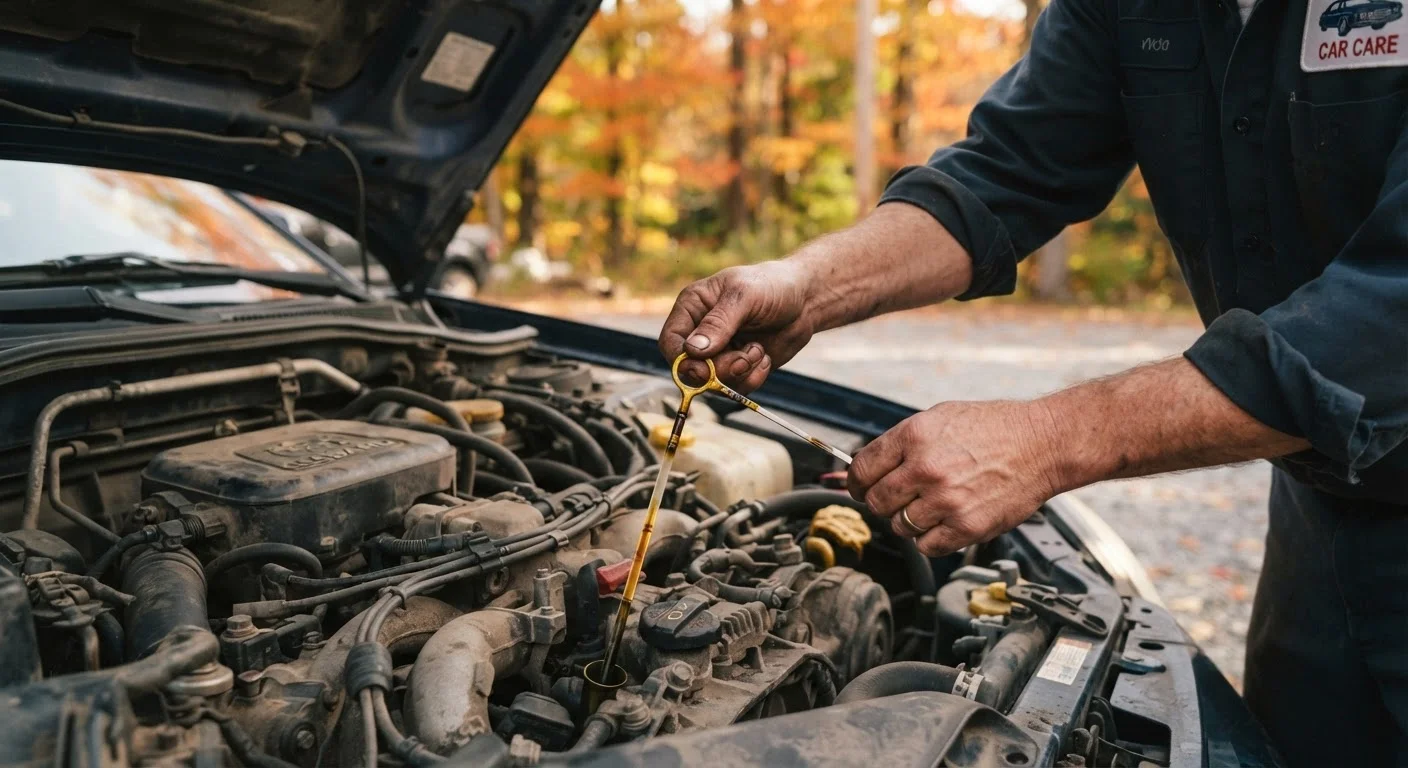
Photo credit: faqsnest.com
In this article
A structured checklist covering the key checks and tasks to carry out as the seasons change — before problems catch you off guard.
Key Takeaways
- Seasonal checks catch small problems before they become expensive repairs.
- Most items on this checklist require no special tools — just attentiveness.
- Tires, fluids, lights, and battery health are priority checks at every season change.
- Some tasks are safe DIY; others should always go to a qualified mechanic.
- Keeping a record of what you checked and when builds a valuable service history.
Why Seasonal Checks Make Sense
Your car faces a different set of demands in January than it does in July. Temperature swings affect tire pressure, battery output, fluid viscosity, and brake performance. Dust, rain, road salt, and UV exposure each take their toll in different ways depending on the time of year. Running the same vehicle through those extremes without any adjustment is a reliable way to end up stranded — or facing a repair bill that could have been avoided.
The good news is that most seasonal checks don't require a lift, a diagnostic scanner, or a degree in engineering. What they do require is consistency. Setting a habit of reviewing your car four times a year — roughly aligned with the seasons — gives you a structured window to catch developing problems while they're still small.
If you're new to car ownership, our first-time driver's maintenance guide is a helpful starting point before you work through this checklist. And if budget is a concern, knowing which tasks to prioritize can help you make smarter decisions with limited funds.
Work through the checklist below once per season. Note what you find, flag anything that needs attention, and log it — even a simple note in your phone counts as a record. See our guide on keeping a car service history for why that paper trail pays off over time.
What You'll Need
Most of these checks are visual or tactile — you're looking, feeling, and comparing against known baselines. A few basic items make the process easier and safer.
Tire pressure gauge
Accurately check inflation levels in all four tires and the spare.
Flashlight or work light
Inspect under the hood and beneath the vehicle in low-light conditions.
Tread depth gauge
Measure remaining tire tread to determine if replacement is approaching.
Owner's manual
Reference for fluid specs, tire pressure targets, and service intervals specific to your vehicle.
Clean cloth or paper towels
Wipe dipsticks and check fluid levels cleanly.
Battery load tester
Test battery health under real-world load conditions, especially before winter.
The Seasonal Maintenance Checklist
The items below are grouped by system. Work through each group in order, and make a note of anything outside the normal range. If you're unsure whether something you find is a problem, err toward having a qualified mechanic take a look — especially for anything related to brakes, steering, or suspension.
Tires
Fluids
Battery and Electrical
Brakes and Steering
Wipers, Filters, and Visibility
Under the Hood — General
Brake and Suspension Concerns: See a Mechanic
If any brake or steering check raises a concern — unusual noises, pulling, vibration, or a spongy brake pedal — do not delay having it assessed by a qualified mechanic. These systems are directly tied to your ability to control the vehicle in an emergency. This checklist is for general awareness only and is not a substitute for a professional inspection of safety-critical components.
For a related perspective on how small skipped items compound into larger ones, see why skipping small repairs tends to create bigger ones.
Season-Specific Priorities at a Glance
Fall and Winter
Battery performance drops significantly in cold weather. Have the battery load-tested before temperatures fall below freezing if it's more than three years old. Switch to winter-rated washer fluid that won't freeze in the reservoir or on the glass. Check that your antifreeze (coolant) mixture is appropriate for your climate — a 50/50 mix of coolant and distilled water protects most vehicles to around -34°F, but your owner's manual will have the exact specification. If your area sees snow or ice, this is also the time to assess whether all-season tires are still adequate or whether dedicated winter tires make sense for your situation.
Spring and Summer
Spring is recovery season — check for any corrosion from road salt, inspect brake components that may have suffered from winter moisture, and replace wiper blades worn down by ice and snow. As temperatures rise into summer, air conditioning performance becomes safety-relevant on long drives. Check the cabin air filter, which affects both A/C efficiency and air quality inside the vehicle. Tire pressure rises roughly 1 PSI for every 10°F increase in ambient temperature, so recheck inflation after a significant warm-up.
If summer means a long road trip, run through our road trip readiness checklist before you head out. Many of the items overlap with seasonal maintenance — completing both means you'll leave with genuine confidence rather than hopeful optimism.

Author
Cars & Driving Editorial Team
Cars & Driving Editorial Team is the collective byline for our editorial team and contributor network. Articles published under this byline or an editorial pen name are researched, written, and reviewed according to our editorial standards for clarity, consistency, and independence before publication.
View all articles →