
Keeping a Car Service History: Why the Paper Trail Matters
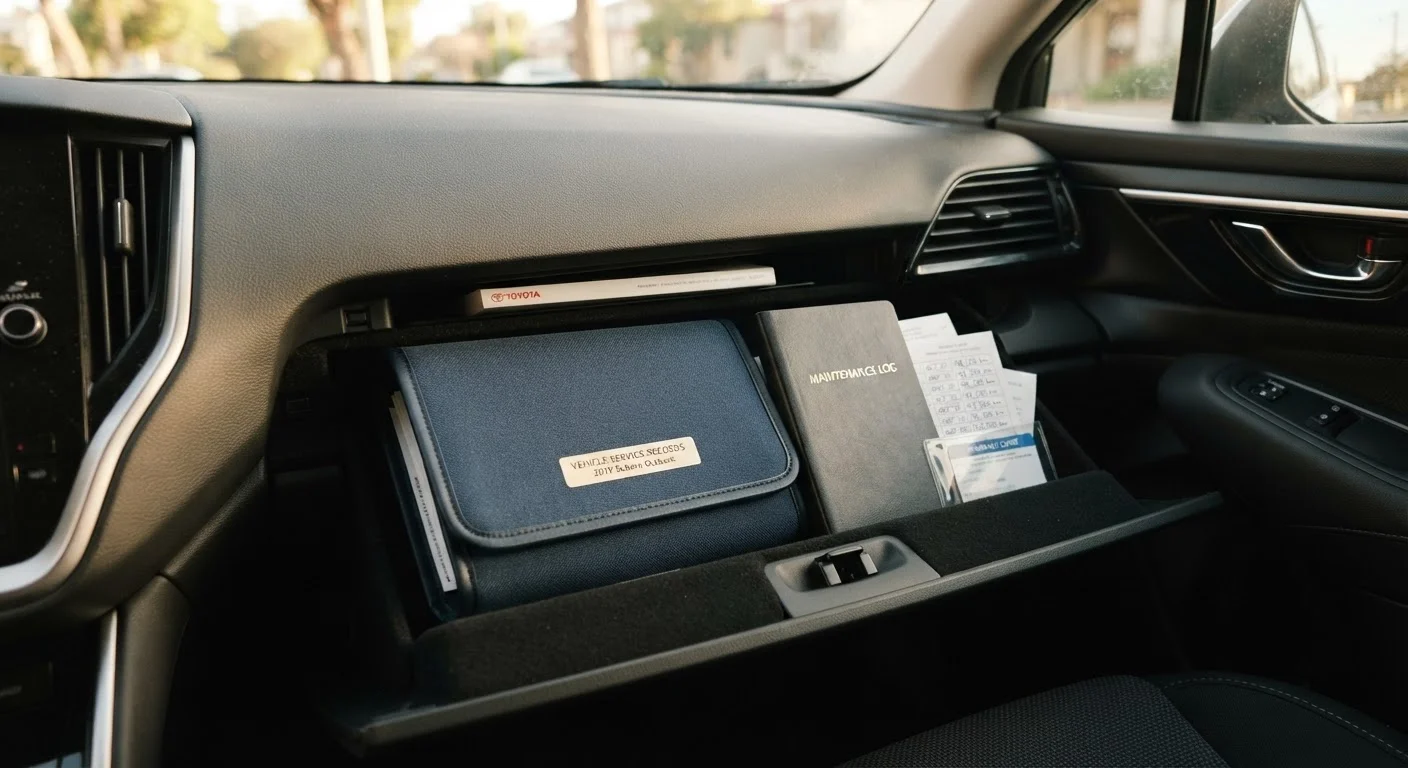
Photo credit: faqsnest.com
In this article
What belongs in a vehicle service record, why gaps raise red flags, and how a well-kept history tells the story of a car's health.
Key Takeaways
- A service history documents every oil change, repair, and inspection with dates and mileage.
- Gaps in records raise legitimate concerns about hidden neglect or undisclosed repairs.
- A well-kept history can meaningfully influence a vehicle's resale value and buyer confidence.
- Digital records are increasingly accepted, but physical stamps and receipts still carry weight.
- You can build a service history retroactively by gathering receipts and contacting past shops.
What a Service History Actually Contains
A service history isn't one single document — it's a collection of records that together tell the story of how a vehicle has been maintained. At its core, it should capture three pieces of information for each visit or task: when the work was done (date), how far the car had traveled at that point (odometer reading), and what was actually done or replaced.
Common entries include:
- Engine oil and filter changes
- Tire rotations and wheel alignments
- Brake pad and rotor inspections or replacements
- Coolant, transmission fluid, and brake fluid changes
- Timing belt or chain service
- Air filter replacements
- State safety and emissions inspections
- Any unscheduled repairs — from a coolant leak to a failed sensor
If you want to understand how these tasks fit into a broader maintenance rhythm, the seasonal car maintenance checklist is a useful companion reference.
Why Gaps in the Record Raise Red Flags
A complete history builds trust. A patchy one invites questions. When a record jumps from 40,000 miles to 85,000 miles with nothing in between, a knowledgeable buyer or mechanic will wonder what was skipped — or worse, what went wrong and went unrecorded.
Gaps don't always signal neglect. Owners sometimes lose paperwork, change shops, or do their own maintenance without keeping receipts. But from the outside, a gap looks the same whether it's innocent or not, and that ambiguity works against you when it's time to sell.
Gaps Aren't Always the Owner's Fault
Sometimes records are lost in a move, a shop closes without transferring records, or a previous owner simply didn't know to keep them. If you're buying a used vehicle with incomplete history, request a vehicle history report and ask a trusted mechanic for a thorough pre-purchase inspection. That inspection becomes the documented starting point for your own records going forward.
It's also worth separating real maintenance knowledge from long-running myths. For example, some owners believe skipping a single oil change is catastrophic, while others assume extending service intervals is always fine. The car maintenance myths article helps clarify what actually matters versus what's been exaggerated over the years.
The Resale Value Connection
When a private seller or dealer prices a used vehicle, service history is one of the first things an informed buyer asks about. A well-documented car tells the buyer that wear was managed proactively — fluids changed, brakes not run into the ground, timing belt replaced on schedule.
That confidence has real monetary value. While it's difficult to assign a universal dollar figure to a service history (every transaction is different), vehicles with complete, verifiable records consistently attract more interest and support stronger asking prices than equivalent vehicles with no documentation.
For first-time owners who may not yet have thought about resale, the first-time driver's grounding guide offers a clear overview of why habits formed early in ownership shape outcomes later.
How to Keep Records Without Overcomplicating It
You don't need a filing cabinet or specialized software. A simple approach is often the most sustainable one:
- Keep a dedicated envelope or folder in the car or at home for all service receipts and inspection reports.
- Note the mileage on every receipt if the shop doesn't record it automatically.
- Photograph receipts immediately — thermal paper fades, and a photo takes two seconds.
- Log DIY work with a handwritten note: the date, mileage, what you replaced, and the part brand or specification. A simple notebook works fine.
For people who want a more structured approach to tracking vehicle upkeep, it's worth understanding the debate around service intervals. The pros and cons of extended service intervals explains why the right interval for your car isn't always the one printed on a generic sticker.
After a service, it also helps to be able to read what you've been given. If mechanic reports feel like a foreign language, reading a mechanic's report without feeling lost walks through the common terminology in plain terms.
Paper, Digital, or Both?
The classic service booklet — stamped by a dealer or workshop at each visit — remains the most widely recognized format, particularly for older vehicles where buyers expect to see a physical booklet. But digital records are increasingly treated as equivalent, especially for newer cars where apps, dealer portals, and emailed invoices are standard.
A practical approach is to maintain both: keep physical receipts, and back them up digitally. If you ever lose the folder, the photos and email records survive. If a buyer wants something tangible, you have that too.
The broader point is consistency. Whether paper or digital, a record that shows regular, interval-appropriate maintenance at documented mileage points is what creates a credible, trustworthy history. For more on how vehicle knowledge fits together, the Understanding Vehicles hub covers how cars work from the ground up.
Frequently Asked Questions

Author
Cars & Driving Editorial Team
Cars & Driving Editorial Team is the collective byline for our editorial team and contributor network. Articles published under this byline or an editorial pen name are researched, written, and reviewed according to our editorial standards for clarity, consistency, and independence before publication.
View all articles →