
DIY Car Maintenance vs. Leaving It to a Mechanic
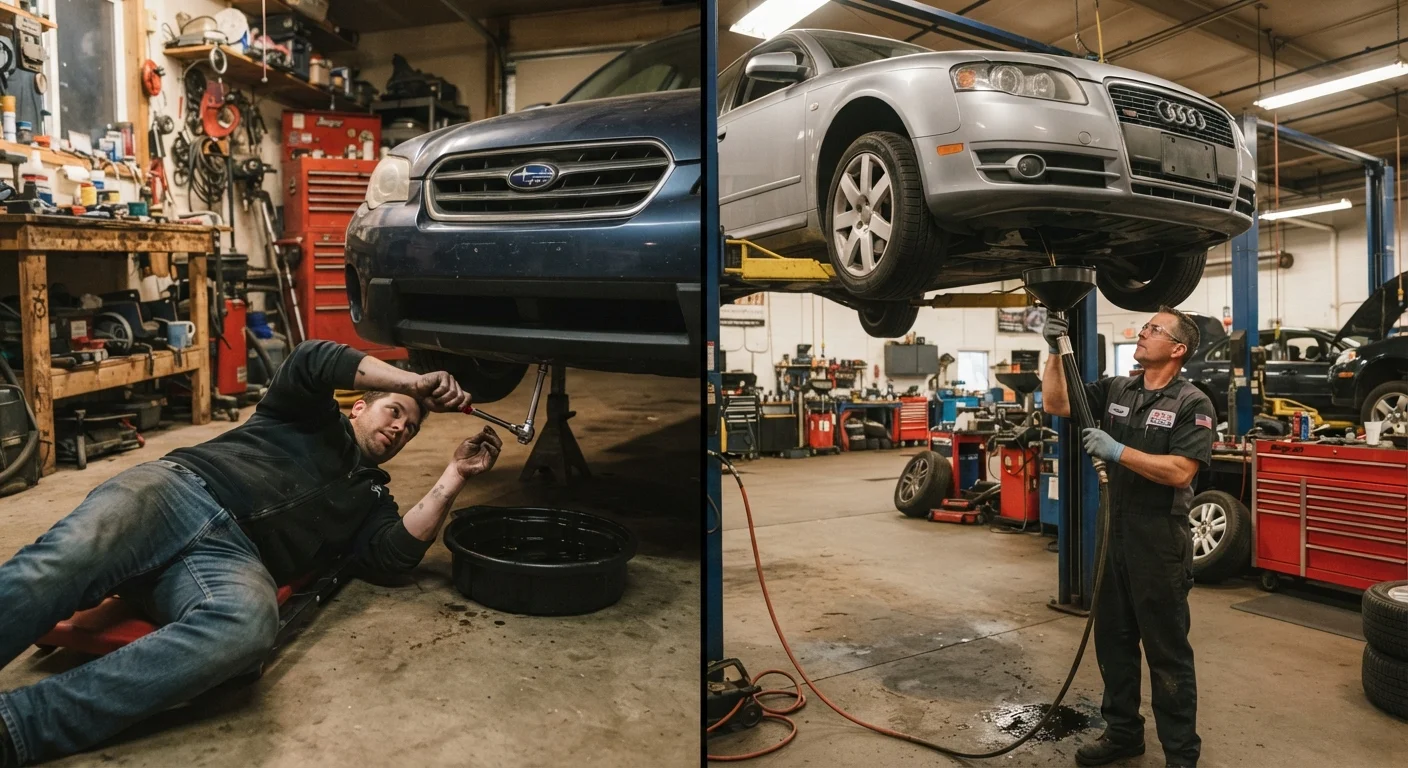
Photo credit: faqsnest.com
In this article
Some jobs are straightforward for a careful home mechanic; others genuinely warrant a professional. Here's how to tell the difference.
Key Takeaways
- Several routine maintenance tasks are genuinely manageable for careful home mechanics with basic tools.
- Other jobs involve safety systems, specialized equipment, or diagnostic complexity that warrants a professional.
- Cost savings from DIY can be real, but mistakes on the wrong job can cost significantly more to fix.
- Understanding your car's systems helps you make smarter decisions about what to attempt yourself.
- When in doubt, a second opinion from a trusted mechanic is always worth the consultation.
Why This Decision Matters More Than You Might Think
Every car owner eventually faces the same question: is this something I can handle myself, or do I need to call a shop? The answer shapes both your wallet and your safety. Done right, DIY maintenance can save hundreds of dollars a year on labor costs and give you a better understanding of how your vehicle works. Done wrong, it can turn a minor issue into a serious — and expensive — problem.
This isn't about whether you're handy. It's about matching the right approach to the right task. To do that well, it helps to understand your car's key systems well enough to know what you're actually dealing with before you pick up a wrench.
Jobs Most Home Mechanics Can Handle
Some maintenance tasks have a low margin for error and don't require specialized tools or training. These are generally safe candidates for DIY:
- Engine air filter replacement: Typically involves unclipping a housing, swapping the filter, and resealing it. No tools required on most vehicles.
- Windshield wiper blades: Straightforward to swap, with clear instructions on packaging and in your owner's manual.
- Cabin air filter: Usually accessible behind the glove box. Your owner's manual will show the location.
- Checking and topping off fluids: Coolant, washer fluid, and power steering fluid reservoirs are labeled under the hood. Note that adding the wrong fluid to the wrong reservoir is a real risk — always verify before pouring.
- Oil changes: Manageable with basic tools and the right oil and filter for your vehicle, though it requires safely lifting and supporting the car. If you're not confident doing this safely, a shop oil change is inexpensive enough to justify handing it off.
- Battery terminal cleaning or replacement: A corroded battery terminal is simple to clean with baking soda and water. Full battery replacement is also straightforward on most vehicles.
| DIY Maintenance | Professional Mechanic | |
|---|---|---|
| Typical cost | Parts cost only; tool investment upfront | Parts plus labor; can add up quickly |
| Skill required | Low to moderate for routine tasks | High; trained for complex diagnostics |
| Tools needed | Basic hand tools for most simple jobs | Specialized equipment for many tasks |
| Safety risk (if done incorrectly) | Low on routine tasks; high on safety systems | Minimized by training and accountability |
| Time investment | Higher, especially first time | Faster due to experience and equipment |
| Warranty implications | May affect coverage on some vehicles | Typically preserves warranty terms |
| Best suited for | Filters, fluids, wipers, battery | Brakes, suspension, timing, airbags |
If you're watching your budget, our guide on car maintenance priorities when money is tight can help you decide which tasks to focus on first.
Jobs That Belong in a Professional Shop
Other jobs are a different matter entirely. These are tasks where the risks — to your safety, to other road users, or to your vehicle — are high enough that professional service is the responsible call:
- Brake system work: Brake pads, rotors, calipers, and brake lines directly affect stopping ability. An error here is not a minor inconvenience — it's a safety hazard. Even experienced DIYers often leave brake hydraulics to professionals.
- Suspension and steering components: Misaligned or improperly installed parts create unpredictable handling. Many of these jobs also require alignment equipment that no home garage has.
- Timing belt or timing chain replacement: Doing this job wrong can destroy an engine. The procedure is complex, the tolerances are tight, and the cost of an error is enormous.
- Transmission service or repair: Automatic transmissions are among the most complex systems in a modern vehicle. Fluid changes are sometimes DIY-able, but anything beyond that typically requires specialized tools and expertise.
- Airbag and SRS (supplemental restraint system) work: Airbag systems carry stored electrical charge and are extremely dangerous to work on without proper training. Leave these strictly to professionals.
- Emissions system repairs: Tampering with emissions controls — even inadvertently — can be illegal and will cause your vehicle to fail inspection. Professional diagnosis is the right starting point.
It's also worth noting that delaying repairs on these systems rarely saves money. Small brake or suspension issues tend to compound quickly.
The Gray Area: Tasks Where It Depends
Some jobs fall squarely in the middle. Spark plug replacement, for example, is straightforward on older vehicles with easy engine access — but on some modern engines, the plugs are deeply buried and getting to them requires removing multiple components. Similarly, replacing a thermostat is simple on some engines and a significant job on others.
Before attempting any task in this category, look up the specific procedure for your year, make, and model. Online forums and repair databases (many available for free through public libraries) can give you a realistic picture of what's involved. If the procedure requires more disassembly than you're comfortable with, or calls for tools you don't have and can't borrow, that's useful information — not a personal failing.
Test Your Assumptions Before You Start
Before beginning any unfamiliar job, watch the full procedure on video for your specific vehicle — not just the general concept. If the video reveals steps that seem unclear or tools you don't recognize, that's a sign to reconsider. A short consultation with a mechanic before you start is far cheaper than fixing a mistake after the fact.
When you do visit a shop, being able to read and understand the mechanic's report helps you ask better questions and make more informed decisions about what to approve.
Honest Cost-Benefit Thinking
The financial case for DIY is real but not unlimited. Labor is genuinely the largest cost in most shop bills, so tasks with high labor charges and simple procedures offer the best DIY return. But factor in tool costs — a torque wrench, jack stands, and a drain pan are one-time purchases, but specialty tools for a single job rarely pay off.
Also consider your time. A job that takes a skilled mechanic 30 minutes might take a first-time DIYer three hours, factoring in research, mistakes, and trips to the parts store. That's not an argument against learning — it's an argument for being realistic about the trade-off. The same logic applies in other areas of home upkeep; as our DIY home improvement overview explores, knowing when to hand a job off is itself a skill.
Finally, check your vehicle's warranty terms. Some new-vehicle warranties require that certain services be performed by a certified technician to remain valid. DIY oil changes are generally fine, but it's worth confirming before you start.

Author
Cars & Driving Editorial Team
Cars & Driving Editorial Team is the collective byline for our editorial team and contributor network. Articles published under this byline or an editorial pen name are researched, written, and reviewed according to our editorial standards for clarity, consistency, and independence before publication.
View all articles →