
Gentle Movement Practices Worth Knowing About
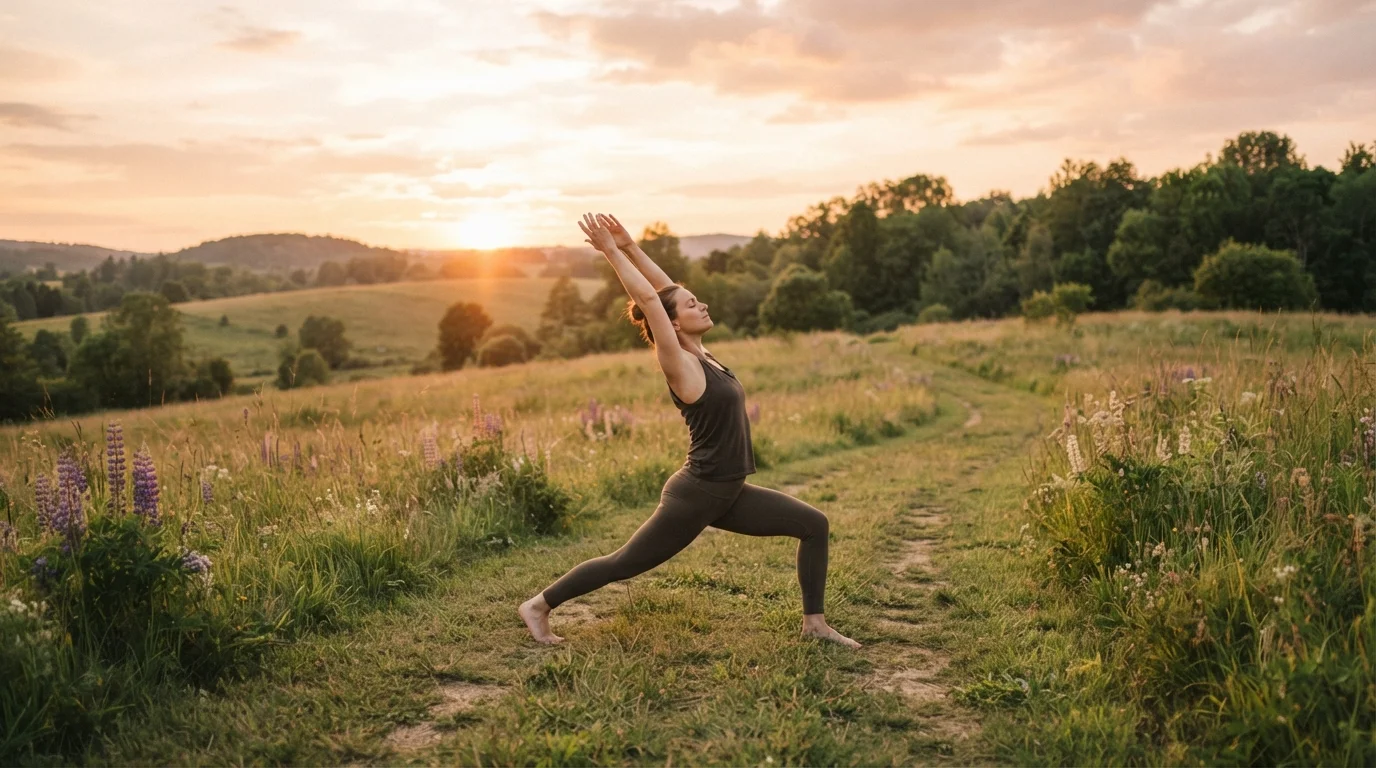
Photo credit: faqsnest.com
From walking and stretching to yoga and tai chi — an overview of low-intensity movement options and what each tends to offer for everyday wellbeing.
Key Takeaways
- Gentle movement doesn't require a gym — walking, stretching, and yoga all count as beneficial physical activity.
- Different low-intensity practices offer different benefits, from joint mobility and balance to stress reduction.
- Consistency matters more than intensity; short daily sessions tend to outperform occasional intense efforts.
- Many gentle movement forms double as mindfulness practices, supporting both mental and physical wellbeing.
- Always consult a healthcare professional before starting any new movement routine if you have existing health conditions.
Why Gentle Movement Deserves a Spot in Your Routine
Physical activity doesn't have to be intense to be effective. A growing body of research supports the idea that low-intensity, consistent movement contributes meaningfully to cardiovascular health, joint function, mood regulation, and overall quality of life. For anyone navigating a packed schedule, chronic fatigue, or recovery from injury, gentle movement practices offer an accessible entry point that doesn't demand athletic ability or a large time commitment.
These practices also tend to be sustainable. High-intensity routines are harder to maintain over months and years; gentle movement is far easier to keep doing. As part of the broader picture of balanced daily living, physical movement works alongside sleep, nutrition, and mental wellbeing — not in isolation from them.
Below are six well-established gentle movement practices, what each tends to offer, and how they differ from one another so you can figure out which might fit your life.
Walking
Walking is the most accessible form of gentle movement available to most people. It requires no equipment, no instruction, and can be done almost anywhere. Regular brisk walking has been associated with reduced risk of cardiovascular disease, improved mood, and better blood sugar regulation, according to general public health guidance from bodies like the CDC and WHO.
Even short walks — 10 to 15 minutes after a meal, for example — can help with digestion and energy levels. The key is making it a consistent habit rather than an occasional effort. Walking also pairs naturally with mindfulness; paying attention to your surroundings rather than a screen can make even a brief walk genuinely restorative. For more on the distinction between passive rest and active movement like walking, see active recovery vs. passive rest.
Even short, consistent walks deliver measurable cardiovascular and mood benefits over time.
Stretching and Flexibility Work
Dedicated stretching — holding static stretches for 20–30 seconds, or moving through dynamic mobility sequences — supports joint range of motion, reduces muscular tension, and can help offset the stiffness that comes from prolonged sitting. It's particularly useful first thing in the morning or at the end of a workday.
Stretching is often overlooked as a standalone practice because it doesn't raise the heart rate, but its benefits for posture, injury prevention, and physical comfort are well-documented. It's also easy to start: a 10-minute stretching routine targeting the hips, back, shoulders, and neck covers most of the areas most people hold tension.
A focused 10-minute stretching session can meaningfully reduce daily tension and improve posture.
Yoga
Yoga combines physical postures, breathwork, and — depending on the style — meditation or mindfulness elements. For general wellness, styles like Hatha, Yin, and Restorative yoga are particularly gentle and well-suited to beginners or people with limited mobility. Vinyasa and Ashtanga styles are more physically demanding and may not qualify as low-intensity for all bodies.
Research suggests yoga may help reduce perceived stress, improve flexibility and balance, and support sleep quality, though individual results vary. One of yoga's practical advantages is the breadth of free and low-cost instruction available online, making it feasible to try different styles without committing to a class. Yoga's mindfulness dimension also complements what's discussed in mindfulness vs. meditation in daily practice.
Gentle yoga styles offer a rare combination of flexibility training, breathwork, and stress relief in one session.
Tai Chi
Tai chi is a Chinese martial art practiced for health as a slow, flowing sequence of movements coordinated with deep breathing. It is widely studied for its benefits in older adults, particularly around balance, fall prevention, and cognitive engagement, but it is suitable and beneficial at any age.
A session typically lasts 20–45 minutes and involves no impact, making it safe for people with joint issues or those returning to movement after a long break. Learning tai chi does generally require instruction — either in-person classes or structured video instruction — since the sequences are specific. Community centers and senior centers often offer low-cost or free classes.
Tai chi's slow, controlled movements make it one of the most joint-friendly practices available.
Swimming and Water-Based Movement
Water supports body weight, dramatically reducing the load on joints during movement. Swimming laps, water walking, or aqua aerobics are all forms of gentle-to-moderate exercise that can provide cardiovascular benefit and full-body muscle engagement without the impact stress of land-based activity.
These options are particularly valuable for people with arthritis, lower back pain, or recovering from orthopedic injuries — though, as always, anyone with such conditions should confirm with a healthcare provider what level of activity is appropriate for them. Pool access is the main barrier; community recreation centers often offer affordable memberships or drop-in rates.
Water-based movement is among the lowest-impact options for cardiovascular exercise and muscle engagement.
Qigong
Qigong (pronounced chee-gung) is a Chinese mind-body practice involving slow, repeated movements, breath regulation, and focused attention. It shares some similarities with tai chi but tends to involve simpler, more repetitive sequences that are easier to learn independently. Many forms can be practiced seated or standing, making it adaptable for different ability levels.
Qigong is used in both traditional Chinese medicine and increasingly in integrative health settings, where some research suggests it may support stress reduction and general wellbeing — though the evidence base is still developing. Like yoga, it has a significant mindfulness component, and many practitioners find it provides a calming effect that extends well beyond the practice itself. It fits well within the broader balanced living framework this site covers.
Qigong's simple, repeatable movements make it one of the most adaptable practices for all fitness levels.
Choosing What Works for You
None of these practices requires you to commit to just one. Many people find that combining two — say, daily walking plus a twice-weekly yoga session — gives them both the cardiovascular benefits of sustained movement and the flexibility and stress-relief benefits of a structured practice. The goal is regularity, not perfection.
Start with just one practice
Trying to adopt multiple new movement habits at once is a reliable way to sustain none of them. Pick the one practice on this list that feels most accessible to you right now and aim for three sessions per week before adding anything else. Once it feels routine — not like effort — you can layer in a second practice.
If you're managing a health condition, recovering from surgery, or are pregnant, speak with your doctor or a qualified physiotherapist before beginning any new movement practice. That applies to every option on this list, even those that feel low-risk. For a broader view of how movement fits into daily self-care, the Daily Wellness Habits overview is a useful companion resource. You might also find it worthwhile to check in periodically using a weekly wellness self-assessment to notice whether your movement habits are actually shifting how you feel.
This article is for general informational purposes only and is not a substitute for professional medical advice, diagnosis, or treatment. Always consult a qualified healthcare provider with questions about your individual health and physical activity needs.

Author
Everyday Lifestyle Editorial Team
Everyday Lifestyle Editorial Team is the collective byline for our editorial team and contributor network. Articles published under this byline or an editorial pen name are researched, written, and reviewed according to our editorial standards for clarity, consistency, and independence before publication.
View all articles →