
Stress and the Body: A Plain-Language Guide to the Stress Response
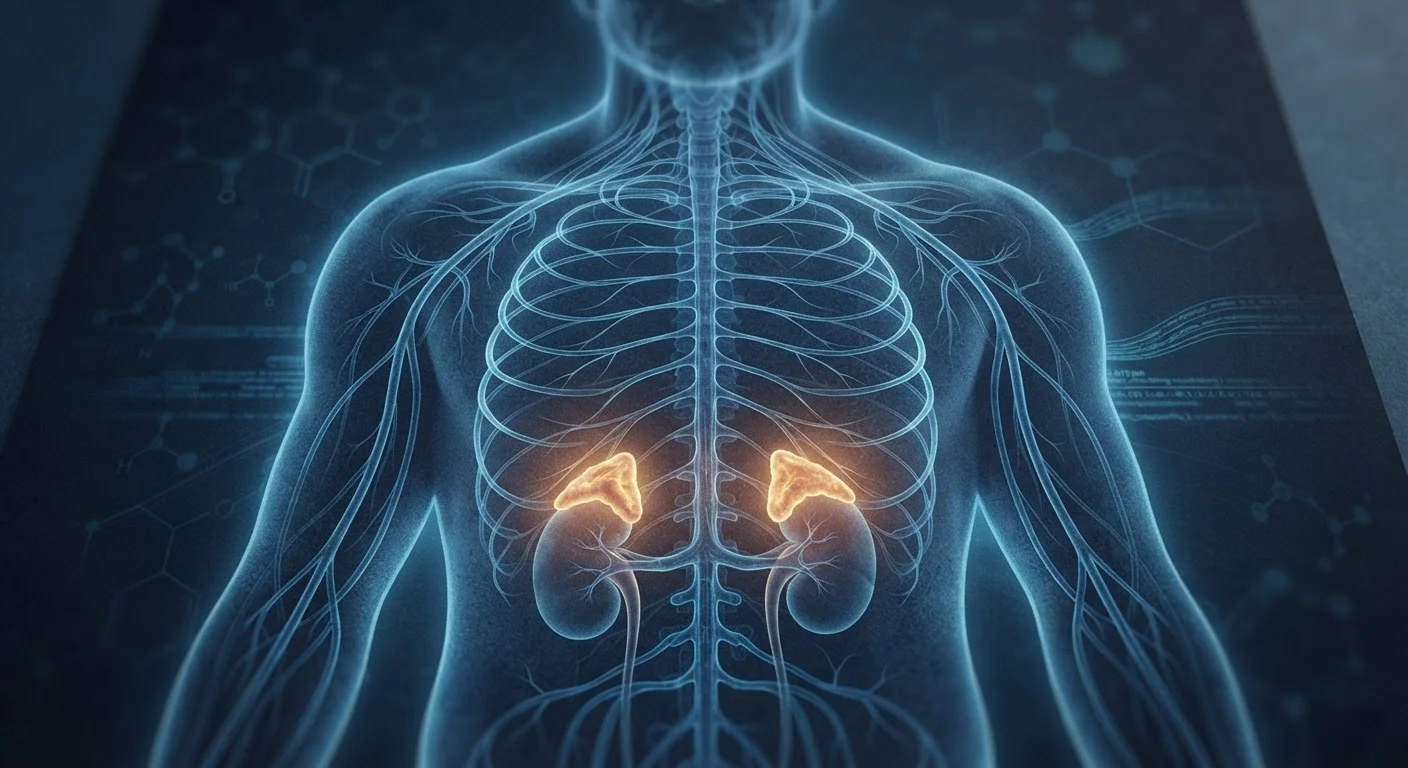
Photo credit: faqsnest.com
In this article
What actually happens when you feel stressed? This guide covers the physiology of the stress response and how chronic stress differs from acute stress.
Key Takeaways
- The stress response is an ancient survival mechanism involving the brain, nervous system, and hormones working together.
- Acute stress is short-lived and generally harmless; chronic stress sustained over weeks or months can affect multiple body systems.
- Cortisol and adrenaline are the primary hormones released during a stress response.
- The body has a built-in recovery system — the parasympathetic nervous system — that helps return it to baseline.
- Lifestyle habits like consistent sleep and regular movement meaningfully influence how well the body manages stress.
What Is the Stress Response?
"Stress" is a word we use casually, but the physiological reality behind it is precise and surprisingly elegant. The stress response — sometimes called the fight-or-flight response — is the body's rapid-reaction system for handling perceived threats. It evolved to help our ancestors survive immediate physical dangers. Today it activates in response to traffic jams, work deadlines, and difficult conversations just as readily as it does to genuine emergencies.
At its core, the stress response is a coordinated set of changes across the brain, nervous system, and endocrine (hormonal) system. It's not a malfunction — it's a feature. The problems arise when it fires too frequently or stays activated for too long.
Stress response
The body's automatic set of physical and hormonal changes triggered when the brain perceives a threat or significant demand.
Cortisol
A hormone released by the adrenal glands during stress that raises blood sugar, suppresses non-urgent body functions, and helps sustain the body's alert state.
Adrenaline (epinephrine)
A fast-acting hormone that speeds up heart rate, raises blood pressure, and mobilizes energy within seconds of a perceived threat.
HPA axis
The hypothalamus–pituitary–adrenal axis — a chain of communication between three glands that controls the longer-lasting hormonal phase of the stress response.
Parasympathetic nervous system
The branch of the nervous system that promotes recovery and rest, counterbalancing the stress-activating sympathetic nervous system.
Chronic stress
Stress that persists over a long period — weeks or months — without adequate recovery, placing sustained demands on the body's hormonal and nervous systems.
The Physiology: What's Actually Happening Inside
When the brain detects a stressor, a small almond-shaped region called the amygdala sends an alarm signal. This triggers the hypothalamus — the brain's command center — to activate the autonomic nervous system.
The first pathway is the sympathetic nervous system (SNS), which acts within seconds. It signals the adrenal glands (located just above the kidneys) to release adrenaline (epinephrine). This causes:
- Heart rate and blood pressure to rise, delivering more oxygen to muscles
- Breathing to quicken
- Digestion to slow temporarily
- Pupils to dilate for sharper vision
- Blood sugar to increase, providing fast fuel
Seconds to minutes later, a second pathway activates: the HPA axis (hypothalamus–pituitary–adrenal axis). The hypothalamus signals the pituitary gland, which in turn prompts the adrenal glands to release cortisol. Cortisol keeps blood sugar elevated, modulates immune activity, and sustains the body's emergency footing for a longer period than adrenaline alone.
Together, these systems prepare the body to act fast — either confronting the threat or fleeing from it. Most of the body's "non-urgent" functions are dialed down in the process, including digestion, reproduction, and certain immune activities.
Acute vs. Chronic Stress: Why the Difference Matters
Not all stress is created equal. Understanding this distinction is one of the most useful frameworks in stress science.
Acute stress is short-term and situational — a presentation, a near-miss while driving, a confrontation. The body activates, handles the challenge, and then recovers. Research generally suggests that moderate acute stress can improve focus and performance, a phenomenon sometimes called eustress (beneficial stress).
Chronic stress is sustained, low-grade activation that persists over weeks or months. Common sources include financial strain, caregiver demands, difficult workplace conditions, and unresolved relationship conflict. When the stress response never fully winds down, the body pays a price. Sustained cortisol elevation has been studied in relation to effects on cardiovascular health, immune function, sleep quality, and memory.
Chronic Stress Is Not Just "Feeling Tired"
Sustained stress activation affects physical systems beyond mood — including cardiovascular, immune, and metabolic function. If you've been under significant ongoing stress and are noticing physical symptoms such as persistent fatigue, sleep disruption, or frequent illness, that's a signal worth discussing with a healthcare provider. Don't dismiss it as ordinary tiredness.
It's worth noting that individual stress tolerance varies considerably. Genetics, early life experiences, social support, and physical health all influence how a person's nervous system responds to and recovers from stressors. This is general information — not a diagnostic tool.
How the Body Recovers
The counterpart to fight-or-flight is the parasympathetic nervous system (PNS) — sometimes called the "rest-and-digest" system. Once the brain determines the threat has passed, the PNS works to return the body to baseline. Heart rate slows, digestion resumes, cortisol levels drop.
A key player in this recovery process is the vagus nerve — a long nerve running from the brainstem down through the chest and abdomen. Strong vagal tone (how efficiently the vagus nerve functions) is associated with faster recovery from stress. Vagal tone can be supported by regular physical activity, quality sleep, and certain breathing techniques.
Recovery isn't passive. The body needs adequate downtime, nutrition, and sleep to fully clear stress hormones and repair the systems that were temporarily suppressed. That's one reason chronic sleep deprivation and chronic stress tend to amplify each other — and why sleep and physical activity have such a measurable effect on cognitive resilience.
Practical Ways to Support Your Stress System
You can't eliminate stress — but you can influence how your body handles it. The following are evidence-informed general approaches, not personal prescriptions. Consult a qualified healthcare professional for guidance specific to your situation.
- Consistent sleep: Sleep is the body's primary cortisol clearance period. Irregular or insufficient sleep keeps the HPA axis more reactive.
- Regular moderate movement: Physical activity helps regulate the HPA axis over time and builds the kind of resilience that helps with stress recovery. Even brisk walking consistently matters.
- Controlled breathing: Slow, deep diaphragmatic breathing activates the parasympathetic nervous system relatively quickly and can interrupt an acute stress cycle.
- Social connection: Research consistently links social support to lower perceived stress and faster physiological recovery.
- Predictable routines: Reducing decision fatigue and uncertainty — two common chronic stressors — can lower baseline activation levels.
This article is intended for general educational purposes only and does not constitute medical or psychological advice. If stress is significantly affecting your health or daily functioning, please consult a qualified healthcare professional.
Frequently Asked Questions

Author
Everyday Lifestyle Editorial Team
Everyday Lifestyle Editorial Team is the collective byline for our editorial team and contributor network. Articles published under this byline or an editorial pen name are researched, written, and reviewed according to our editorial standards for clarity, consistency, and independence before publication.
View all articles →