
Eating Well on a Tight Budget Without Cutting Corners on Nutrition
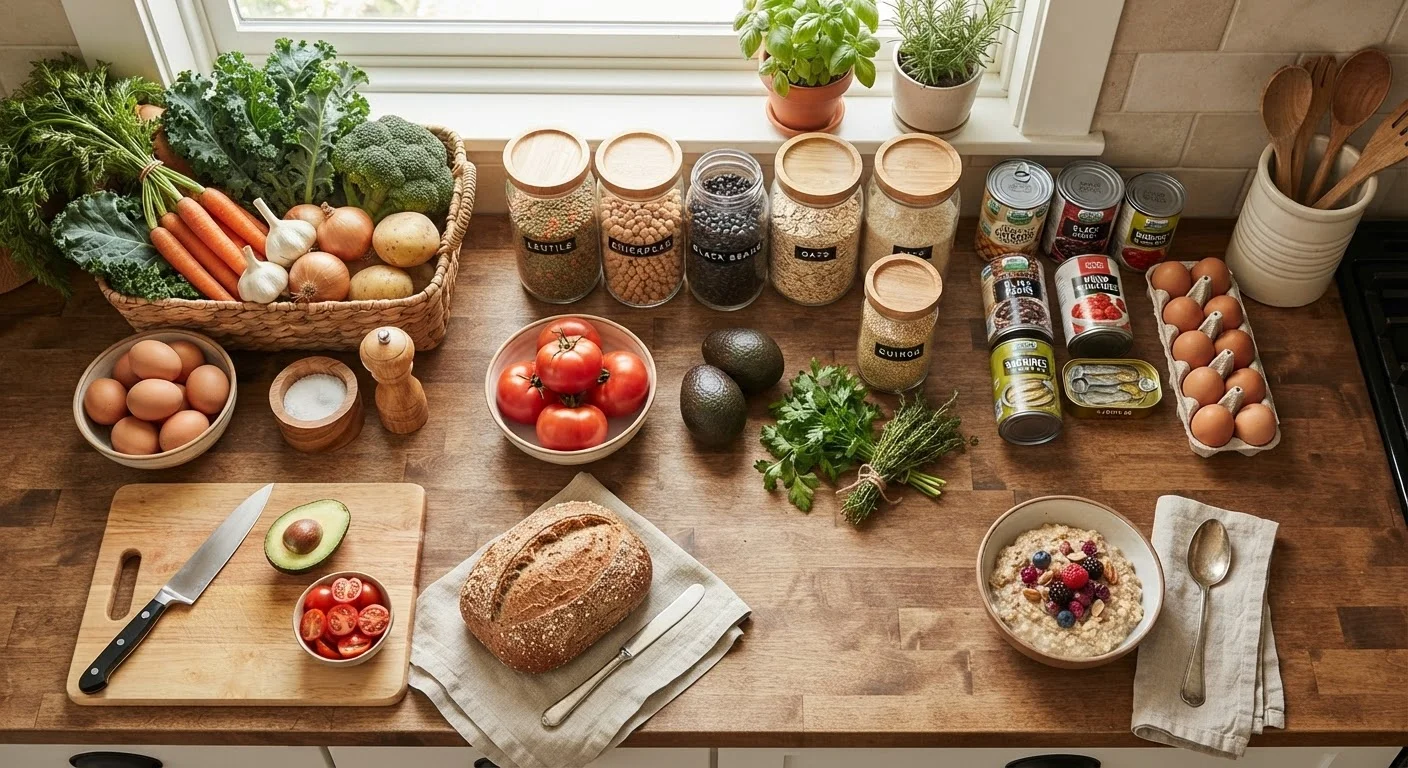
Photo credit: faqsnest.com
In this article
Practical strategies for getting a nutritionally adequate diet when money is limited — from smart staples to reducing food waste.
Key Takeaways
- A handful of affordable staples — legumes, oats, eggs, and frozen vegetables — can cover most nutritional needs.
- Planning meals before shopping significantly reduces waste and overspending.
- Frozen and canned produce is nutritionally comparable to fresh and often cheaper.
- Protein doesn't have to be expensive — beans, lentils, and eggs are strong, low-cost alternatives.
- Reducing food waste is one of the most impactful ways to stretch a grocery budget.
Why Eating Well on a Budget Is Genuinely Doable
The idea that good nutrition requires expensive groceries is one of the most persistent myths in food culture. In practice, many of the most nutrient-dense foods available — lentils, eggs, oats, canned fish, frozen vegetables — are also among the most affordable. The challenge is less about money and more about approach: knowing which foods to lean on, how to plan without overcomplicating, and how to avoid the quiet budget drain of food waste.
This guide focuses on practical methods, not idealized eating plans. It's designed for people who need real food at realistic prices, not a curated lifestyle overhaul. For broader context on how everyday habits shape long-term nutrition, consistent habits that support healthy eating is a useful companion read.
What you will need
Step-by-Step: Building a Nutritious, Affordable Approach to Eating
The following steps move from foundational decisions — what to stock — through to practical habits that make budget eating sustainable over time. No single step requires significant time or skill; the goal is to build a system that works on autopilot.
Anchor your meals around low-cost, high-nutrient staples
Before worrying about specific recipes, identify a small set of staple foods that are affordable, shelf-stable, and nutritionally dense. These become the foundation every meal is built around.
- Legumes (dried or canned lentils, chickpeas, black beans): High in protein, fiber, iron, and folate — and among the cheapest calories available.
- Whole grains (rolled oats, brown rice, whole wheat pasta): Provide sustained energy and B vitamins at low cost per serving.
- Eggs: One of the most complete, affordable protein sources available.
- Frozen vegetables: Flash-frozen at peak ripeness, they retain most nutrients and cost significantly less than out-of-season fresh produce.
- Canned fish (tuna, sardines, mackerel): Excellent omega-3 and protein sources at a fraction of fresh fish prices.
Building meals from this core group reduces shopping complexity and keeps costs predictable.
Plan meals before you shop — not after
Unplanned shopping is one of the fastest ways a food budget unravels. Even a rough meal sketch for the week before you go to the store keeps spending focused and ensures ingredients get used.
A practical approach:
- Pick 3–4 dinners for the week. Choose meals that share ingredients to reduce overlap (e.g., a bag of spinach that appears in both an omelet and a pasta dish).
- Build lunches from dinner leftovers wherever possible.
- Keep breakfasts simple — oats, eggs, or yogurt require little planning and minimal cost.
The checklist approach to grocery shopping can help you build a list that reflects what you'll actually cook — rather than an aspirational plan that leads to wasted food.
Choose canned and frozen produce without guilt
There's a persistent but mistaken belief that fresh is always more nutritious. In reality, canned and frozen vegetables and fruits are processed quickly after harvest, which preserves most vitamins and minerals. For many nutrients — particularly in produce shipped long distances — frozen may actually retain more than "fresh" by the time it reaches your plate.
Practical guidance:
- Choose canned tomatoes, beans, and corn — rinsing canned beans reduces sodium by roughly 40%.
- Stock frozen spinach, peas, broccoli, and mixed vegetables for quick meal additions.
- Frozen fruit (berries, mango) works well in oatmeal or smoothies and costs far less than fresh out of season.
Reduce food waste systematically
Food thrown away is money directly lost. Research consistently shows that households waste a significant portion of the food they buy — often 20–30% — which represents a substantial budget drain regardless of income level.
Simple habits that reduce waste:
- First in, first out: Move older items to the front of the fridge and pantry so they get used before newer purchases.
- Repurpose leftovers: Day-old roasted vegetables become frittata filling; stale bread becomes croutons or breadcrumbs.
- Freeze before food spoils: Bread, bananas, cooked grains, and most cooked legumes freeze well.
- Use vegetable scraps: Onion skins, carrot tops, and celery ends can simmer into a basic vegetable stock at no extra cost.
Keep protein sources varied and affordable
Protein is often where budgets strain, because meat is expensive. The solution isn't to avoid protein — it's to diversify sources. Many non-meat protein options match or exceed the nutritional value of meat at a fraction of the cost.
- Lentils and beans: Provide protein and fiber together, which improves satiety.
- Eggs: Versatile, quick to cook, and nutritionally complete.
- Canned fish: Sardines and mackerel are especially affordable and rich in omega-3 fatty acids.
- Plain Greek yogurt or cottage cheese: High-protein dairy options that work across meals.
- Tofu or tempeh: When on sale, these provide affordable plant-based protein with a long fridge life once opened.
For those interested in shifting more meals toward plants, plant-based eating for everyday meals offers practical swaps with nutritional context — no strict rules required.
Cook in batches to save time and reduce daily friction
One of the biggest threats to eating well on a budget isn't cost — it's exhaustion. When cooking feels like a daily chore, takeout and convenience foods fill the gap, which quickly erodes savings and nutrition alike.
Batch cooking once or twice a week reduces daily decision-making. Cook a large pot of grains, a batch of beans or lentils, and roast a tray of vegetables. These building blocks combine across multiple meals throughout the week without repetition feeling monotonous.
If you're weighing structured meal planning against a more flexible approach, structured vs. intuitive eating explores both methods — useful context for finding a rhythm that actually sticks.
Nutrition Labels Are Your Best Shopping Tool
When comparing products, check the nutrition label rather than the marketing on the front of the package. Focus on protein, fiber, and key micronutrients per serving relative to cost. A cheaper product with comparable nutrients is simply the better buy — the label tells the real story.
Common Pitfalls That Quietly Drain Budgets
Even with good intentions, a few recurring habits can undermine budget eating efforts:
- Buying specialty "health" products: Superfoods, protein powders, and branded wellness foods are almost always expensive relative to their nutritional value. Whole food staples outperform them on cost per nutrient in most cases.
- Shopping hungry: Consistently leads to higher spend on processed, convenient, and impulse items. Eating before shopping — even a small snack — makes a measurable difference.
- Ignoring store-brand options: Generic and store-brand products are often manufactured by the same suppliers as premium brands. The nutritional content on the label is what matters, not the packaging.
- Overbuying fresh produce: Fresh vegetables are valuable, but buying more than you can use before they spoil is a common waste trap. Supplementing with frozen reduces this risk significantly.
The same discipline that applies here translates to other budget decisions — much like prioritising car maintenance on a budget, the principle is about directing limited resources toward what actually delivers value.
This article is for general informational and educational purposes only. It is not a substitute for advice from a registered dietitian or qualified healthcare professional. If you have specific nutritional needs, a health condition, or concerns about your diet, please consult a professional.

Author
Everyday Lifestyle Editorial Team
Everyday Lifestyle Editorial Team is the collective byline for our editorial team and contributor network. Articles published under this byline or an editorial pen name are researched, written, and reviewed according to our editorial standards for clarity, consistency, and independence before publication.
View all articles →