
Soil pH Explained: What It Means for Your Plants and How to Test It
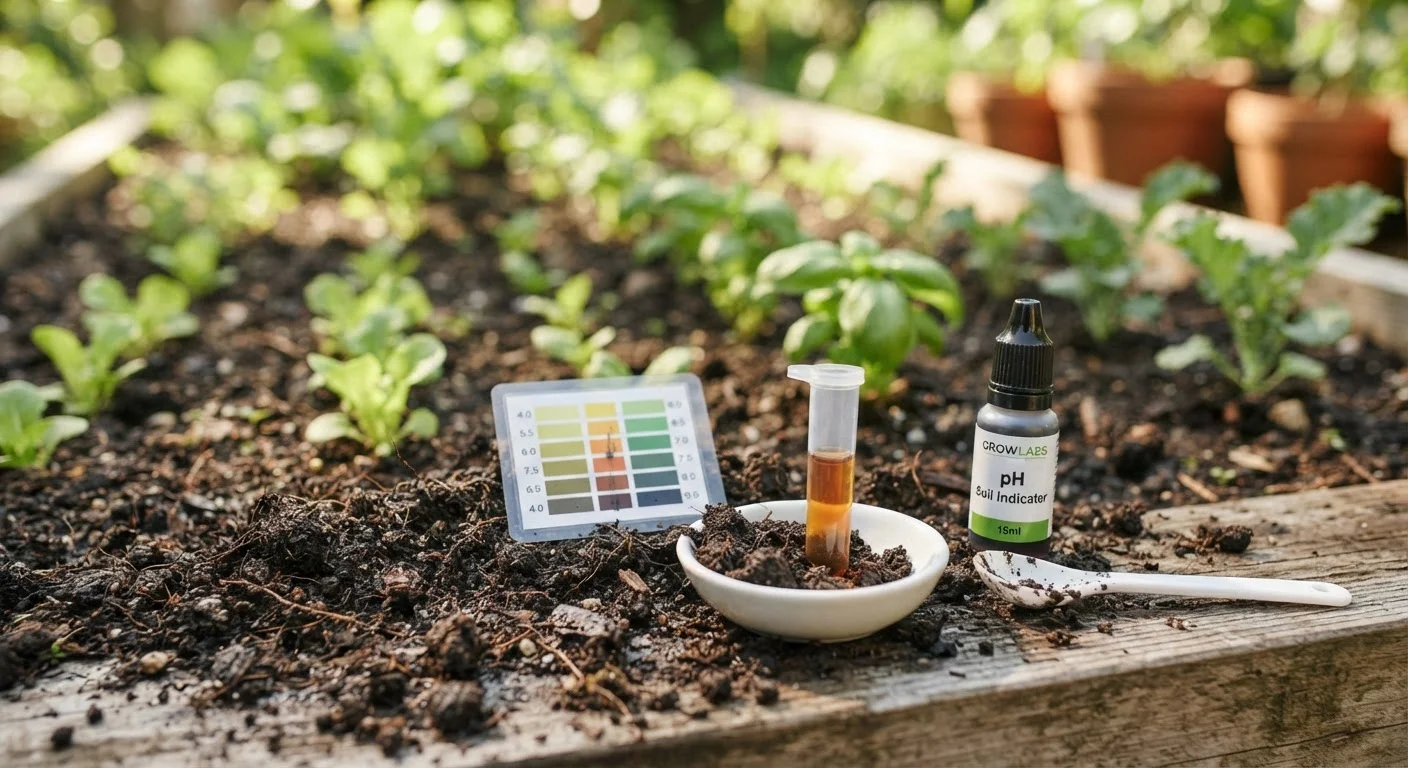
Photo credit: faqsnest.com
In this article
Understand what soil pH is, why it affects plant health, and how to test and adjust it for a more productive garden.
Key Takeaways
- Soil pH controls nutrient availability — even a well-fertilized soil can starve plants if pH is off.
- Most vegetables and flowers prefer a slightly acidic pH between 6.0 and 7.0.
- Inexpensive home test kits and mail-in soil labs both provide reliable pH readings.
- Lime raises soil pH; elemental sulfur or acidifying fertilizers lower it.
- pH changes happen gradually — adjustments may take weeks to months to take full effect.
- Testing annually or every two to three years helps you stay ahead of problems before symptoms appear.
Why pH Is the Foundation of Soil Health
Think of soil pH as a gatekeeper. It doesn't feed your plants directly, but it determines which nutrients pass through to the roots — and which ones get locked out. When pH strays outside a plant's preferred range, nutrients like iron, manganese, phosphorus, and calcium can become chemically bound to soil particles and unavailable for uptake, even if those nutrients are physically present in the soil.
The result? Plants that look nutrient-deficient despite regular fertilizing. Yellowing leaves, stunted growth, and poor fruit set are all common symptoms of a pH mismatch rather than an actual shortage of fertilizer. This is why experienced gardeners always check pH before adding amendments — adding more fertilizer to pH-stressed soil is often money and effort wasted.
Soil biology is also affected. The beneficial microorganisms responsible for breaking down organic matter and cycling nutrients tend to thrive in the same slightly acidic-to-neutral range that most garden plants prefer. Extreme pH values — very acidic or very alkaline — can suppress this microbial activity and slow the entire nutrient cycle in your garden.
Regional Soil Tendencies Worth Knowing
Soil pH varies significantly by region across the US. Soils in the humid Southeast and Pacific Northwest tend to be naturally acidic due to high rainfall leaching basic minerals. Soils in arid parts of the Southwest and Great Plains often trend alkaline. Knowing your region's general tendencies helps you anticipate what amendments you may need before you even test.
How to Test Your Soil pH
Testing is more accessible than many gardeners realize. There are three main approaches, each with its own tradeoffs:
- Home test kits: These inexpensive kits — typically using a color-indicator solution or paper strips — are widely available and easy to use. They give a ballpark reading that's useful for spotting obvious problems, though they're less precise than lab methods.
- Digital pH meters: Handheld probes inserted directly into moist soil give a quick numerical reading. Accuracy depends heavily on calibration and maintenance; always follow the manufacturer's instructions for cleaning and calibrating.
- Cooperative extension soil tests: Many US land-grant universities and county cooperative extension offices offer mail-in soil testing at low cost. These lab results are highly accurate and typically include recommendations for amendments based on what you plan to grow. This is the most thorough option, especially for new garden beds or persistent problems.
Whichever method you choose, collect soil from several spots in the bed or area you're testing, mix them together, and test the composite sample. This gives you a more representative picture of your soil as a whole rather than one anomalous spot.
How to Adjust Soil pH
Once you know your soil's pH, adjustments are straightforward — just patient. The two most common scenarios are soil that's too acidic or too alkaline for what you want to grow.
Raising pH (Making Soil Less Acidic)
Ground limestone — either calcitic or dolomitic — is the standard amendment for raising soil pH. Dolomitic lime also supplies magnesium, which makes it a good choice when a soil test reveals both low pH and low magnesium. Wood ash can also raise pH modestly, but use it sparingly since it can shift pH quickly and unevenly. Follow soil test recommendations for quantities; applying too much lime can overshoot your target.
Lowering pH (Making Soil More Acidic)
Elemental sulfur is the most reliable product for acidifying soil. Soil bacteria convert it to sulfuric acid over time, gradually lowering pH. This process is slowest in cold or dry conditions, so late fall and early spring applications give the material time to work before the growing season. Acidifying fertilizers — those containing ammonium sulfate or similar compounds — can also help maintain lower pH over time with regular use.
Test Before You Amend, Always
Never add lime or sulfur to your soil based on guesswork alone. Over-correcting pH — raising it too high or lowering it too far — creates a different set of problems and takes additional time to fix. A soil test is the only reliable way to know how much amendment your soil actually needs, and many cooperative extension offices offer this service for a modest fee.
Keep records of what amendments you applied, in what quantities, and what your subsequent test results showed. This data becomes invaluable over time as you refine your soil management.
Matching Plants to Your Soil (or Vice Versa)
Rather than always amending your soil to chase a perfect number, consider working with what you have. If your native soil tends acidic, lean into it — blueberries, strawberries, heathers, and most conifers will thrive without a lot of correction effort. If your soil tests consistently alkaline, lavender, lilac, and many ornamental grasses can be excellent choices.
For vegetable gardeners with challenging soil, raised beds filled with quality blended growing media offer a practical workaround. You start with a known, balanced medium and have full control over how you amend it going forward.
When you do choose to amend in-ground beds, test before planting each season and after any significant additions of organic matter, since compost and aged manure can gradually shift pH over time. A little annual attention to pH keeps your soil dialed in and your plants consistently productive.
Frequently Asked Questions

Author
Home & Garden Editorial Team
Home & Garden Editorial Team is the collective byline for our editorial team and contributor network. Articles published under this byline or an editorial pen name are researched, written, and reviewed according to our editorial standards for clarity, consistency, and independence before publication.
View all articles →