
Night Driving: Why Darkness Is Harder on Your Eyes Than You Think
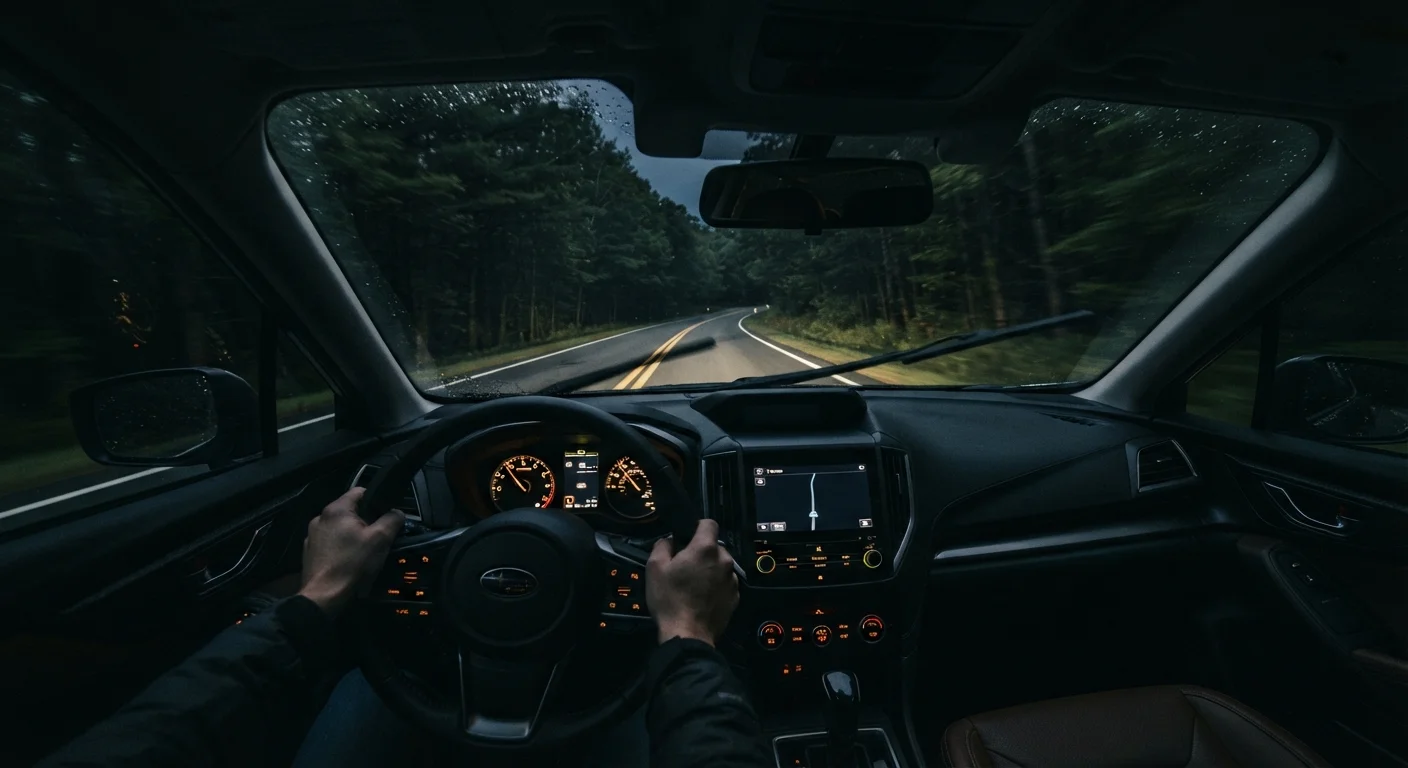
Photo credit: faqsnest.com
In this article
Understand how low light affects depth perception, reaction time, and glare sensitivity — and what habits help you drive safer after dark.
Key Takeaways
- Your eyes take up to 30 minutes to fully adjust to darkness, and oncoming lights reset that process.
- Depth perception and peripheral vision are both reduced at night, making hazard detection harder.
- Glare from modern LED and HID headlights can temporarily blind drivers for several seconds.
- Driving speed affects how far your headlights illuminate — faster means less reaction time.
- Simple habits like cleaning windshields and dimming dashboard lights meaningfully improve night vision.
What Actually Happens to Your Eyes After Dark
When daylight fades, your eyes don't simply switch to a "night mode" — they undergo a genuine physiological shift. Daytime vision relies on cone cells concentrated in the center of the retina, which detect color and fine detail. As light levels drop, your visual system transitions to rod cells, which are more sensitive to low light but can't distinguish color and offer lower spatial resolution.
This shift is called dark adaptation, and it's not instant. Full adaptation takes 20 to 30 minutes — meaning if you walk out of a brightly lit gas station and immediately get on the highway, your eyes are not yet working at their nighttime best. Worse, a single glance at oncoming high beams can partially reset that adaptation, leaving you less equipped to see the road ahead for a noticeable period afterward.
Rod cells are also largely absent from the dead center of the retina, which is why dim objects — like an unlit cyclist — are sometimes easier to see slightly off-center than when looking directly at them. This counterintuitive quirk of eye anatomy is worth understanding for any driver heading out after dark.
Depth Perception, Peripheral Vision, and the Speed Problem
Two visual skills degrade meaningfully in darkness: depth perception and peripheral vision. Depth perception depends heavily on contrast and detail cues, both of which are weakened at night. This makes it harder to accurately judge following distances, the approach speed of oncoming vehicles, and the exact position of road edges.
Peripheral vision also narrows in low-light conditions, reducing your ability to detect movement at the sides of the road — which is exactly where pedestrians, cyclists, and animals tend to appear. At highway speeds, something entering from the roadside gives you very little time to respond even in full daylight; at night, that window shrinks further.
Then there's the speed-lighting mismatch. A standard low-beam headlight illuminates roughly 160 feet ahead. At 60 mph, your vehicle covers about 88 feet per second — meaning you have less than two seconds of lit road ahead of you at speed. Increasing following distance and reducing speed after dark are direct responses to this physical reality, not merely cautious habits. For a broader look at how driving technique changes with road conditions, see our guide to shifting habits between highway and city driving.
3x
Higher nighttime traffic fatality rate
According to the National Safety Council, traffic deaths occur at roughly three times the rate at night compared to daytime, despite lower traffic volume.
160 ft
Typical low-beam headlight range
Standard low-beam headlights illuminate approximately 160 feet ahead — less than two seconds of stopping distance at 60 mph.
30 min
Time for full dark adaptation
The human eye can take up to 30 minutes to complete its transition to rod-dominated scotopic (low-light) vision after bright exposure.
900 ft
Distance traveled during 10-second glare recovery
At 60 mph, a driver experiencing ten seconds of disability glare from oncoming headlights travels nearly 900 feet with impaired vision.
Glare: A Bigger Problem Than Most Drivers Acknowledge
Modern vehicles increasingly use LED and high-intensity discharge (HID) headlights, which are significantly brighter than older halogen bulbs. These lights are excellent for the driver using them — but they can be genuinely blinding for oncoming drivers, especially older ones whose pupils dilate more slowly.
The temporary vision loss caused by glare is called disability glare, and it can last anywhere from two to ten seconds after the bright source passes. At 60 mph, ten seconds of impaired vision means traveling nearly 900 feet — more than three football fields — with compromised sight.
Practical responses include: averting your gaze slightly toward the right lane edge when oncoming vehicles approach, keeping your windshield clean inside and out, and ensuring your own headlights are properly aimed. Misaligned headlights — whether angled too high or too low — are a common and correctable problem. A qualified mechanic or shop can check and adjust headlight aim as part of routine maintenance.
Night driving fatigue compounds glare sensitivity. Tired eyes are less efficient at recovering from bright-light exposure. If you're planning a long after-dark drive, our article on driver fatigue and the risks most people underestimate is worth reading before you go.
Habits That Genuinely Help After Dark
Most improvements to night driving safety don't require equipment purchases — they're adjustments in how you prepare and how you drive.
- Clean your windshield thoroughly. Inside grime is just as damaging as outside dirt. A microfiber cloth and glass cleaner used on both surfaces reduces light scatter significantly.
- Dim your dashboard and instrument lighting. Brighter interior lighting forces your pupils to constrict slightly, reducing your ability to see outside. Most vehicles allow dashboard brightness adjustment.
- Use high beams when appropriate. On unlit rural roads with no oncoming traffic, high beams extend your sight distance dramatically. Develop the habit of switching back early when another vehicle appears.
- Increase your following distance. The standard two-second gap is a minimum for daytime driving. At night, three or four seconds gives you more time to respond to hazards your headlights reveal late.
- Schedule regular eye exams. Uncorrected vision problems — including mild astigmatism — create halos and starburst effects around lights at night. Many drivers don't know their prescription is outdated until they get behind the wheel after dark.
Night driving is also a context where the principles of defensive driving apply most directly — anticipating hazards before they're fully visible is exactly what low-light conditions demand. Reducing screen time in the hour before a late drive may also help your eyes adapt faster; the relationship between screen light and visual readiness is explored in our piece on digital screen use and rest.
Frequently Asked Questions

Author
Cars & Driving Editorial Team
Cars & Driving Editorial Team is the collective byline for our editorial team and contributor network. Articles published under this byline or an editorial pen name are researched, written, and reviewed according to our editorial standards for clarity, consistency, and independence before publication.
View all articles →