
Misconceptions About Engine Oil That Many Drivers Still Believe
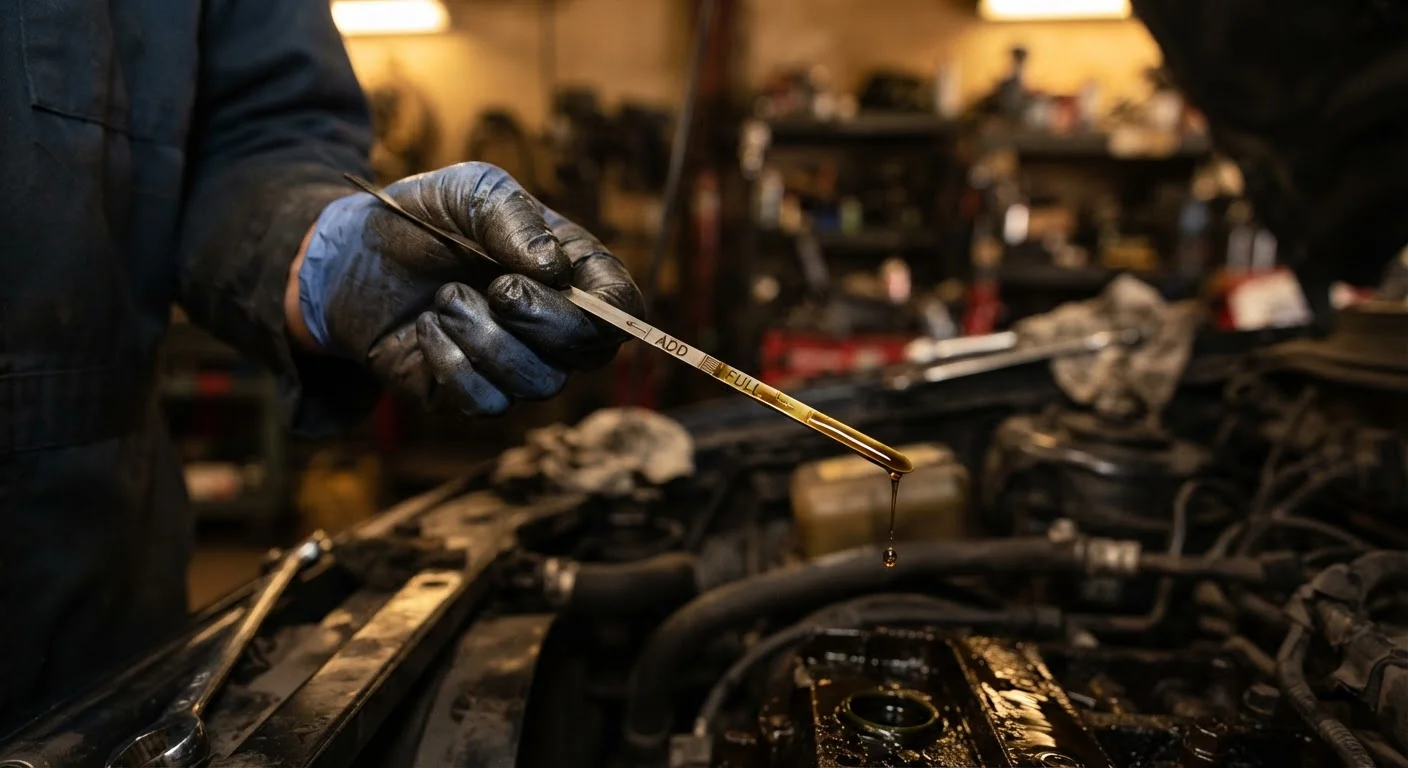
Photo credit: faqsnest.com
In this article
Does oil colour tell you when to change it? Is synthetic always better? Separating widely held myths from what the evidence actually shows.
Key Takeaways
- Dark oil color alone does not mean your oil needs to be changed immediately.
- The 3,000-mile oil change interval is outdated for most modern vehicles and oils.
- Switching from conventional to synthetic oil will not cause engine leaks in most cases.
- Synthetic oil does not last indefinitely — it still needs to be changed per your vehicle's schedule.
- Your owner's manual, not a quick-lube sticker, is the most reliable guide for oil change timing.
Why Engine Oil Myths Are So Persistent
Engine oil is one of those topics where outdated advice, old marketing, and genuine confusion have combined over decades to create a murky picture for everyday drivers. Some myths were once partially true but no longer apply to modern engines or lubricants. Others were invented by the service industry and repeated so often they took on the weight of fact.
Getting this right matters. Oil is the single most important fluid in your engine — it reduces friction, carries away heat, and keeps metal components from grinding against each other. Decisions based on bad information can lead to unnecessary spending, or worse, skipping maintenance your engine actually needs. The myth-and-fact breakdown below cuts through the noise. For a deeper look at viscosity grades and change intervals, see our full engine oil explainer.
Common Engine Oil Myths — Corrected
These are some of the most widely repeated misconceptions about motor oil, along with what the evidence actually shows.
Myth
If engine oil looks dark or black, it's gone bad and needs to be changed right away.
Fact
Dark oil is often a sign the oil is doing its job, not that it has failed. Color alone is not a reliable indicator of oil condition.
Motor oil is designed to suspend and carry combustion byproducts — soot, carbon particles, and other contaminants — away from engine surfaces. This is why oil darkens relatively quickly, especially in diesel engines or high-performance gas engines. An oil that has turned dark has not necessarily lost its ability to lubricate. Actual oil degradation is measured by factors like viscosity breakdown, acid buildup, and additive depletion — none of which are visible to the naked eye. Relying on color to judge oil life can lead you to change oil prematurely or, paradoxically, to feel falsely reassured when oil looks clean but is actually overdue.
Myth
You need to change your oil every 3,000 miles, no exceptions.
Fact
The 3,000-mile rule is outdated for the vast majority of modern vehicles running current-generation oils.
This interval dates back to an era of older engine technology and conventional oil formulations that degraded more quickly. Today's full synthetic and synthetic-blend oils, combined with tighter manufacturing tolerances in modern engines, allow most vehicles to go significantly longer between changes. Many manufacturers now specify 7,500 to 10,000 miles for normal driving, and some vehicles with full synthetic fill can go up to 15,000 miles under the right conditions. Changing oil more frequently than required isn't harmful to the engine, but it wastes money and generates unnecessary used oil disposal. Follow your owner's manual schedule, not a blanket rule from decades ago.
Myth
Switching to synthetic oil after using conventional oil will cause seals to leak.
Fact
In modern vehicles, switching between oil types does not cause leaks. This concern applied to very old engines with specific seal materials.
Earlier synthetic formulations, particularly those from the 1970s and early 1980s, used ester-based compounds that were incompatible with some seal materials of the time, potentially causing them to shrink or degrade. Modern synthetics are formulated with seal-compatible additives and meet the same API (American Petroleum Institute) and manufacturer specifications as conventional oils. In a vehicle with intact, properly functioning seals, switching to synthetic will not create a leak. If an older high-mileage engine does show seepage after a switch, the seals were already compromised — the synthetic oil simply has better flow characteristics that reveal existing gaps. Learn more about the real differences between oil types.
Myth
Once you switch to full synthetic oil, you never have to worry about oil changes as often.
Fact
Synthetic oil extends intervals compared to conventional, but it still breaks down and must be changed on schedule.
Synthetic oil has real advantages — better thermal stability, improved performance in cold starts, and longer useful life. But it is not permanent. Over time and mileage, even full synthetic oil loses viscosity stability, its additive package depletes, and it accumulates contaminants. Manufacturers set change intervals for synthetic oil based on testing, and those intervals exist for a reason. Using oil past its service life — regardless of type — can accelerate engine wear. Running an oil life monitor or following the manual's mileage and time intervals (oil can also degrade from time sitting, not just miles driven) is still essential even with a premium synthetic fill.
Myth
A higher-viscosity oil is always better for engine protection.
Fact
Using the wrong viscosity grade can actually reduce protection and increase wear — especially at startup.
Viscosity — indicated by grades like 5W-30 or 0W-20 — describes how oil flows at different temperatures. The number before the "W" (which stands for winter) indicates cold-start flow, while the number after describes viscosity at operating temperature. Using a thicker oil than specified might seem like added insurance, but it can increase internal friction, slow oil circulation to critical components during cold starts, and reduce fuel efficiency. Engines are precisely engineered for a specific oil viscosity; using the grade specified in your owner's manual is the correct approach. Heavier oils are appropriate only in specific situations, such as high-mileage engines with greater bearing clearances, and even then, guidance should come from a qualified mechanic.
For related misconceptions that go beyond oil specifically, the car maintenance myths article covers a broader set of widely repeated but inaccurate car care beliefs.
How to Actually Know When Your Oil Needs Changing
The most reliable source for oil change intervals is your vehicle's owner's manual. Most modern vehicles with full synthetic oil can go 7,500 to 10,000 miles — or more — between changes, depending on the engine and driving conditions. Many newer vehicles also include an oil life monitoring system that factors in engine load, temperature, and driving patterns to give you a real-time estimate.
That said, driving conditions do matter. Frequent short trips, towing, dusty environments, or extreme temperatures are classified as "severe" duty by most manufacturers and may call for more frequent changes than the standard interval. Check your manual for both normal and severe schedules.
Don't Ignore Both Intervals: Miles and Time
Most drivers remember to track mileage, but oil also degrades over time even if a vehicle sits unused. If your car doesn't accumulate miles quickly — for example, a second vehicle or a short-commute daily driver — check your owner's manual for a time-based interval, often six months to a year, regardless of mileage. Stale oil loses protective properties just as worn oil does.
What you don't need to rely on is color alone, the quick-lube sticker on your windshield, or a general rule of thumb passed down from a relative. Those approaches are well-meaning but imprecise. Your vehicle's documented service schedule — and, where equipped, its oil life monitor — are the tools designed for the job. For a side-by-side look at oil types, see our synthetic vs. conventional comparison, and for broader car maintenance guidance, our hub covers routine upkeep across the whole vehicle.

Author
Cars & Driving Editorial Team
Cars & Driving Editorial Team is the collective byline for our editorial team and contributor network. Articles published under this byline or an editorial pen name are researched, written, and reviewed according to our editorial standards for clarity, consistency, and independence before publication.
View all articles →