
Cover Songs: When Reinterpretation Becomes the Definitive Version
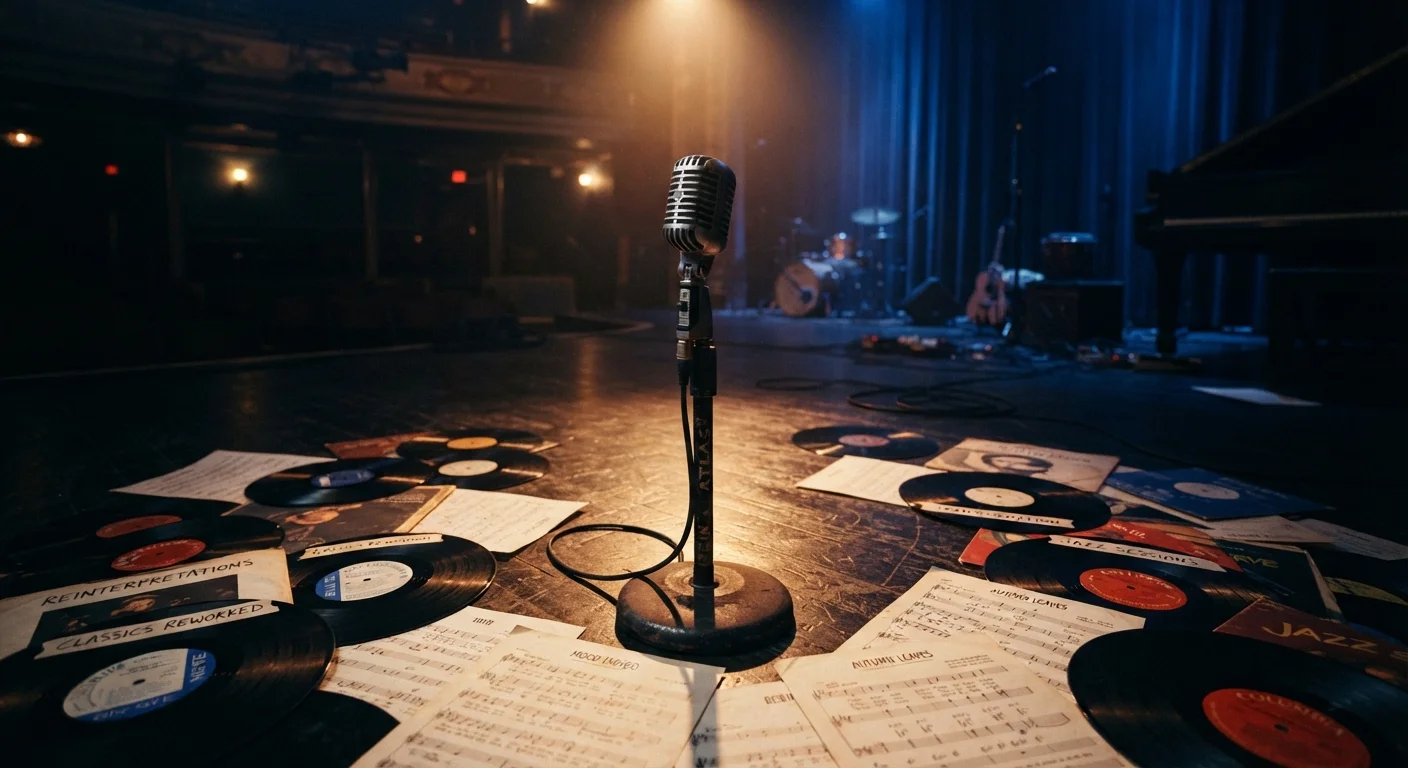
Photo credit: faqsnest.com
In this article
Some cover versions eclipsed the originals entirely. Explore what makes a reinterpretation transformative rather than imitative.
Key Takeaways
- A cover becomes definitive when it reinterprets rather than simply imitates its source material.
- Transformative covers often strip a song down or change its genre, revealing new emotional dimensions.
- The original songwriter still earns royalties even when a cover eclipses their version in popularity.
- Cultural timing plays a significant role in determining which version audiences embrace as canonical.
- Some songs are so thoroughly associated with a cover artist that the original is largely forgotten by mainstream audiences.
The Anatomy of a Transformative Cover
Not all covers are created equal. The vast majority of recorded covers function as tributes — faithful recreations designed to honor the source material or introduce it to a new audience without fundamentally altering its character. But a small, culturally significant subset does something far more ambitious: it takes a song apart and reassembles it into something that feels inevitable, as though the reinterpreted version is the one the song always wanted to be.
What separates imitation from transformation comes down to three core elements: artistic ownership, contextual resonance, and emotional reframing. An artist who performs a cover without imposing their own sensibility on it is essentially delivering karaoke at a professional level. But an artist who hears the latent potential in a song's structure — a melancholy buried under an upbeat tempo, or a tenderness hidden beneath bluster — and excavates it, is doing something closer to composition.
Genre transposition is one of the most reliable mechanisms for this kind of transformation. Moving a pop song into a spare acoustic arrangement, or lifting a country ballad into orchestral territory, strips away the sonic context listeners associate with the original and forces them to hear the underlying composition afresh. The emotional scaffolding of the song becomes suddenly visible.
“"All Along the Watchtower" is his song, but he's done something with it that's just extraordinary. It's the definitive version of that song.”
— Bob Dylan, Singer-songwriter, speaking about Jimi Hendrix's cover of his composition
When the Cover Becomes the Canon
There are well-documented cases in popular music history where a cover so thoroughly eclipsed its source that the original now exists primarily as a footnote. Jimi Hendrix's interpretation of Bob Dylan's "All Along the Watchtower" is among the most cited examples — Dylan himself has acknowledged that Hendrix's version redefined the song, and Dylan has since performed it closer to Hendrix's arrangement than his own original. The song effectively changed ownership in the cultural imagination, even though Dylan's copyright remained fully intact.
Whitney Houston's 1992 recording of Dolly Parton's "I Will Always Love You" follows a similar arc. Parton's original, released in 1974, was a successful country single, but Houston's gospel-inflected power ballad — anchored by one of the most technically demanding vocal performances in pop history — transformed the song into something on a different emotional scale entirely. For most listeners under a certain age, the idea that the song has an "original" that predates Houston's version is genuinely surprising.
#1
Chart position held by Houston's cover for 14 weeks
Whitney Houston's version of "I Will Always Love You" spent 14 weeks atop the Billboard Hot 100 in 1992–1993, making it one of the longest-running number-one singles in chart history at that time.
Top 5
Most-covered songs include compositions from the 1960s–70s
Analyses of cover frequency consistently show that songs from the classic rock and soul era are covered more than any other period, suggesting their compositions have unusual structural versatility.
~9.1¢
Mechanical royalty rate per download or physical copy (US statutory)
As of recent Copyright Royalty Board rates, the statutory mechanical royalty for a song over five minutes is approximately 9.1 cents per copy, paid to the original songwriter regardless of which version is released.
These cases illustrate a broader phenomenon: canonical status in popular music is not always determined by chronology. It is determined by the version that most durably occupies public memory, often shaped by the cultural moment in which a recording arrived and the platform — whether film, television, or radio — that amplified it.
What Drives Audiences Toward a Cover Over the Original
Cultural timing operates as a force multiplier in this dynamic. Houston's version of "I Will Always Love You" was embedded in the 1992 film The Bodyguard, giving it a narrative and cinematic context that Parton's standalone single could not compete with on those terms. Placement in film and television has historically been one of the most powerful accelerants for a cover's cultural dominance — it attaches the song to a specific emotional memory for millions of simultaneous viewers.
The way music intersects with broader cultural moments — from cinema to fashion to social movements — consistently determines which version of a song becomes the touchstone. A cover that arrives at the right moment, attached to the right cultural vehicle, can permanently redefine the song's meaning in public consciousness.
Artist persona also plays a defining role. When listeners feel that a particular song could only have been sung by the covering artist — that the material fits their voice, their story, or their public identity with an almost eerie precision — it creates a sense of inevitability. That perceived authenticity is arguably more persuasive than technical virtuosity alone.
The Ethics and Economics of Reinterpretation
The phenomenon of covers raises honest questions about attribution and credit. When a cover version becomes so dominant that the original is effectively invisible to mainstream audiences, the original songwriter retains their royalty stream but loses something harder to quantify: recognition. This tension has occasionally surfaced in public discourse, particularly when artists from marginalized communities — as was common during the early decades of rock and roll — saw their compositions recorded and popularized by artists with greater industry access, who then received the cultural credit.
Mechanically, the system is straightforward: a compulsory mechanical license allows any artist to record any released composition, provided they pay the statutory rate. The original creator is compensated financially. But cultural credit does not flow through a royalty statement, and the history of American popular music includes numerous cases where the creative origins of a song became obscured over time.
Contemporary music culture has made attribution somewhat more visible — streaming metadata, liner note conventions, and social media have created more pathways for audiences to trace a song back to its source. But the core dynamic remains: the version that resonates most deeply with the largest audience becomes, in practice, the definitive one — regardless of what the copyright register says.
Frequently Asked Questions

Author
Entertainment & Media Editorial Team
Entertainment & Media Editorial Team is the collective byline for our editorial team and contributor network. Articles published under this byline or an editorial pen name are researched, written, and reviewed according to our editorial standards for clarity, consistency, and independence before publication.
View all articles →