
Mindfulness vs. Meditation: Understanding the Difference in Everyday Practice
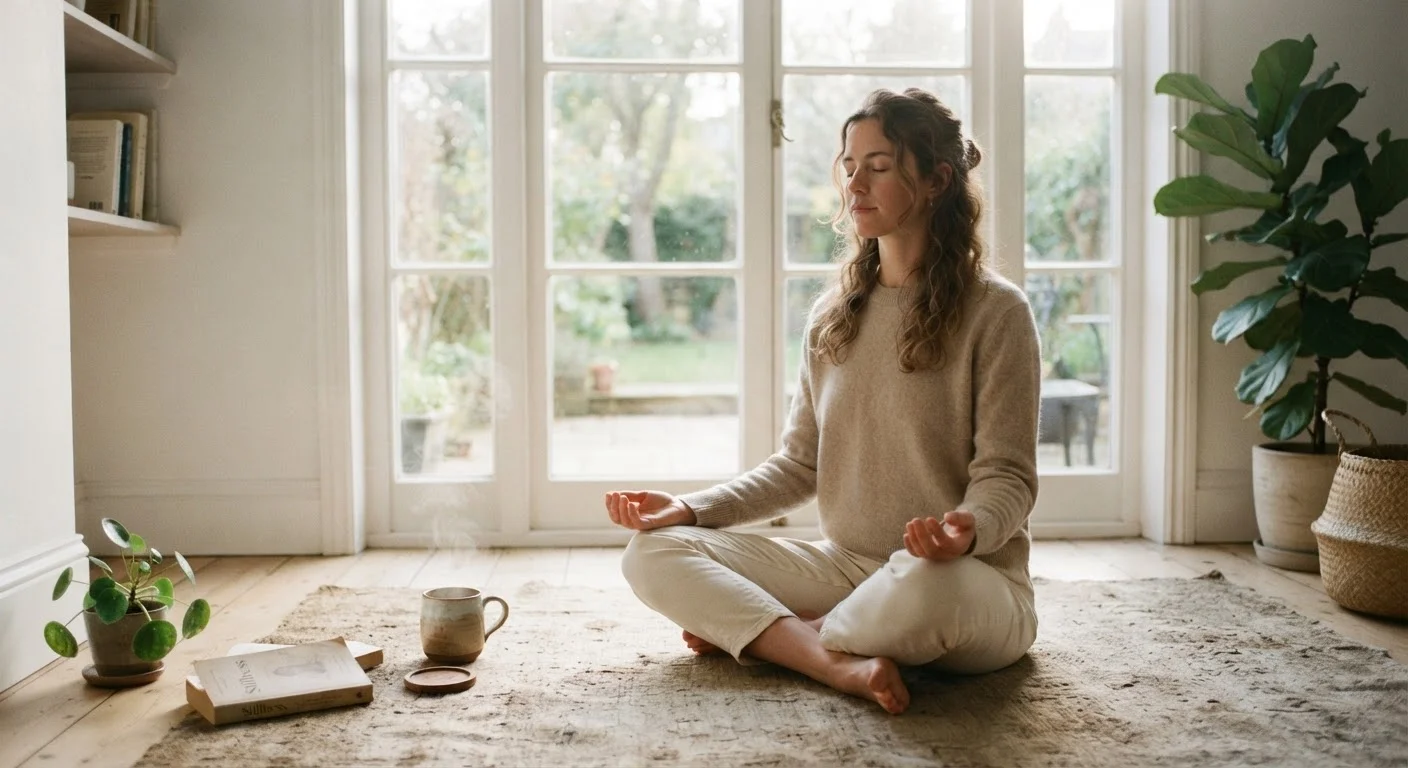
Photo credit: faqsnest.com
In this article
Mindfulness and meditation are often used interchangeably, but they differ in practice and purpose. Here's how each fits into a daily wellness routine.
Key Takeaways
- Mindfulness is a quality of attention you can apply anytime; meditation is a structured practice session.
- Both are supported by research showing benefits for stress reduction, focus, and emotional regulation.
- Meditation often cultivates mindfulness, but mindfulness does not require formal meditation.
- Combining both tends to produce stronger, more consistent results than using either alone.
- Neither requires special equipment, significant time, or prior experience to begin.
Two Different Things That Often Get Conflated
The words mindfulness and meditation get swapped so often that most people assume they mean the same thing. They don't — and that confusion can make it harder to know which one to try, or how to make either stick. Understanding the distinction is genuinely useful, not just semantic.
Mindfulness is a mental quality: the practice of paying deliberate, non-judgmental attention to what's happening right now — your breath, your surroundings, your emotional state. It's something you can do while standing in a checkout line or eating lunch. No cushion required.
Meditation is a formal practice: a structured activity where you set aside time, adopt a posture, and intentionally train your attention — often using techniques like breath-focused concentration, body scans, or loving-kindness reflection. Think of it as a workout session for the mind.
The relationship between them: meditation is one of the most reliable ways to develop mindfulness, but mindfulness itself can be practiced without ever sitting down to meditate. That asymmetry matters when you're deciding where to put your energy. For a broader look at how these habits fit alongside sleep, movement, and nutrition, see Daily Wellness Habits: A Comprehensive Overview.
What the Research Actually Shows
Both practices have accumulated meaningful scientific support, though the quality and depth of evidence varies. Formal meditation — particularly mindfulness-based stress reduction (MBSR), an eight-week structured program developed in clinical settings — has been studied extensively. Research published in peer-reviewed journals has linked regular practice to reduced self-reported stress and anxiety, improvements in attentional control, and changes in brain regions associated with emotional regulation.
Informal mindfulness — the kind you weave into daily activity — is harder to study rigorously, but evidence from psychological research suggests that people who score higher on dispositional mindfulness (a natural tendency to be present) tend to report lower emotional reactivity and greater overall wellbeing. The practical takeaway: both appear beneficial, and they likely reinforce each other.
8 weeks
Typical MBSR program length studied in trials
Mindfulness-Based Stress Reduction programs of this duration have been associated with measurable stress and anxiety reductions in multiple peer-reviewed studies.
~13 min
Daily meditation linked to attention gains
A 2018 study published in Psychological Science found that about 13 minutes of daily meditation over eight weeks improved attention and memory in participants with no prior experience.
58%
US adults report daily stress
Gallup polling has consistently found that a majority of US adults report experiencing significant stress on any given day, underlining the relevance of accessible coping practices.
It's worth noting that most studies use self-report measures, and effects vary by individual, duration, and practice consistency. Mindfulness and meditation are not treatments for clinical conditions. If you're managing a diagnosed mental health condition, speak with a qualified healthcare professional before relying on these practices as part of your care.
How Each Fits Into a Real Day
This is where the practical difference becomes clear. Meditation typically asks for a time block — even five to ten minutes of uninterrupted, intentional practice. That's realistic for many people, but it does require scheduling.
Mindfulness, by contrast, is modular. Common entry points include:
- Mindful eating: Putting your phone down and noticing the taste, texture, and pace of a meal.
- Mindful commuting: Observing your breath or surroundings rather than defaulting to anxious thought loops.
- Mindful transitions: Taking three slow breaths before starting a meeting or task.
These micro-practices don't replace formal meditation — but for people who can't carve out a quiet ten minutes, they offer a genuine on-ramp. They're also complementary to gentler physical practices; gentle movement practices like yoga and tai chi naturally incorporate mindful attention and can deepen both informal and formal practice.
A useful framing: meditation is the training ground; mindfulness is how you apply what you've trained in the rest of your life.
Choosing a Starting Point — and Knowing When to Combine Both
If you're new to both, starting with informal mindfulness tends to feel less daunting. Pick one routine activity — your morning coffee, a walk between meetings — and commit to doing it with full attention for a week. No apps, no timers needed yet.
If you want a more structured path, a simple daily meditation practice of five to ten minutes — focusing on the breath and gently redirecting attention when the mind wanders — is a widely used starting framework. Consistency over duration matters more early on; ten minutes every day outperforms an hour once a week.
For sustainable wellbeing, the most practical approach is to treat them as complementary rather than competing. A short morning meditation can anchor your intention, while mindfulness moments scattered through the day maintain that sense of presence. Both practices intersect with how we manage mental energy — a dynamic explored further in The Difference Between Rest and Recovery and why both matter for staying resourced.
This article is for general informational and educational purposes only and is not a substitute for professional medical or mental health advice. If you have concerns about anxiety, stress, or mental health, please consult a qualified healthcare professional.

Author
Everyday Lifestyle Editorial Team
Everyday Lifestyle Editorial Team is the collective byline for our editorial team and contributor network. Articles published under this byline or an editorial pen name are researched, written, and reviewed according to our editorial standards for clarity, consistency, and independence before publication.
View all articles →