
Driving in Unfamiliar Terrain: Mountains, Deserts, and Coastal Roads
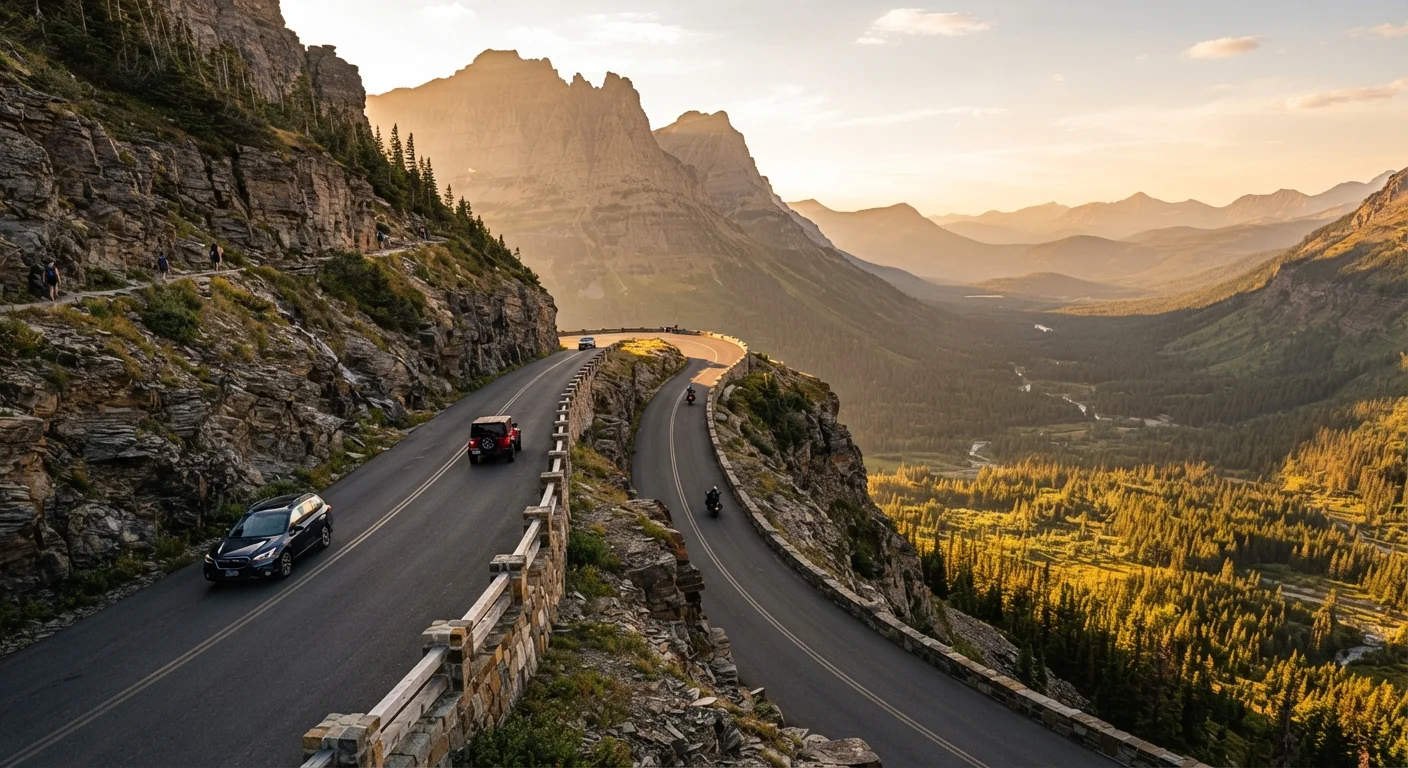
Photo credit: faqsnest.com
In this article
Elevation changes, heat, crosswinds, and winding cliffs all demand adjusted technique. Here's what changes when the road stops being routine.
Key Takeaways
- Mountain driving requires engine braking on descents to protect your brakes from overheating.
- Desert heat stresses cooling systems and tires — check both before entering remote stretches.
- Coastal roads often combine narrow lanes, crosswinds, and limited guardrails requiring slower speeds.
- Altitude affects engine performance and human alertness, especially above 8,000 feet.
- Planning rest stops and carrying extra water and fuel matters far more on unfamiliar terrain.
Why Familiar Driving Habits Fall Short Off the Beaten Path
Most American drivers learn on flat suburban roads or predictable interstate highways. Those environments reward one consistent set of habits: steady speed, smooth braking, wide sight lines. Switch the setting to a switchback climb in the Rockies or a two-lane desert highway in the Mojave, and those same habits can work against you.
The vehicle you know well behaves differently under new conditions. Grades, heat, elevation, and exposed wind all interact with your engine, tires, and braking system in ways that flat-road driving never tests. Understanding those interactions — before you hit the terrain — is what separates a confident drive from a stressful one. For broader trip preparation, see our complete American road trip guide.
Mountain Roads: Grades, Brakes, and Altitude
The most common mistake on mountain descents is riding the brakes continuously. Sustained brake pressure generates heat that can cause brake fade — a noticeable reduction in stopping power. The fix is engine braking: shift to a lower gear (or use the dedicated tow/haul or grade mode if your vehicle has one) and let the drivetrain absorb the descent. Use your brakes intermittently to control speed, not as the primary anchor.
On climbs, watch your temperature gauge. Towing, running the A/C hard, and sustained grades can push a cooling system toward its limits. If the gauge climbs unusually high, pull over safely and let the engine idle with the hood up — not off. Turning the engine off when it's overheated can trap heat and cause damage.
Altitude also matters. Above roughly 8,000 feet, older or naturally aspirated engines lose measurable power as the air thins. More importantly for the driver: reduced oxygen can bring on mild fatigue or headache faster than expected, especially if you've driven up quickly. Take your time, take breaks, and stay hydrated.
Use engine braking on mountain descents instead of continuous brake application.
Sustained brake use on long grades generates heat that reduces stopping power, a condition called brake fade. Engine braking uses the drivetrain to slow the vehicle, preserving brake effectiveness for when you truly need it.
Check tire pressure at the start of each desert day, before heat builds.
Tire pressure rises with temperature. A tire that starts the day at the correct cold pressure may be significantly over-inflated by midday, increasing blowout risk on hot pavement.
Keep both hands on the wheel and reduce speed when coastal crosswinds are present.
Ocean winds can shift direction unpredictably and push taller vehicles significantly out of lane position. A two-handed grip gives you faster corrective response and reduces drift risk.
Carry more water and extra fuel than you think you need on remote desert or mountain routes.
Service stops can be 60 to 100 miles apart on remote routes, and unexpected delays — a mechanical issue, a road closure, a missed turn — can extend your fuel and water needs significantly.
Slow down to a speed at which you can stop within your sight distance on blind coastal or mountain curves.
Posted speed limits on winding roads are set for geometry and typical conditions, but your actual safe speed depends on how far ahead you can see. An obstacle around a blind corner requires stopping distance you may not have at the posted limit.
Desert Driving: Heat, Distance, and What Can Go Wrong
Desert terrain looks simple — long flat roads, clear visibility — but it punishes unprepared vehicles. Heat accelerates tire pressure changes: tires that were properly inflated in a cool city morning can be significantly over-pressured by afternoon. Tire blowouts are disproportionately common on desert routes in summer months. Check your tire pressure at the start of the day rather than mid-route when tires are already heat-soaked.
Coolant and engine oil work harder in sustained high-heat conditions. Before a desert leg, confirm your coolant level and condition, and know where the nearest service towns are — because they may be 60 to 100 miles apart. Carrying extra water (for you and as a precaution for the radiator) and extra fuel is practical, not paranoid.
Mirages, heat shimmer, and glare can distort your perception of road surface and distance. Slow down earlier than feels necessary, and wear polarized sunglasses to cut glare. If the road surface ahead looks wet when the forecast is dry, you're seeing a mirage — the road is fine, but adjust your visual assumptions.
Coastal Roads: Wind, Narrow Lanes, and Cliff Edges
Coastal highways — think Pacific Coast Highway or the Florida Keys' Overseas Highway — combine breathtaking scenery with real technical demands. Crosswinds from the ocean can push a high-profile vehicle (SUVs, trucks, vans) noticeably off its lane position. Keep both hands on the wheel, especially crossing bridges or driving alongside open bluffs with no windbreak.
Many coastal roads are genuinely narrow. Passing is limited, guardrails are often absent on older sections, and the margin for error on cliff-side turns is small. Posted speed limits on these roads reflect the geometry — treat them as accurate, not conservative. Sight lines around blind corners are often blocked by rock faces or vegetation, so maintain a speed at which you can stop within the distance you can see.
Fog is common near the coast, particularly in early morning along Northern California or the Pacific Northwest. If visibility drops suddenly, slow down, use low-beam headlights (high beams reflect off fog and reduce visibility), and increase following distance substantially. For tips on how darkness and low-light conditions affect your driving, see our article on night driving and visibility.
Preparing Your Vehicle Before You Go
No amount of good driving technique compensates for a vehicle that isn't ready for the conditions. Before heading into mountain, desert, or coastal terrain, run through the basics: tire tread and pressure, brake condition, coolant level, windshield wipers, and fuel range relative to gas station availability on your route.
For mountain or high-altitude routes in winter or early spring, check whether chains or all-season tires are required or recommended — many mountain passes post seasonal requirements. For desert routes, know the hours of peak heat and consider driving the most remote sections in the early morning.
Our car maintenance hub covers the core vehicle checks worth building into any pre-trip routine. And if you're new to solo travel or tackling an ambitious route for the first time, the solo road tripping guide pairs well with this one.
Unfamiliar terrain is worth the effort. The roads that challenge you most often lead to the views you'll remember longest — provided you arrive with your vehicle in good shape and your technique adjusted for what the road actually demands.

Author
Cars & Driving Editorial Team
Cars & Driving Editorial Team is the collective byline for our editorial team and contributor network. Articles published under this byline or an editorial pen name are researched, written, and reviewed according to our editorial standards for clarity, consistency, and independence before publication.
View all articles →