
Solo Road Tripping as a First-Timer
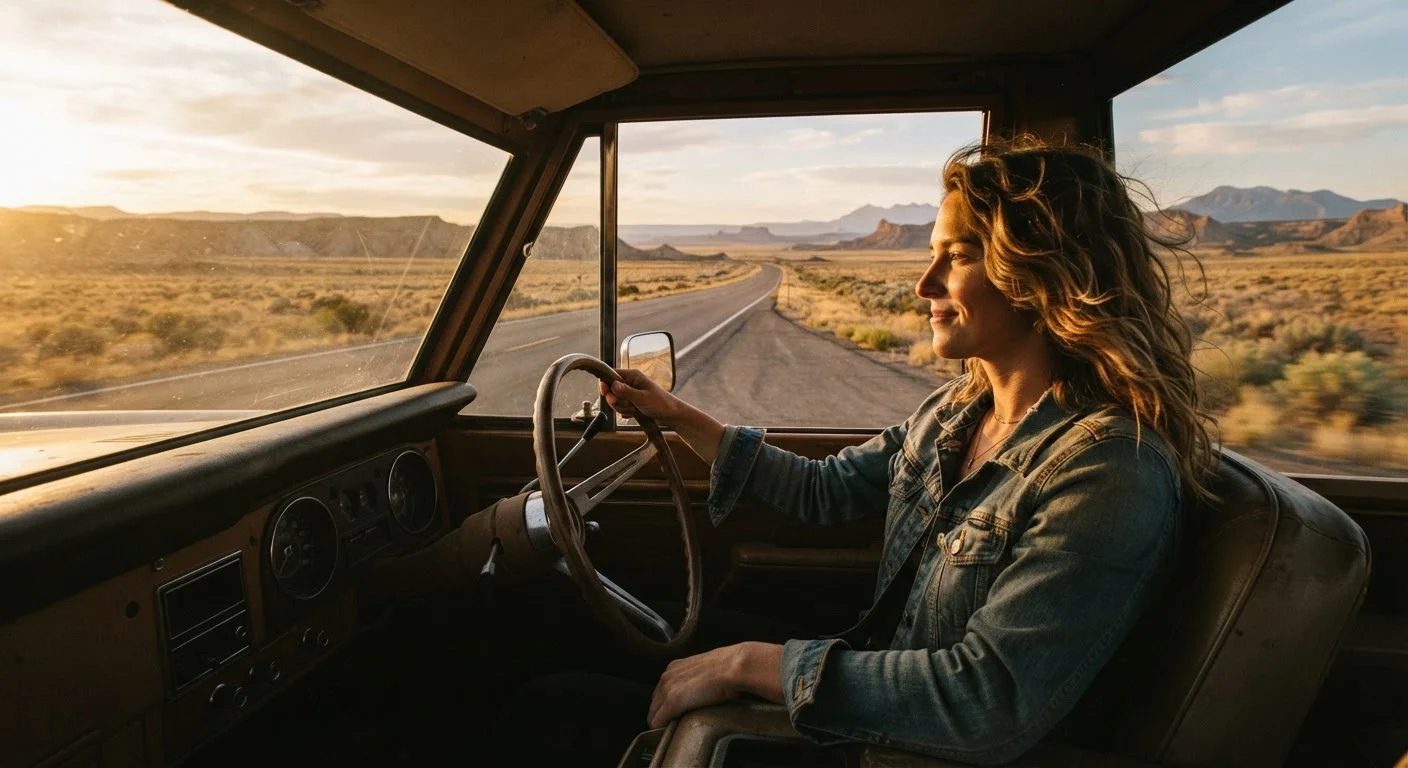
Photo credit: faqsnest.com
In this article
Everything a first-time solo road tripper needs to know — from route planning and solo safety habits to staying mentally fresh on long drives.
Key Takeaways
- Solo trips demand more personal planning but give you complete flexibility over route and pace.
- A pre-trip vehicle check is non-negotiable — breakdowns are more stressful when you're alone.
- Sharing your itinerary with someone at home is one of the simplest solo safety steps you can take.
- Mental fatigue is a real driving hazard; plan regular stops every two hours regardless of how you feel.
- Starting with a shorter 2–3 day route builds confidence before tackling cross-country distances.
Why Solo Road Trips Are Worth Trying
There's a version of the American road trip that doesn't require a travel partner, a shared playlist, or anyone else's opinion on where to stop for lunch. Solo road tripping strips the experience down to its most fundamental form: you, the car, and wherever the road leads.
The appeal isn't just freedom, though that's part of it. Solo driving forces you to be fully present — to notice the landscape, make quick decisions, and trust your own instincts in ways that group travel rarely demands. Many first-timers discover they're more capable and resourceful than they expected.
That said, going it alone does require more deliberate preparation than sharing a trip with others. You won't have a co-pilot to read the map, spot a gas station, or take the wheel when you're tired. The guide below walks you through everything you need to get started confidently.
If you're still deciding whether solo travel suits your personality, the mindset principles in getting started as a self-directed learner apply surprisingly well here — start small, set a clear goal, and don't wait until conditions feel perfect.
Planning Your Route as a First-Timer
Route planning is where solo trips succeed or fail before you even leave the driveway. The mistake most first-timers make is overestimating how much ground they can cover comfortably in a day without a co-driver.
Choose a manageable first trip
A 2–3 day loop within a few hundred miles of home is an ideal starting point. You'll get a real sense of solo travel dynamics without committing to a week-long journey. Once you know your comfortable daily driving range and how you handle overnight planning alone, longer trips become much less daunting.
Build in flexibility
Rigid itineraries create stress. Mark the destinations or stops you genuinely don't want to miss, and leave the rest loosely scheduled. Solo driving is easier when you're not racing a clock.
For a thorough framework on structuring daily mileage and pacing over multiple days, see the multi-day road trip planning guide. And if you want to trade interstate speed for something more memorable, scenic routes worth taking instead of the interstate is a good place to find alternatives.
Download Offline Maps Before You Go
Cell coverage on scenic and rural routes can be unreliable. Download your route's offline maps in Google Maps or a similar app before leaving home so navigation keeps working even without a signal. It takes a few minutes and has saved many solo trips from unnecessary stress.
Getting Your Car Ready
A breakdown is inconvenient when you're traveling with others. Alone, it's significantly more stressful. Addressing your vehicle's condition before departure is one of the highest-return investments you can make.
What to check before you leave
- Tires: Check pressure (including the spare) and look for uneven wear or visible damage.
- Fluids: Engine oil, coolant, brake fluid, and windshield washer fluid should all be at correct levels.
- Lights: Walk around the car with all lights on — headlights, brake lights, turn signals.
- Battery: If your battery is more than three years old, consider having it tested before a long trip.
- Brakes: Any squealing, grinding, or pulling to one side should be inspected by a qualified mechanic before you leave.
The car maintenance hub covers the essentials of keeping your vehicle dependable for long-distance driving. If any of the above items give you pause, schedule a shop visit — not a YouTube tutorial — before departure.
Solo Safety Habits That Actually Matter
Solo driving safety isn't about being paranoid. It's about building habits that reduce risk without turning every stop into an ordeal.
Tell someone your plan
Before you leave, share your basic itinerary — starting point, planned route, overnight stops, and expected return date — with a friend or family member. Check in at the end of each day. This doesn't require a tracking app; a quick text message is enough.
Keep documents and emergency gear accessible
Your insurance card, registration, and a roadside emergency kit should be easy to reach without digging through luggage. A portable phone charger and a small flashlight belong in the cabin, not buried in the trunk.
Be thoughtful about where you stop after dark
Well-lit rest areas, gas stations attached to convenience stores, and hotel parking lots are generally better choices than remote pullouts for late-night stops. Trust your instincts — if a location feels wrong, keep driving.
If your route includes mountain passes, desert stretches, or coastal cliff roads, the driving demands change considerably. driving in unfamiliar terrain covers what to adjust in those conditions.
Staying Mentally Fresh on Long Drives
Driver fatigue is one of the most underestimated hazards on long trips, and it hits solo drivers harder because there's no one to notice the signs. Drowsiness reduces reaction time and decision-making ability in ways that closely parallel impairment — and it can't simply be willed away.
The two-hour rule
Plan a stop every 90 minutes to two hours, regardless of how you feel. Get out of the car, walk around, drink water. Even a five-minute break resets your alertness in a meaningful way.
Manage your audio environment
Podcasts, audiobooks, and music playlists serve double duty: they make miles pass more enjoyably and give your mind something to engage with besides the monotony of an empty highway. Rotate between them to avoid zoning out.
Eat and drink strategically
Heavy, high-carbohydrate meals are reliably sleep-inducing. Save the big meals for the end of your driving day. Keep water and light snacks within reach so you're not stopping every hour for fuel and food separately.
If you feel genuinely drowsy, pull over safely at the next appropriate spot. A 20-minute nap in a rest area is a far better choice than pushing through on a highway.
Making the Most of the Experience
Solo road tripping has a way of rewarding people who show up with curiosity rather than a checklist. Some of the best moments on any solo trip are the unplanned ones — a roadside viewpoint with no other cars parked, a diner with a two-page menu and a good counter seat, a detour down a state highway that turns out to be better than the main route.
Go in with a loose plan and an open mind. Take photos for yourself, not for anyone else. Eat at places that look interesting rather than familiar. And don't fill every minute — some of the mental clarity people associate with solo road trips comes from the quiet stretches when there's nothing to do but drive and think.
For a broader look at how everything fits together — budgeting, navigation, packing, and making the most of each day on the road — The American Road Trip complete guide is a useful next read once you've decided your route and dates.
Your first solo trip will almost certainly teach you something about how you travel that no guide can fully anticipate. That's not a flaw in the plan — it's the point.
Frequently Asked Questions

Author
Cars & Driving Editorial Team
Cars & Driving Editorial Team is the collective byline for our editorial team and contributor network. Articles published under this byline or an editorial pen name are researched, written, and reviewed according to our editorial standards for clarity, consistency, and independence before publication.
View all articles →