
Long-Distance Driving With Kids: Managing the Reality
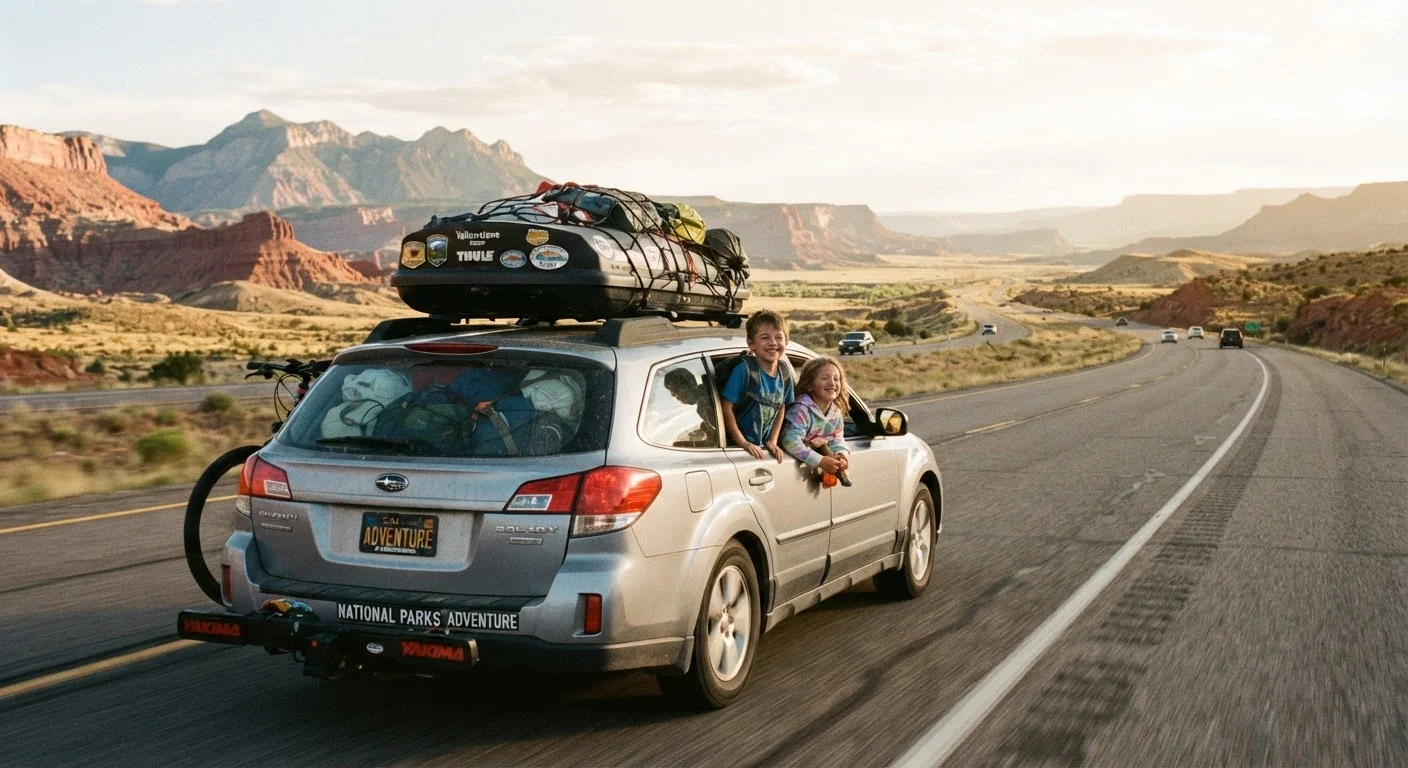
Photo credit: faqsnest.com
In this article
Realistic guidance on pacing, engagement, and rest stops when driving long distances with children — built around their needs, not just the itinerary.
Key Takeaways
- Plan daily driving around 6–7 hours maximum when traveling with young children.
- Scheduled rest stops every 90–120 minutes help prevent meltdowns and restlessness.
- Engagement strategies work best when matched to the child's age and attention span.
- Flexible itineraries reduce stress when kids need unexpected breaks or extra time.
- Driver fatigue is a real safety concern — share driving duties whenever possible.
Why Family Road Trips Require a Different Mindset
Long-distance driving with children isn't simply driving with extra passengers. It's a fundamentally different logistical exercise — one where the emotional climate inside the car directly affects safety outside of it. A driver distracted by backseat conflict, a child in genuine distress, or the accumulated tension of a poorly paced day is a driver whose attention is compromised.
The single most productive shift you can make before departure is abandoning the idea that this trip should cover the same ground at the same pace you'd manage alone. It won't, and that's fine. The solo road trip experience is genuinely different from a family one — different rhythms, different needs, different markers of success. Once you accept that a family road trip is its own kind of journey, the planning gets easier and the expectations become realistic.
Children, depending on age, have limited capacity to self-regulate boredom, discomfort, and hunger in a moving vehicle. That's not a character flaw — it's biology. The adult job is to structure the environment so those needs don't compound into a crisis while the vehicle is in motion.
Let Kids Have Input on the Route
Giving children a small say — choosing between two rest stop options or picking a lunch spot from a short list — builds buy-in and reduces the feeling that the trip is just something happening to them. Even toddlers respond well to simple choices that make them feel included.
Before You Leave: What to Have Ready
Preparation done the day before departure saves significant friction on the road. Verify your car seats are properly installed and fitted for each child — not just assumed to be fine from last time. Check that your vehicle is road-ready: tire pressure, oil level, and that the spare tire is accessible and inflated.
What you will need
Pack the car the night before if possible. Scrambling the morning of departure with tired or excited kids underfoot is a recipe for forgotten items and a frayed start. Load entertainment and comfort items in a way that's reachable from the back seat without full unpacking.
Physical activity bag
Holds small items like jump ropes or a ball for use during rest stops to let kids burn energy.
Offline-capable tablet or device
Provides movies, audiobooks, and games without depending on spotty cellular coverage.
Snack organizer or small cooler
Keeps food accessible from the back seat without requiring full stops for hunger.
Portable white noise device or app
Helps younger children nap in the car despite road noise and sibling activity.
Paper maps or printed route notes
Keeps older kids engaged by letting them follow along and track progress.
On the Road: The Practical Reality
Even the best preparation meets the real trip about an hour in. Children will ask if you're there yet before you've cleared the city limits. That's normal. The steps above give you a framework, but the day-to-day reality demands patience and the willingness to adapt.
Set a realistic daily mileage cap
Before you map a single mile, anchor your plan to what your kids can realistically handle — not what the fastest adult-only pace would allow. A general guideline for families with young children is to cap driving at around six to seven hours per day, spread across multiple legs. That number drops further with toddlers or infants. See our common reasons road trips run behind schedule for context on why even adult-only trips frequently take longer than projected.
Build in rest stops every 90–120 minutes
Children's bodies and attention spans demand breaks far more frequently than adults instinctively plan for. Set a firm rule: the car stops at least every 90 to 120 minutes, regardless of how things seem to be going. Use those stops for genuine physical activity — running, jumping, stretching — not just a bathroom visit and back in the seat. Even 10 minutes of movement resets the mood noticeably.
Prepare age-matched engagement for the car
Screen time is a legitimate tool on long drives, but layering in alternatives keeps things from going stale. For children under five, audiobooks with simple stories and quiet tactile toys (avoid small pieces) work well. School-age kids often engage with road trip games like the license plate game, I Spy variants, or trivia matched to their level. Older children may enjoy following along on a physical map or contributing to a simple travel journal. Pre-download media before leaving — rural stretches offer unpredictable cell coverage.
Pack snacks and manage hunger proactively
Hunger is one of the fastest triggers for backseat friction. Keep snacks in a dedicated bag or organizer that kids or a front-seat passenger can reach without a full stop. Prioritize foods that don't crumble excessively, require refrigeration, or create strong odors in a closed car. Hydration matters too, but balance it against the stop frequency you've already built in — small, consistent sips are easier to manage than large drinks between stops.
Time driving around nap and sleep schedules
For families with infants or toddlers, strategic timing is one of the highest-leverage tools available. Plan your longest driving stretches to overlap with nap times or nighttime sleep. Many families find that departing very early in the morning or right around a child's established nap window results in significantly calmer early hours. This requires adjusting your own schedule, but the reduced conflict is typically worth it.
Keep the itinerary genuinely flexible
A tight, hour-by-hour plan will almost certainly unravel. Build buffer time into each day — at minimum an extra hour beyond what you calculate. Identify one or two points along the route where, if things go sideways, you can stop early without the trip collapsing. Our guide to planning a multi-day road trip across America walks through how to structure days with realistic pacing for the whole trip.
Manage the driver's own fatigue actively
Parenting in the car — answering questions, mediating arguments, passing snacks — adds a significant cognitive load on top of driving. If you have a co-driver, rotate every two hours or less. Solo drivers should be especially disciplined about stopping before fatigue sets in, not after. Recognize the signs: slower reaction, difficulty staying in lane, missing exits, or irritability. A 20-minute stop outperforms powering through every time.
If your route takes you through unfamiliar terrain — mountain passes, desert stretches, coastal highways — those conditions add an extra layer of driver demand. Our guide on driving in unfamiliar terrain covers how road conditions shift your attention requirements and technique.
Driver Fatigue Puts Everyone at Risk
Managing kids in the car is mentally taxing on top of the physical demands of driving. Never push through exhaustion to meet a self-imposed arrival time. Pull over at a rest area or overnight stop rather than driving impaired by fatigue — no schedule is worth the risk.
Don't Skip Proper Restraints for Comfort
It can be tempting to loosen or remove car seat harnesses on long drives when children complain of discomfort. Resist this. Correct installation and fit should be verified before the trip, and restraints must stay properly buckled while the vehicle is moving — regardless of how far you still have to go.
The goal isn't a perfect trip — it's an honest one. Kids remember surprising details about road trips: the rest stop with the weird statue, the diner that had the milkshakes, the unexpected roadside overlook. Build in enough slack to notice those things, and the miles tend to take care of themselves.

Author
Cars & Driving Editorial Team
Cars & Driving Editorial Team is the collective byline for our editorial team and contributor network. Articles published under this byline or an editorial pen name are researched, written, and reviewed according to our editorial standards for clarity, consistency, and independence before publication.
View all articles →