
Streaming Fatigue Is Real: The Psychology Behind Too Much Choice
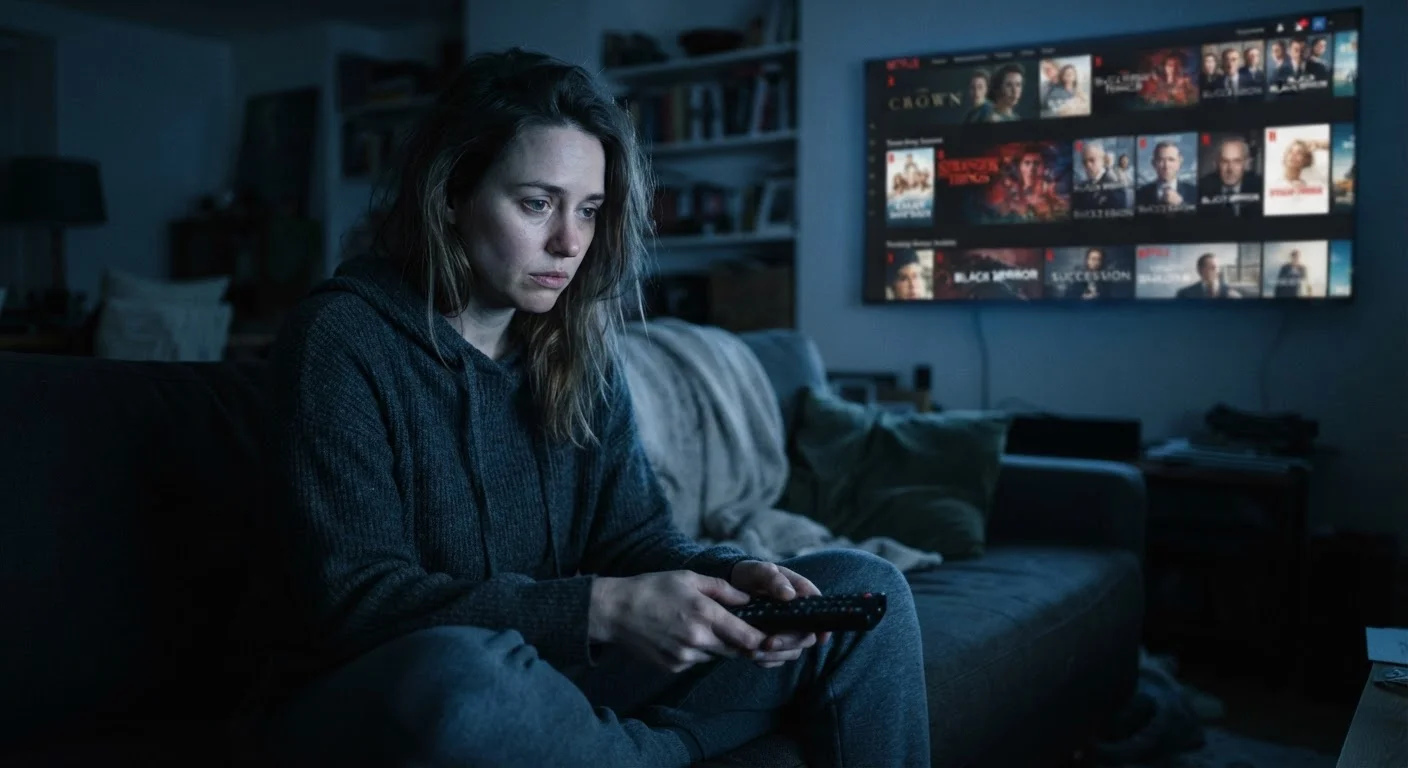
Photo credit: faqsnest.com
In this article
Explore why an abundance of streaming content often leads to decision paralysis — and what behavioural research says about it.
Key Takeaways
- Too many choices can reduce satisfaction rather than increase it — a well-documented psychological effect.
- Streaming platforms now offer tens of thousands of titles, far exceeding what audiences can meaningfully evaluate.
- Decision paralysis often leads viewers to default to rewatching familiar content instead of exploring new titles.
- Recommendation algorithms help narrow choices but can also create filter bubbles that limit discovery.
- Setting intentional viewing habits can reduce the cognitive burden of navigating streaming libraries.
The Paradox at the Heart of Streaming
The promise of streaming was radical simplicity: every film, series, and documentary ever made, available instantly, on any device. Instead, audiences increasingly report a counterintuitive frustration — the more content there is, the harder it becomes to watch anything at all.
This is not a personal failing. It reflects a well-documented tension in behavioral psychology between abundance and satisfaction. Psychologist Barry Schwartz argued in his research on consumer decision-making that beyond a certain threshold, additional options impose cognitive costs that outweigh their benefits. Evaluating more choices requires more mental effort, increases the risk of regret, and ultimately reduces how satisfied people feel with whatever they pick — even if the chosen option is objectively good.
Applied to streaming, this dynamic plays out every evening. A viewer opens a platform, faces a homepage with hundreds of algorithmically ranked thumbnails, and — despite genuinely wanting to watch something — closes the app twenty minutes later having chosen nothing. That experience has a name: decision paralysis. And it is becoming one of the defining frustrations of the on-demand era. To understand how the streaming landscape got this crowded, see our explanation of the streaming wars.
Why Abundance Backfires
The cognitive science behind streaming fatigue draws on several intersecting mechanisms.
Opportunity cost anxiety is the discomfort of knowing that choosing one option means forgoing all the others. When a library contains 50 titles, the opportunity cost of choosing one is manageable. When it contains 50,000, every choice implicitly rejects thousands of alternatives — and the brain registers that loss, even subconsciously.
Evaluation overload compounds this. Making a good decision requires comparing options, but meaningful comparison has limits. Research in cognitive psychology suggests people can actively hold only a small number of competing options in working memory at once. Streaming interfaces, which surface dozens of titles simultaneously, routinely exceed that threshold.
Anticipated regret also plays a role. Viewers who sense they might have made a suboptimal choice — that a better show is hiding somewhere in the library — often report lower satisfaction with content they did enjoy. The awareness of unrealized alternatives diminishes the actual experience.
~50%
Subscribers who report spending more time browsing than watching
Industry surveys conducted in the early 2020s consistently found that a substantial proportion of streaming subscribers described browsing as a frustrating, time-consuming experience rather than an enjoyable one.
3–5 min
Average time before viewers abandon browsing
Research cited by streaming industry analysts has indicated that many viewers disengage from a platform's homepage within a few minutes if they cannot identify something appealing — underscoring how narrow the discovery window actually is.
40%+
Share of streaming viewing that is content rewatches
Audience measurement studies have estimated that a significant portion of total streaming consumption consists of viewers returning to content they have already seen, reflecting the preference for certainty over exploration.
The shift from scheduled linear television to on-demand viewing removed a built-in editorial filter. Broadcasters once made difficult choices on viewers' behalf; the streaming model transfers that cognitive labor to the audience. For a broader look at how that transition unfolded, our analysis of linear TV versus on-demand streaming traces the decade-long shift in viewing habits.
The Role of Algorithms — Help or Hindrance?
Streaming platforms are acutely aware of the browsing problem. Recommendation algorithms exist precisely to reduce the effective decision space — presenting a curated slice of the total library rather than the full catalog. In theory, a well-tuned algorithm should eliminate most of the cognitive overhead by surfacing only the content most likely to resonate with a specific viewer.
In practice, the results are mixed. Algorithms excel at identifying patterns in past behavior, but that strength becomes a limitation when viewers want to discover something genuinely new. A system optimized for engagement tends to reinforce existing tastes rather than expand them, creating what researchers sometimes call a 'filter bubble' — a personalized environment that feels comfortable but constrains exploration.
There is also an transparency problem. Viewers frequently cannot tell why a particular title has been recommended, which reduces trust in the suggestion. A recommendation that feels arbitrary or intrusive can paradoxically increase decision anxiety rather than resolve it. Our plain-language explainer on streaming algorithms breaks down exactly how these systems work and what they prioritize.
Behavioral Responses: How Viewers Adapt
Faced with chronic choice overload, audiences have developed a range of coping strategies — some deliberate, some unconscious.
Rewatching is among the most common. Familiar content eliminates all evaluation effort: the viewer already knows the outcome is satisfying. This 'satisficing' behavior — accepting a known-good option to avoid the risk of a worse unknown — is a rational response to high cognitive load, even if it frustrates the platforms that invested heavily in new original content.
Social curation has also become a significant force. Word-of-mouth recommendations from friends, colleagues, or social media function as trusted editorial filters, bypassing the algorithm entirely. A recommendation from a trusted source carries an implicit quality endorsement that a platform thumbnail cannot replicate.
Subscription cycling — subscribing to one or two services, watching specific content, then canceling and switching — is a behavioral response to platform proliferation. Rather than maintaining simultaneous subscriptions, some viewers treat streaming services as finite libraries rather than permanent utilities. This pattern is explored further in our guide for new cord-cutters navigating streaming options.
It is worth noting that streaming fatigue does not exist in isolation — the same psychological patterns that make over-choice exhausting in entertainment contexts appear in broader life decisions too. Our piece on how overcommitment quietly drains your energy examines related dynamics in everyday decision-making.
What This Means for the Industry — and for Viewers
Streaming fatigue is not merely an individual inconvenience; it has structural consequences for the entertainment industry. Platforms that fail to solve the discovery problem risk losing subscribers not to competitors but to disengagement — viewers who simply stop paying for services they no longer actively use.
Some platforms have responded by investing in editorial curation: human-generated collections, themed categories, and prominently featured 'staff picks' that mimic the function of a trusted recommendations source. Others have experimented with reducing library size, licensing fewer titles but promoting them more aggressively. Neither approach has fully resolved the tension between breadth and accessibility.
For viewers, the most effective interventions are behavioral rather than technological. Researchers who study decision fatigue generally suggest that pre-committing to choices — deciding what to watch before sitting down, maintaining a personal watchlist, or agreeing on a title with a viewing partner in advance — significantly reduces the in-session cognitive burden. Limiting the number of active subscriptions also meaningfully shrinks the decision space.
Streaming fatigue is, ultimately, a symptom of an industry that built its value proposition on volume and is now grappling with the psychological costs of that strategy. Understanding the behavioral science behind it is the first step toward navigating the modern entertainment landscape with more intention — and more actual enjoyment.
Frequently Asked Questions

Author
Entertainment & Media Editorial Team
Entertainment & Media Editorial Team is the collective byline for our editorial team and contributor network. Articles published under this byline or an editorial pen name are researched, written, and reviewed according to our editorial standards for clarity, consistency, and independence before publication.
View all articles →