
What 'Windowing' Means in the Streaming Era — and Why It Still Shapes What You Can Watch
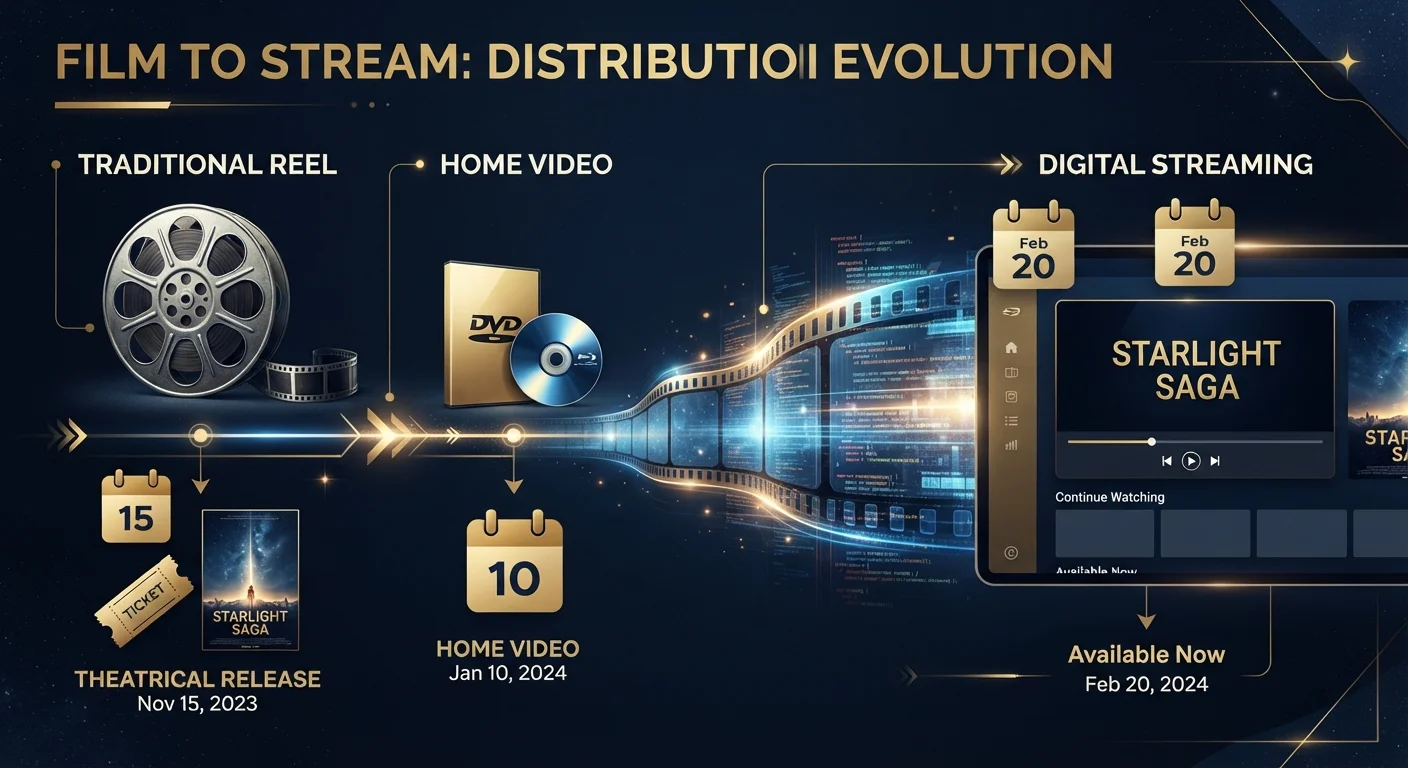
Photo credit: faqsnest.com
In this article
Understand how release windowing strategies determine when films and shows appear on streaming platforms after theatrical or broadcast runs.
Key Takeaways
- Windowing is a revenue-maximization strategy that staggers content release across multiple distribution platforms.
- The traditional 90-day theatrical window has shortened considerably in the streaming era.
- Studios negotiate windowing agreements directly with theater chains and streaming platforms.
- Premium Video on Demand (PVOD) emerged as a middle tier that disrupted the traditional window structure.
- Windowing decisions directly affect when subscribers can watch a title on their preferred platform.
- Some films now bypass theatrical windows entirely, going straight to streaming — though this affects cultural reception.
The Basics: How Windowing Works
For most of Hollywood's modern history, the path a film took from cinema screen to your living room followed a predictable, layered sequence. A movie would open in theaters, play for several weeks, then migrate to DVD and Blu-ray retail, then pay-per-view cable, then premium cable channels, and finally to broadcast or basic cable. Each stage was separated by time — often months — and each stage was designed to extract the maximum possible revenue from a progressively broader and less price-sensitive audience.
This sequence is windowing. Think of it as a controlled scarcity model: the exclusive theatrical experience commands the highest price, and as exclusivity shrinks, so does the price consumers pay. The system benefited studios, theater owners, home video retailers, and cable networks — all of whom had a defined, protected moment in the chain.
For a deeper look at the terminology that structures this industry, see our streaming industry glossary, which covers related concepts like SVOD, AVOD, and content spend.
~45 days
Current average theatrical window for wide releases
Down from the historic 90-day standard; reported by trade publications including Variety and The Hollywood Reporter following post-pandemic renegotiations between major studios and theater chains.
17 days
Shortest theatrical window tested during pandemic
Several studios experimented with windows as short as 17 days during 2020 and 2021, when cinema attendance collapsed globally due to COVID-19 restrictions.
$20–$30
Typical PVOD rental price at launch
Premium Video on Demand pricing during early digital availability has generally ranged in this band, significantly above standard digital rental prices of $3–$6 for older titles.
How Streaming Disrupted — but Didn't Destroy — the Window
The rise of subscription streaming services fundamentally altered where the final windows in this chain sat. Streaming replaced the broadcast and basic cable tiers, then crept upward to challenge premium cable. The critical question for the industry became: how short could the theatrical window get before theater chains refused to show a film at all?
That tension came to a head during the COVID-19 pandemic. With cinemas closed globally, studios experimented with releasing films directly to streaming or through PVOD at dramatically reduced windows. Universal Pictures released Trolls World Tour simultaneously on-demand in April 2020, triggering a widely publicized dispute with AMC Theatres. The episode made clear that the window wasn't just tradition — it was an economic contract between studios and exhibitors.
Post-pandemic, a new equilibrium emerged. Most major studios now operate with a theatrical window of roughly 45 days for wide releases, down from the historic 90-day standard. Some prestige films negotiate longer windows; smaller or mid-budget titles may move faster. The shift reflects streaming platforms' hunger for fresh content and subscribers' growing expectation of rapid availability.
For broader context on how cinemas have adapted to these pressures, see our analysis of theatrical exhibition in the streaming era.
The Premium VOD Layer and Why It Matters
Between the theatrical run and standard streaming availability, a relatively new tier emerged: Premium Video on Demand, or PVOD. Rather than waiting for a title to land on a subscription service, consumers can pay a higher one-time fee — historically ranging from roughly $20 to $30 — to rent or purchase a film digitally, often 30 to 45 days after its theatrical debut.
PVOD disrupted the clean linearity of traditional windowing by inserting a premium digital tier that competes slightly with late-stage theatrical attendance. It benefits studios by capturing revenue from audiences who want early access but aren't going to cinemas, and it benefits streaming platforms by creating anticipation before a film arrives in the subscription library. For consumers, it offers flexibility at a price.
The existence of PVOD also reflects how windowing has evolved from a rigid schedule into a negotiable, title-by-title strategy. A blockbuster with strong theatrical legs might stay in cinemas for 60 or more days before a PVOD release; a smaller film might skip directly from a short theatrical run to PVOD within three weeks.
Streaming Originals and the Window That Isn't There
Not all content enters the windowing system. Films and series produced directly for a streaming platform — commonly called originals or exclusives — bypass the theatrical chain entirely. Netflix, Apple TV+, Amazon Prime Video, and others have built substantial production arms that deliver content straight to subscribers without a traditional window structure.
This has significant cultural and critical implications. Films released without a theatrical run historically faced skepticism from awards bodies, though that resistance has softened considerably — streaming originals have won Academy Awards and top festival prizes. But how a film's release format shapes its legacy and critical reception remains a genuine and ongoing debate within the industry.
It's also worth noting that some streaming platforms have begun giving their originals brief theatrical releases — not necessarily to generate box office revenue, but to qualify for awards and generate press attention. This represents a strategic use of the theatrical window as a marketing tool rather than a revenue channel.
Release cadence decisions — including windowing — also intersect with how platforms structure their content drops. Whether a series drops all at once or episode-by-episode shapes audience engagement in distinct ways that complement these broader distribution choices.
Why Windowing Still Shapes What You Can Watch
Understanding windowing explains several frustrating realities of modern streaming. It explains why a film you heard about months ago still isn't on the service you subscribe to. It explains why some titles appear briefly on a premium tier before moving to a standard subscription library. And it explains why two streaming services might hold rights to the same film in different windows — one for early digital access, another for long-term library availability.
Windowing decisions also interact directly with the competitive dynamics among streaming platforms. The intensifying competition between streaming services has made exclusive windowing agreements a strategic weapon — platforms negotiate to be the first streaming home for high-profile titles, using that exclusivity to drive subscriptions.
For consumers, the practical takeaway is that a title's absence from your platform of choice is rarely accidental. It reflects a deliberate commercial calculation — one shaped by theatrical agreements, licensing deals, and competitive positioning. Windowing, in other words, is not a technical glitch. It is the architecture of modern content distribution, quietly governing what you can watch and when.
Frequently Asked Questions

Author
Entertainment & Media Editorial Team
Entertainment & Media Editorial Team is the collective byline for our editorial team and contributor network. Articles published under this byline or an editorial pen name are researched, written, and reviewed according to our editorial standards for clarity, consistency, and independence before publication.
View all articles →