
Binge-Watching vs. Weekly Release Schedules: What Each Model Does to Viewer Engagement
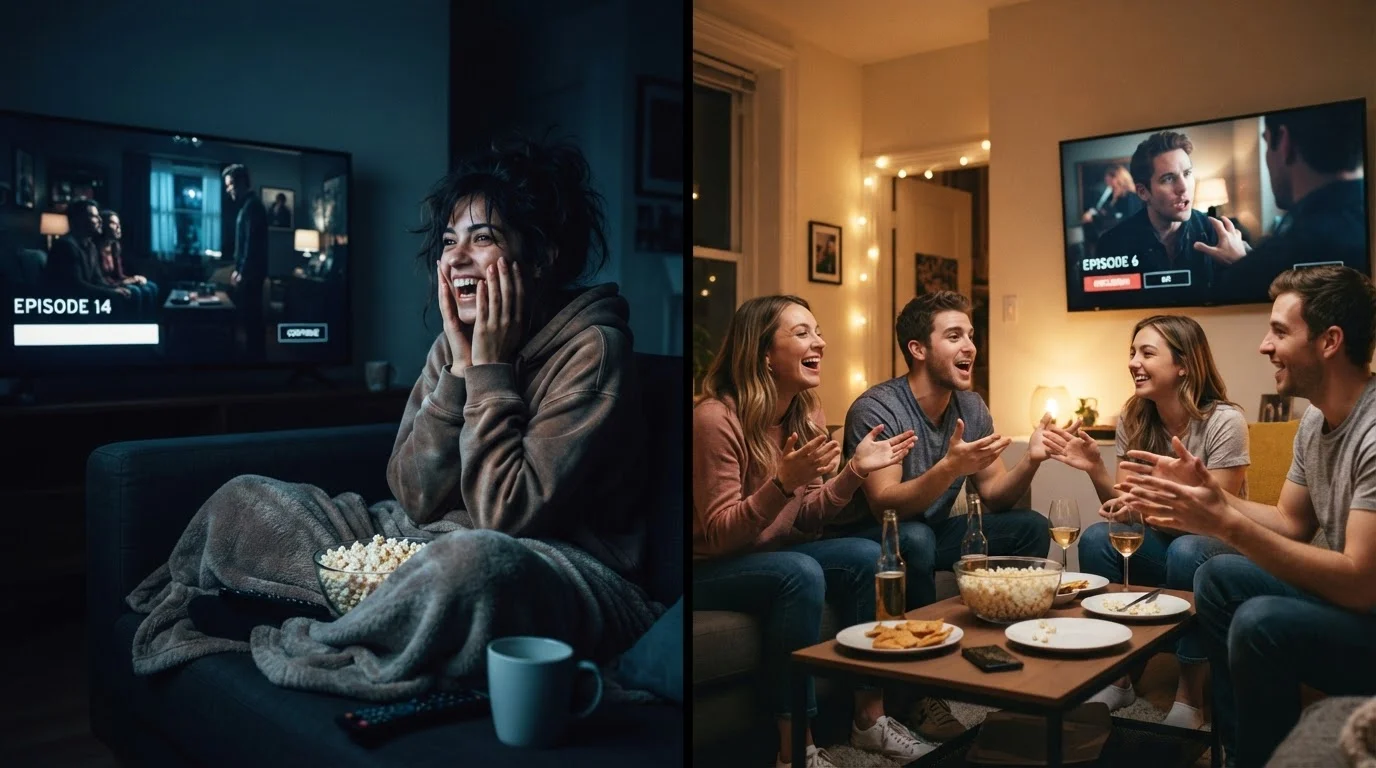
Photo credit: faqsnest.com
In this article
Compare how dropping full seasons at once versus weekly episodes affects audience conversation, retention, and cultural impact.
Key Takeaways
- Binge-dropping full seasons drives immediate viewership spikes but compresses the window for cultural conversation.
- Weekly release schedules sustain audience engagement over time and generate more sustained social media discussion.
- Each model reflects different business priorities — subscriber acquisition versus long-term retention and buzz.
- Genre and storytelling format often determine which release strategy a show benefits from most.
- Hybrid release models are emerging as platforms attempt to capture the advantages of both approaches.
How Release Strategy Became a Creative and Business Decision
When Netflix released all thirteen episodes of House of Cards at once in 2013, it wasn't simply making a logistical call — it was staking out a philosophy of how television could work. The binge model was a declaration that viewers, not broadcasters, should control the pace of storytelling. A decade later, the industry has fractured into competing camps, with some platforms doubling down on the binge approach while others — including Netflix itself for certain flagship titles — have returned to weekly scheduling.
Understanding this divergence requires looking beyond viewer preference alone. Release strategy sits at the intersection of narrative design, platform economics, and cultural influence. The choice between dropping a full season and parceling out episodes weekly shapes everything from how writers structure cliffhangers to how long a show dominates social media. For audiences interested in how entertainment consumption is evolving, this tension is one of the most consequential ongoing debates in the industry. See also how platform competition shapes these decisions at a structural level.
What Binge-Dropping Does to Viewer Behavior
Full-season releases create a distinct consumption pattern: intense, concentrated viewing often compressed into days or even a single weekend. This model leverages what behavioral researchers describe as "narrative transportation" — the deep immersive state that makes it genuinely difficult to stop watching. Streaming platforms benefit from this urgency because it drives immediate subscription sign-ups around marquee launches.
However, the binge model has a structural weakness: it burns through its cultural moment quickly. A show released all at once tends to generate an enormous spike in conversation during the first week, then rapidly fades from public discourse. Audiences who finish at different paces struggle to discuss episodes without spoiler anxiety, which can fragment rather than unite communities around a shared experience. This dynamic connects directly to broader patterns in how digital media shapes attention — a theme explored in the analysis of viral media and American attention spans.
| Binge-Watching Model | Weekly Release Schedule | |
|---|---|---|
| Viewer engagement pattern | Intense, concentrated burst | Sustained week-over-week return |
| Social media conversation | Short spike, rapid decline | Extended discussion across the run |
| Spoiler risk | High — audiences finish at different times | Lower — shared episode cadence |
| Subscriber impact | Drives rapid acquisition | Supports long-term retention |
| Best narrative fit | Long arcs, immersive character studies | Mystery, thriller, prestige drama |
| Cultural longevity | Often fades quickly | Builds over the season's run |
| Viewer control | Maximum — self-paced | Limited — tied to release cadence |
From a storytelling standpoint, the binge model tends to reward novelists' pacing — long arcs, dense character development, and season-wide mysteries that pay off only when consumed whole. It can also pressure writers to front-load tension, since viewers who lose momentum in episode three simply move on to something else rather than returning the following week out of habit.
What Weekly Scheduling Does to Cultural Conversation
The weekly release model is, in many respects, a deliberate recreation of the appointment television that defined broadcast's golden era — but with streaming's on-demand infrastructure underneath it. Shows like Andor, The Bear in some of its seasons, and HBO's prestige dramas have demonstrated that spacing episodes creates something binge-drops struggle to replicate: a sustained communal experience.
When audiences watch the same episode simultaneously and then wait together, the conversation between episodes becomes part of the entertainment itself. Fan theories proliferate, recap culture flourishes, and the show maintains a presence in the cultural conversation for months rather than weeks. This model suits prestige dramas that reward patience and repeat analysis far better than procedural formats.
Consider the Show's Built-In Audience
Platforms often tailor release strategy to whether a title is launching a new franchise or extending an established one. New intellectual properties frequently benefit from binge access to reduce the barrier for undecided viewers, while beloved returning series can leverage weekly anticipation to sustain engagement. Recognizing this pattern can help audiences understand why a platform's choices feel inconsistent across its catalog — they usually aren't arbitrary.
The weekly model also provides platforms with a different kind of metric value: sustained daily active users returning to the platform each week, rather than a single massive burst followed by churn. For subscriber retention — a growing priority as the streaming market matures — this stickiness has measurable economic significance.
Genre, Narrative Structure, and the Right Fit
Not every story benefits equally from either approach. Genre and narrative architecture are probably the most reliable predictors of which release model serves a show best.
- Mystery and thriller series tend to thrive under weekly scheduling because the gap between episodes sustains speculation and dread. The waiting itself becomes part of the experience.
- Comedy and anthology formats are often well-suited to binge consumption, where viewers can move at their own pace without requiring the communal anticipation that drama relies on.
- Limited series and miniseries occupy an interesting middle ground — their finite scope makes binge-watching feel satisfying, but their often high-stakes narratives can benefit from the breathing room a weekly schedule provides.
- Reality competition shows on streaming platforms have largely retained weekly drops precisely because the format depends on collective elimination conversations.
The release format also intersects with how a show is remembered long-term. Research and criticism around how release windows shape cultural legacy suggest that concentrated consumption can actually diminish critical re-evaluation — viewers move on before the cultural sediment settles.
The Rise of Hybrid Models and What They Signal
Platforms have begun experimenting with hybrid strategies that try to capture the advantages of both models. One common approach releases two or three episodes simultaneously to create an immersive hook, then shifts to weekly drops for the remainder of the season. Netflix used this structure for several of its higher-profile titles, while Disney+ and Amazon Prime Video have leaned into weekly scheduling as a default for their flagship franchises.
These hybrid approaches reflect a maturing industry recognizing that no single model fits all content or all business moments. A platform launching a new subscriber-acquisition push may need a binge-friendly tentpole to drive sign-ups; the same platform deepening its existing subscriber base benefits from shows that keep those subscribers active week over week. Understanding how streaming platforms weigh engagement metrics helps explain why these structural decisions aren't made lightly.
The broader implication is that release strategy is now as deliberately crafted as marketing campaigns or casting decisions. As cultural consumption patterns continue to shift and audience attention becomes a fiercely competitive resource, how and when a story is released will remain as consequential as the story itself.
~70%
Netflix subscribers who binge multiple episodes in one sitting
Netflix has reported in investor materials that the majority of its subscribers regularly watch multiple episodes consecutively, underlining why the platform built its early identity around binge-friendly releases.
4–6 weeks
Typical peak social media window for weekly-release shows
Industry analysts and social listening data have consistently found that weekly dramas maintain active social conversation for a month or more longer than equivalent binge-drop titles.

Author
Entertainment & Media Editorial Team
Entertainment & Media Editorial Team is the collective byline for our editorial team and contributor network. Articles published under this byline or an editorial pen name are researched, written, and reviewed according to our editorial standards for clarity, consistency, and independence before publication.
View all articles →