
Why Streaming Platforms Keep Cancelling Shows After One or Two Seasons
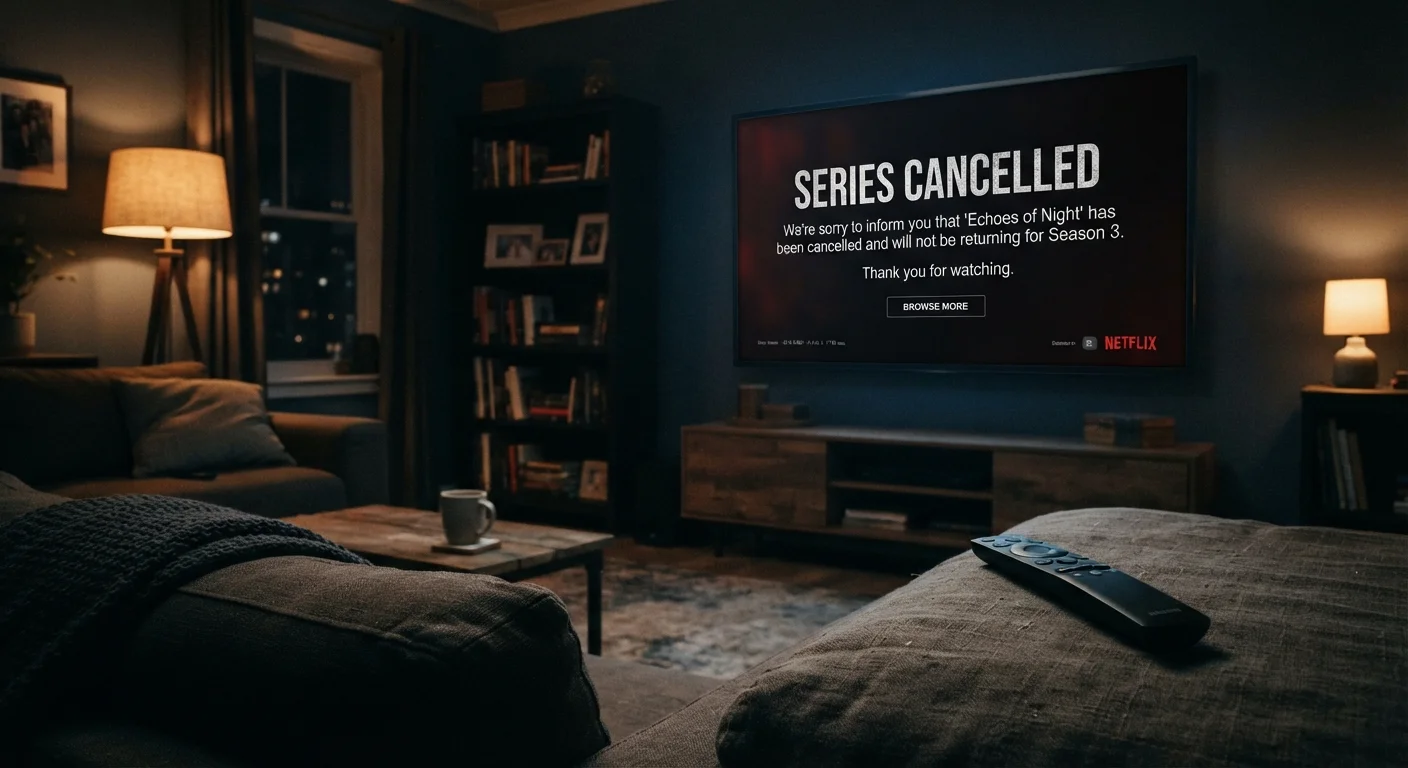
Photo credit: faqsnest.com
In this article
Dig into the subscriber metrics, licensing costs, and algorithmic logic that lead streaming services to cut shows with loyal audiences.
Key Takeaways
- Streaming platforms prioritize subscriber acquisition and retention data over traditional viewership ratings.
- Most cancellations occur when a show's cost outpaces its measurable ability to attract or retain paying subscribers.
- Licensing and residual costs rise sharply after early seasons, making continuation increasingly expensive.
- Algorithmic metrics often favor broad, accessible content over niche or critically lauded programming.
- The binge-drop model can exhaust a show's cultural conversation quickly, reducing long-term perceived value.
- Audience passion and critical acclaim are visible signals but carry limited weight in platform renewal math.
The Economics Driving Cancellation Decisions
To understand why streaming cancellations feel so relentless, it helps to start with a basic financial reality: streaming platforms are not in the television business — they are in the subscriber retention business. Every decision about content, including which shows get renewed, flows from a single overriding question: does this title justify its cost by keeping subscribers paying month after month?
This framing differs fundamentally from how broadcast and cable networks historically worked. Traditional TV relied on advertising revenue tied to measured ratings — shows stayed on air when advertisers paid for the eyeballs they delivered. Streaming platforms, particularly those operating on a subscription model, earn revenue when people remain subscribed. That shifts the calculus entirely. A show does not need a massive audience; it needs an audience that would cancel their subscription if the show disappeared.
Production costs compound the pressure. Original scripted series are expensive to produce, and those costs tend to rise with each season as cast salaries increase and production ambitions grow. When a platform weighs the expense of season three against the marginal subscriber value that show is likely to generate, many titles simply fail the test — even titles that generated genuine cultural enthusiasm in their first two seasons.
For a broader view of how these competitive pressures shape the entire industry, see The Streaming Wars Explained.
How Platforms Measure a Show's Value
Unlike traditional ratings — which were publicly audited and widely reported — streaming metrics are proprietary. Platforms track data points that were simply unavailable in the broadcast era: how many subscribers started a show, how many finished it, how long viewers spent before dropping off, and — critically — how many new subscribers signed up specifically because of that title.
This last metric, often called subscriber attribution, is arguably the most important. A show that draws in hundreds of thousands of new subscribers who would not have joined otherwise carries enormous value. A show with a passionate existing audience but low attribution is, in the platform's calculation, providing entertainment to people who were already paying — without expanding the revenue base.
~70%
Streaming originals cancelled within two seasons
Industry analysts tracking major streaming platforms have estimated that a substantial majority of original series do not survive beyond a second season, though exact figures vary by platform and genre.
2–3x
Cost increase from season one to season three
Production industry reporting consistently notes that scripted series costs can multiply significantly across seasons as cast salaries and production ambitions grow.
Top 10
Viewership lists dominate renewal decisions
Several major platforms have publicly acknowledged that performance on their weekly top-ten viewership charts is a significant factor in how content teams evaluate a title's ongoing value.
Completion rates matter too. If a substantial portion of viewers who begin a series fail to finish it, that signals weak engagement even when raw start numbers look impressive. Platforms also weight heavily how quickly viewership drops after an initial premiere surge — a show that spikes on launch day but trails off rapidly within a week is likely generating less subscriber-retention value than its opening numbers suggest.
The relationship between release strategy and these metrics is worth examining. Binge-watching versus weekly release schedules affects how long a show sustains cultural conversation — and that duration can directly influence a platform's renewal calculus.
The Role of Licensing Costs and Content Strategy
Original programming is only part of the picture. Platforms also manage large libraries of licensed content — older series and films acquired from studios and distributors. These licensing deals carry their own costs, and they compete for the same budget that funds original productions.
When a streaming service acquires an original series, it typically gains ownership of that intellectual property — a significant long-term asset. But the cost of maintaining that asset through multiple seasons grows quickly. Writers, directors, and cast members renegotiate contracts as a show's profile rises. Production budgets expand. A show that cost a modest sum per episode in season one might require two or three times that investment by season three.
Platforms must also think about what their content library communicates to prospective subscribers. Original content versus licensed libraries plays a defining role in how platforms position themselves competitively. A strategy built on launching many new originals — even if some are cancelled early — signals creative ambition and generates recurring press coverage, while a smaller slate of longer-running shows offers different subscriber value.
“The math of streaming has always been about acquisition and churn. A show that brings people in and keeps them from leaving is worth more than a show that wins awards but moves no needles on the subscriber dashboard.”
— Tim Goodman, Television critic and industry analyst, The Hollywood Reporter
This volume-oriented approach means that, for some platforms, a show's cancellation after two seasons is not a failure — it is a deliberate feature of a strategy designed to keep the content pipeline feeling fresh and expansive.
What This Means for Viewers and Storytellers
For audiences, the cancellation cycle creates a genuine and understandable frustration: the emotional investment of following a serialized narrative — with its character arcs, season-ending cliffhangers, and unresolved storylines — can be abruptly voided by a platform's internal spreadsheet. That experience is qualitatively different from a broadcast show being cancelled, because streaming series are frequently designed as long-form, multi-season narratives from the outset.
For writers and showrunners, the uncertainty creates practical creative challenges. Crafting a season finale that can function as either a conclusion or a setup for more story requires a kind of narrative hedging that can dilute dramatic impact. Creators who build ambitious multi-season arcs are taking a risk that the platform's data will not support their vision.
The hidden costs of subscribing to multiple platforms extend beyond monthly fees. When shows are cancelled mid-story, the emotional and time investment viewers made becomes a sunk cost — a dynamic that contributes to the broader fatigue many audiences feel about the streaming landscape.
Understanding the logic behind cancellations does not make them less disappointing. But it does clarify that these decisions are driven by an economic model that is still evolving — and that viewer behavior, in the aggregate, continues to shape the data that platforms use to make them.
Frequently Asked Questions

Author
Entertainment & Media Editorial Team
Entertainment & Media Editorial Team is the collective byline for our editorial team and contributor network. Articles published under this byline or an editorial pen name are researched, written, and reviewed according to our editorial standards for clarity, consistency, and independence before publication.
View all articles →