
Original Content vs. Licensed Libraries: What Actually Keeps Subscribers on a Platform
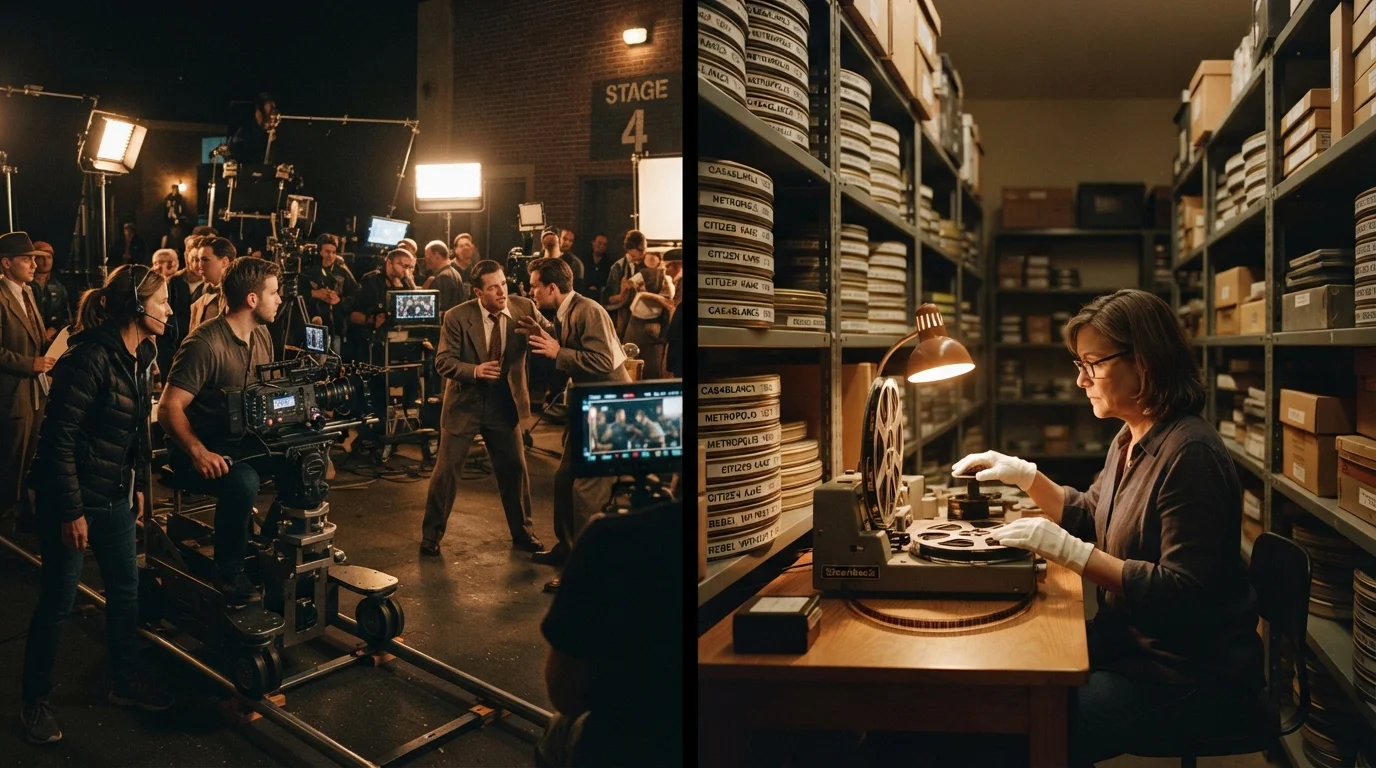
Photo credit: faqsnest.com
In this article
Weigh the strategic roles of originals and catalogue titles in keeping audiences subscribed to streaming services long-term.
Key Takeaways
- Original content drives subscriber acquisition and platform identity, but at significant financial cost.
- Licensed catalogues provide depth and daily-use value that keeps subscribers engaged between tentpole releases.
- Churn data suggests neither strategy alone is sufficient — platforms combining both retain audiences most effectively.
- Exclusive originals create urgency, but beloved licensed titles build long-term habitual viewing.
- The economics of content licensing are shifting, as studios increasingly reclaim rights to fuel their own platforms.
The Core Strategic Tension in Streaming
Every streaming platform faces a fundamental question: what actually keeps a subscriber from cancelling at the end of the month? The industry has long debated the relative merit of producing expensive original programming versus assembling broad, reliable licensed catalogues. Understanding how each approach functions — and where each falls short — is essential to grasping how the modern streaming landscape is being shaped.
For context on why so many platforms are wrestling with this challenge simultaneously, see the economics driving the streaming wars. The competitive pressure between services has made content strategy more consequential than ever.
How Original Content Functions as a Retention Tool
Original programming — series, films, and documentaries produced or exclusively owned by a platform — serves primarily as a subscriber acquisition and brand differentiation mechanism. A breakout original creates cultural conversation, earns press coverage, and gives potential subscribers a concrete reason to sign up. The exclusivity is central: viewers cannot watch that title anywhere else.
Originals also signal platform ambition and creative identity. A prestige drama or award-winning documentary positions the service as a destination worth sustained investment. However, the effect on long-term retention is more complicated. Audiences who subscribe for a specific original series frequently churn once that season concludes — a pattern industry analysts sometimes call "binge-and-bail." The platform must consistently produce new tentpole content to replicate the acquisition effect, which requires enormous capital allocation.
The financial exposure is substantial. A single prestige series can cost tens of millions per episode, and not every investment generates the hoped-for cultural impact. Why platforms cancel shows after one or two seasons often comes down to exactly this calculation: the subscriber data does not justify the ongoing production expense.
| Original Content | Licensed Library Content | |
|---|---|---|
| Primary function | Subscriber acquisition & differentiation | Habitual engagement & retention |
| Cost structure | High upfront production investment | Ongoing licensing fees, variable by title |
| Exclusivity | Platform-exclusive by design | Non-exclusive; rivals may share access |
| Churn risk | High if originals disappoint or slow | Lower, but affected by licence expiry |
| Cultural impact | Strong when titles break through | Moderate; relies on pre-existing affinity |
| Long-term scalability | Difficult; requires sustained capital | Increasingly constrained by studio pullbacks |
The Underrated Power of Licensed Catalogues
Licensed content — titles produced elsewhere and leased to a platform for a defined period — operates quite differently. Rather than driving sign-ups through exclusivity, it creates habitual, comfort-driven engagement. A subscriber who knows a platform carries hundreds of familiar films, classic television seasons, and genre staples is more likely to open the app on a Tuesday evening with no particular agenda. This everyday utility is a quiet but powerful retention force.
Research from media analytics firms has consistently found that catalogue depth correlates with reduced monthly churn, even when subscribers cannot name a specific licensed title as their reason for staying. The availability of familiar, rewatchable content provides low-stakes browsing value that originals — which demand new emotional investment — cannot easily replicate.
The strategic limitation, however, is that licensing is inherently unstable. As studios have developed their own direct-to-consumer platforms, they have steadily pulled high-value titles from third-party services. Content that once anchored a competitor's library is now used as leverage for a rival platform's catalogue. This has forced licensee services to either pay escalating rights fees or accept catalogue gaps — neither of which is sustainable at scale. For a broader look at how subscription economics affect viewer decisions, see the trade-offs between subscription tiers.
What Retention Data Reveals About the Hybrid Approach
The most analytically coherent picture that emerges from platform performance data is that neither originals nor licensed libraries alone are sufficient for long-term subscriber retention. Originals create peaks of engagement and acquisition; catalogues sustain baseline engagement between those peaks. The most resilient platforms maintain both in deliberate balance.
Consider how viewing behavior actually unfolds across a subscriber's lifecycle. A new subscriber may join because of a buzzy original, explore the catalogue during the first weeks, and ultimately remain because the platform offers consistent value across both dimensions. Remove the catalogue depth, and the subscriber faces a gap between original releases. Remove the originals, and the platform loses its identity and acquisition engine entirely.
The financial implications of managing multiple streaming subscriptions simultaneously are also worth noting — subscribers managing several platforms at once are acutely sensitive to perceived value, which makes the content mix on any single platform even more consequential.
Cultural Shifts That Complicate the Equation
Viewing habits have changed significantly alongside the rise of on-demand streaming, and those shifts affect how both originals and licensed titles perform as retention tools. Audiences have become more fragmented, more algorithmically guided, and more likely to engage in non-linear, multi-platform viewing. A decade of shifting viewing behavior illustrates how dramatically audience expectations have evolved.
In this environment, the discoverability of both originals and catalogue titles matters as much as their quality. A platform with a deep licensed library that buries titles in a poor interface may deliver less retention value than one with fewer titles and a superior recommendation engine. Similarly, an original that struggles to surface algorithmically may underperform commercially despite strong creative merits.
The conclusion for platforms is that content strategy cannot be separated from product and algorithm strategy. The question of originals versus licensed libraries is inseparable from how content is surfaced, sequenced, and recommended to individual subscribers over time.

Author
Entertainment & Media Editorial Team
Entertainment & Media Editorial Team is the collective byline for our editorial team and contributor network. Articles published under this byline or an editorial pen name are researched, written, and reviewed according to our editorial standards for clarity, consistency, and independence before publication.
View all articles →