
Ad-Supported vs. Subscription Streaming: What the Two Models Actually Cost You
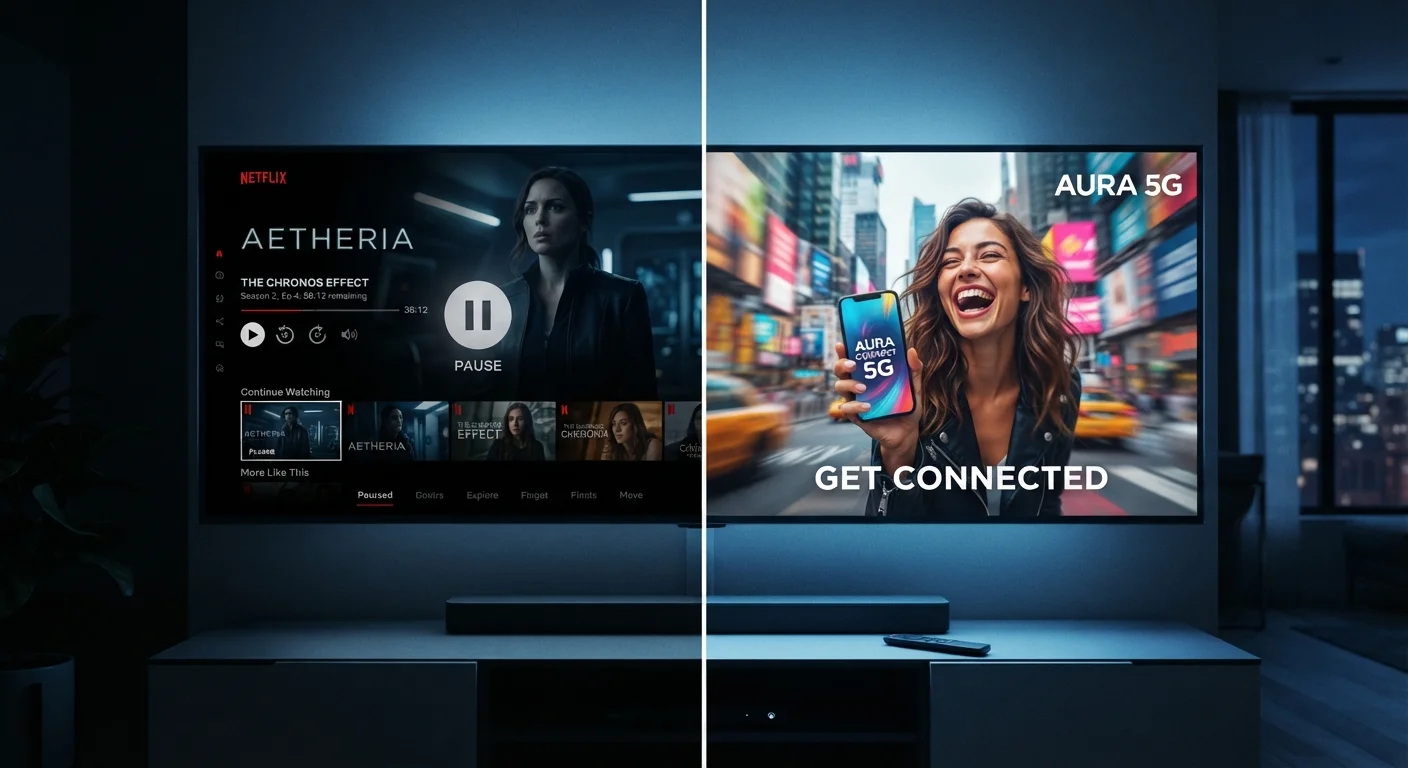
Photo credit: faqsnest.com
In this article
A clear breakdown of how ad-supported and paid subscription tiers differ in value, experience, and trade-offs for viewers.
Key Takeaways
- Ad-supported tiers often cost less upfront but deliver a measurably different viewing experience due to commercial interruptions.
- Subscription tiers typically unlock higher video quality, offline downloads, and simultaneous streams not available on ad tiers.
- Platforms earn significantly more per user from engaged ad-tier viewers than the low monthly fee alone suggests.
- The actual cost of ad-supported viewing includes non-monetary factors: time lost to ads and data collected for targeting.
- Neither model is universally superior — the right choice depends on viewing habits, household size, and content priorities.
Understanding the Two Models: AVOD and SVOD Defined
Streaming services broadly fall into two monetization categories. AVOD (Advertising Video on Demand) generates revenue by serving ads to viewers who pay little or nothing per month. SVOD (Subscription Video on Demand) charges a recurring fee and removes advertising from the equation entirely. A third variant — FAST (Free Ad-Supported Streaming Television) — operates like broadcast TV online, with live-channel formats funded exclusively by ads.
These aren't simply price tiers on the same product. They represent structurally different business relationships between platform, viewer, and advertiser. On an SVOD service, the viewer is the paying customer. On an AVOD platform, the viewer is, in a meaningful sense, the product — their attention and behavioral data are what the platform sells to advertisers. Understanding this distinction reframes how we evaluate what each model actually costs. For a broader look at why so many platforms are pursuing both models simultaneously, see The Streaming Wars Explained.
The Real Cost Breakdown: Money, Time, and Data
The monetary difference between tiers is obvious. Ad-supported plans on major platforms tend to run several dollars cheaper per month than their ad-free equivalents, and some FAST services carry no subscription fee at all. But the full cost calculation is more complex.
| Criterion | Ad-Supported (AVOD/FAST) | Subscription (SVOD) |
|---|---|---|
| Monthly cost | Free to low-cost | Mid to high monthly fee |
| Ad interruptions | Yes — 4–12 min per hour | None |
| Video quality ceiling | Often capped (HD or lower) | Full 4K/HDR available |
| Offline downloads | Rarely available | Standard on most platforms |
| Simultaneous streams | Typically 1–2 screens | Up to 4 screens on higher tiers |
| Data collection intensity | Higher (ad targeting) | Lower (analytics only) |
| Content access | May exclude some titles | Full library access |
Time: A viewer watching two hours of ad-supported content per day could encounter anywhere from 8 to 20 minutes of advertising, depending on the platform's ad load. Over a month, that accumulates to several hours of commercial exposure — a genuine time cost that rarely appears in pricing comparisons.
Data: Ad-supported tiers typically require more extensive behavioral tracking to enable targeted advertising. Viewing history, device information, and inferred demographics are used to optimize ad delivery. This data exchange is real but largely invisible to most viewers.
Platforms are transparent that ad tiers involve data collection for targeting purposes, but the depth of that data use often goes unread in terms-of-service documentation. The glossary of key streaming terms covers concepts like CPM (cost per thousand impressions) that illuminate why this data is commercially valuable to platforms.
Feature Gaps Between Tiers
Beyond ads, the tiers frequently differ across several functional dimensions that affect the day-to-day viewing experience.
- Video and audio quality: Several platforms cap ad-supported tiers at lower resolutions or exclude Dolby Atmos and HDR formats, reserving premium quality for subscribers.
- Simultaneous streams: Ad-supported plans often permit fewer concurrent screens, which matters for households sharing an account.
- Downloads: Offline viewing is almost universally restricted to paid tiers, making SVOD the only practical option for travel or areas with unreliable internet.
- Content availability: Some platforms withhold new-release titles, live events, or entire content categories from ad tiers — a gap that can be significant depending on what you watch.
These feature differences mean two viewers paying different amounts aren't simply watching the same content with or without ads — they may be accessing meaningfully different products. This layered content strategy is directly connected to how platforms think about originals versus licensed libraries as subscriber retention tools.
How Platforms Actually Make Money From Each Model
The economics behind each tier explain why platforms now offer both rather than choosing one.
$30–$40
Estimated ad revenue per user per month on engaged AVOD platforms
Industry analysts tracking streaming CPM rates suggest high-engagement ad-tier users can generate advertising revenue comparable to or exceeding mid-tier subscription fees.
~15–20%
Share of major platform subscribers on ad-supported tiers
Several major SVOD platforms have publicly reported that ad-supported plans account for a growing minority of new sign-ups, with the proportion rising year over year.
8–12 min
Typical ad load per hour on major AVOD platforms
Platform disclosures and media industry reports generally place ad-supported streaming ad loads between 8 and 12 minutes per hour of content watched.
SVOD revenue is predictable and scalable: a fixed monthly fee multiplied across millions of subscribers creates reliable recurring income that can be forecasted and used to fund content investment. The risk is subscriber churn — when viewers cancel after finishing a popular series, that revenue disappears immediately.
AVOD revenue is more variable but potentially lucrative for high-engagement content. Advertisers pay on a CPM basis, meaning platforms earn more when viewers watch more. A highly engaged ad-tier viewer who streams three hours daily generates more advertising revenue than the monthly fee of some subscription plans. This is why platforms have strong incentives to grow their ad-tier audiences, not merely tolerate them.
The dual-tier strategy also lets platforms capture viewers across income levels and usage patterns, reducing overall churn. Subscription sprawl across multiple services is driving some viewers toward ad-supported tiers as a cost management strategy — a trend platforms have anticipated and designed around.
Which Model Suits Which Viewer?
Neither model is categorically superior. The right choice depends on honest self-assessment of viewing habits and priorities.
Ad-supported tiers make strong sense for viewers who watch fewer than five or six hours per week, primarily consume news and non-fiction content where narrative immersion matters less, or are managing streaming costs across multiple platforms simultaneously. FAST services in particular offer substantial free content that holds genuine value for casual viewers.
Subscription tiers deliver more consistent value for frequent, immersive viewers — particularly those watching serialized drama, films, or content with children, where ad interruptions are disruptive. The feature advantages (downloads, quality, simultaneous streams) compound in value as household viewing volume increases.
One underappreciated consideration: ad fatigue. Research in media consumption consistently finds that excessive ad exposure reduces content enjoyment and platform satisfaction over time. For viewers who find themselves watching the same platform daily, the experiential cost of ads may eventually outweigh the financial savings. Understanding why platforms make content decisions based on subscriber behavior also provides useful context — viewer engagement data from both tiers actively shapes what gets made and renewed.

Author
Entertainment & Media Editorial Team
Entertainment & Media Editorial Team is the collective byline for our editorial team and contributor network. Articles published under this byline or an editorial pen name are researched, written, and reviewed according to our editorial standards for clarity, consistency, and independence before publication.
View all articles →