
Why Critically Acclaimed Films Sometimes Fail at the Box Office
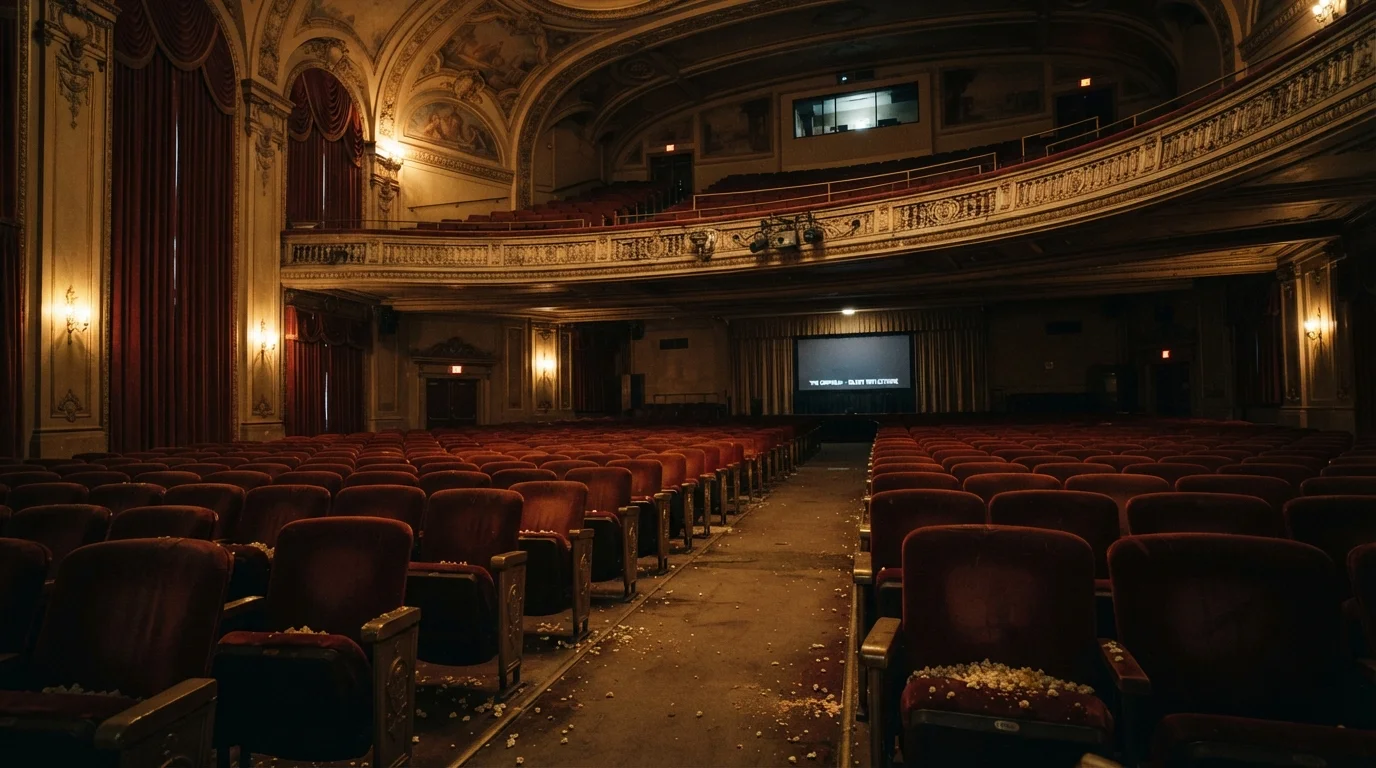
Photo credit: faqsnest.com
In this article
Critical praise and commercial success don't always overlap. Examine the structural, marketing, and cultural factors that explain the gap.
Key Takeaways
- Critical acclaim measures artistic merit; box office measures audience demand — these are fundamentally different metrics.
- Marketing misalignment is one of the most preventable reasons acclaimed films underperform commercially.
- Niche subject matter, challenging pacing, or unconventional structure can limit a film's broad commercial appeal regardless of quality.
- Release timing and competition from franchise blockbusters significantly shape a film's financial outcome.
- A theatrical box office flop does not necessarily determine a film's long-term cultural legacy.
The Fundamental Gap Between Critical and Commercial Success
The relationship between a film's critical reception and its box office performance is one of cinema's most persistent paradoxes. Audiences sometimes arrive in enormous numbers to films critics dismiss, while movies that earn near-universal praise from professional reviewers struggle to fill a theater past their second week. This gap isn't an accident or a market failure — it reflects the fact that critics and general audiences are measuring different things.
Critics evaluate films as works of art and craft: the sophistication of the screenplay, the confidence of the direction, the coherence of the visual language. General audiences, while capable of appreciating all of those qualities, are primarily purchasing an experience — and that experience must compete with every other leisure option available to them on a given weekend. A film that succeeds brilliantly on artistic terms may offer an experience that feels slow, demanding, or emotionally uncomfortable to a viewer without specific context or interest. For more on how release formats affect the way films are ultimately received, see how release format shapes a film's legacy.
~$3.7M
U.S. opening weekend gross for 'Paddington 2' on rerelease
After years of cult reputation as a near-perfect film, the 2018 U.S. rerelease of 'Paddington 2' demonstrated how delayed audience discovery can generate meaningful commercial returns for initially overlooked titles.
Top 10
Proportion of annual box office held by franchise sequels
Industry tracking consistently shows that the majority of the year's top-grossing films are sequels, prequels, or franchise extensions, crowding out mid-budget originals that typically carry prestige films.
~60%
Share of global box office from outside North America
According to Motion Picture Association data, international markets account for roughly 60% of global theatrical revenue, meaning domestic critical reception is only one variable in a complex commercial equation.
Common Missteps That Widen the Gap
Several structural mistakes — made by studios, distributors, and sometimes by the films themselves — reliably push critically acclaimed titles toward commercial underperformance. Understanding them as systemic patterns rather than individual surprises is essential to interpreting box office outcomes accurately.
Assuming critical praise translates directly into mainstream audience interest.
Why it happens: Critics and general audiences often have different expectations. Critics reward formal innovation, thematic ambiguity, and narrative risk-taking — qualities that can alienate viewers seeking entertainment, escapism, or emotional familiarity.
Marketing a challenging or niche film as if it were a mainstream blockbuster.
Why it happens: Studios sometimes invest heavily in a prestige project and, hoping to recoup costs, market it broadly — using trailers and campaign materials that misrepresent the film's tone, pacing, or subject matter.
Releasing an awards-contender film in a crowded theatrical window dominated by franchise titles.
Why it happens: Prestige release schedules cluster around autumn and the holiday corridor to qualify for awards season, which is precisely when major studios deploy their biggest commercial properties. Smaller films get buried in the noise.
Underestimating how subject matter difficulty affects commercial reach.
Why it happens: Filmmakers and distributors who are close to a project often normalize its demanding content — whether that's unflinching historical violence, non-linear structure, or slow-cinema pacing — and misjudge how general audiences will respond.
Treating a weak opening weekend as a definitive commercial failure.
Why it happens: The film industry's reporting culture — which obsessively covers opening-weekend box office rankings — creates a narrative that a slow start equals permanent failure, which can become self-fulfilling when theaters reduce screenings.
It's also worth noting the broader competitive context. As Hollywood has become increasingly franchise-dependent, mid-budget original films — precisely the territory where critically acclaimed work tends to live — have lost the infrastructural support they once received. For a deeper look at the economics driving that shift, the economics and storytelling risks of franchise filmmaking offers useful context.
Legacy, Reappraisal, and What Box Office Actually Measures
Box Office Is Not a Quality Verdict
Conflating commercial performance with artistic worth distorts how we understand cinema's cultural role. Some of the most enduring and influential films in history — from 'Blade Runner' to 'It's a Wonderful Life' — were commercial disappointments on initial release. Using revenue as a proxy for quality leads studios and audiences alike to misread what the medium is capable of achieving.
Commercial failure at initial release is not the end of a film's story. The history of cinema is populated with titles that found their audiences years or even decades later — through repertory screenings, home video, streaming catalogs, or simple cultural reappraisal. What the box office captures is a specific, time-limited measure of demand in a particular theatrical market under a particular set of competitive conditions. It says very little about whether a film will matter in ten years.
This distinction matters practically for audiences trying to evaluate films. When you encounter a title that earned critical acclaim but minimal box office, the more useful question isn't whether audiences were wrong to stay home — it's what kind of film it is, who it was made for, and whether you're part of that audience. Developing a framework for critical viewing can genuinely transform how rewarding these encounters become. And as theatrical exhibition continues to evolve alongside streaming, the routes through which audiences find challenging films are multiplying — a dynamic examined in depth in how theatrical exhibition has adapted to the streaming era.

Author
Entertainment & Media Editorial Team
Entertainment & Media Editorial Team is the collective byline for our editorial team and contributor network. Articles published under this byline or an editorial pen name are researched, written, and reviewed according to our editorial standards for clarity, consistency, and independence before publication.
View all articles →