
Building a Grocery List That Reflects How You Actually Eat
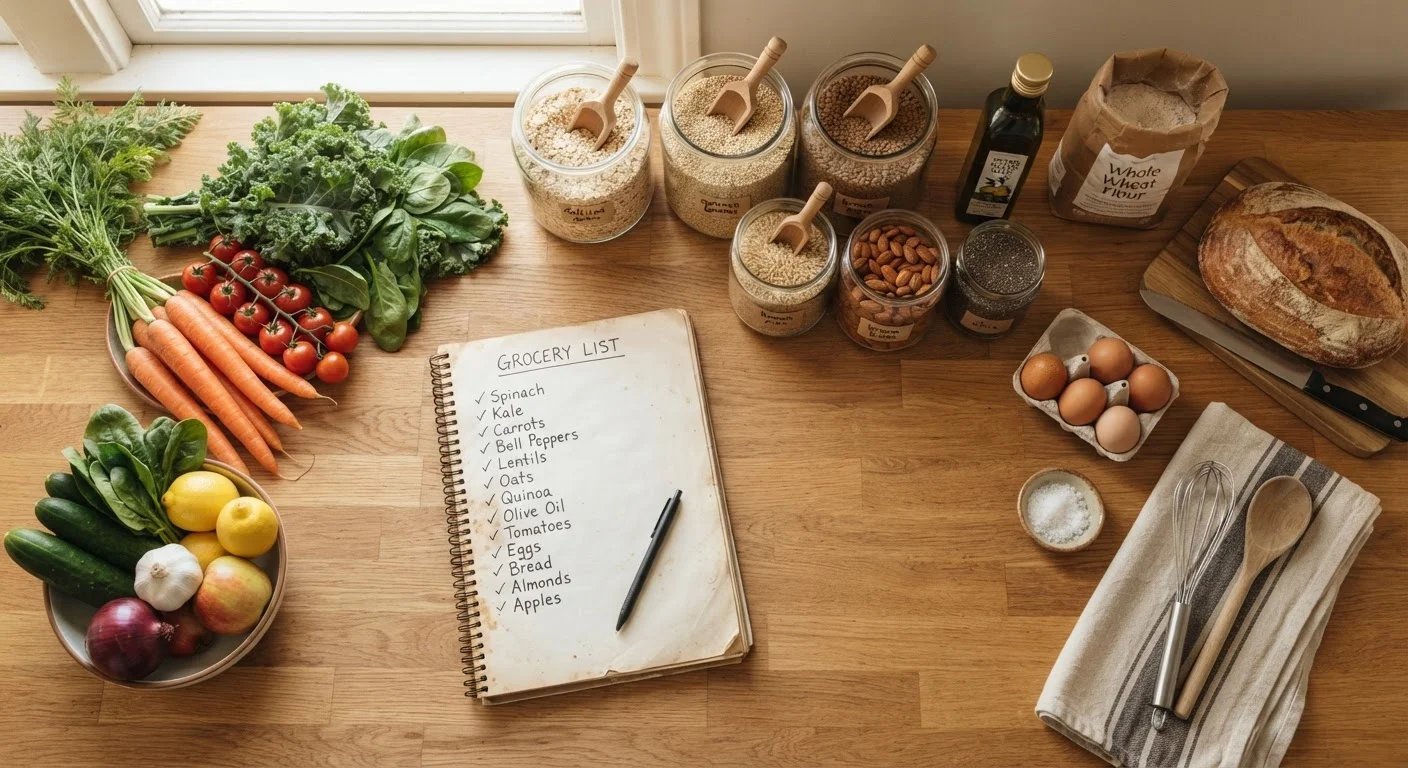
Photo credit: faqsnest.com
In this article
A practical checklist approach to stocking a kitchen with nutritious staples — tailored to real habits rather than idealised meal plans.
Key Takeaways
- Auditing what you actually cook — not what you wish you cooked — is the essential first step.
- A well-structured grocery list maps to real meals and snack habits, not aspirational ones.
- Stocking flexible staples reduces food waste and last-minute takeout decisions.
- Grouping your list by store section saves time and reduces impulse purchases.
- Reviewing your list monthly keeps it aligned with shifting tastes and schedules.
Why Most Grocery Lists Don't Match Real Life
Most grocery lists are built from the outside in — copied from a meal plan, a recipe app, or a wellness trend. The problem is that most of us don't eat the way those plans assume. We skip ambitious Tuesday dinners. We forget we bought kale. We default to the same six meals on rotation.
A smarter approach starts with honest observation: what do you actually eat in a typical week? Not what you intend to eat — what lands on the table. This checklist is designed to help you build a grocery list from that real starting point, so your kitchen reflects your habits rather than someone else's ideal.
If you've been frustrated by meal planning that doesn't stick, it's worth reading why meal plans often collapse in real life before you shop. And if you're weighing structured planning against a more responsive eating style, this comparison of structured vs. intuitive eating lays out both approaches clearly.
What You'll Need Before You Start
This isn't about buying special tools — it's about having the right information on hand before you write a single item down. Run through the following quick prep steps first.
Recent receipts or a pantry photo
Gives you an honest snapshot of what you're currently buying and using, rather than guessing from memory.
A notepad or phone list app
Used to build your list in categorised sections so it maps to how a store is laid out.
A week's worth of dinner memories
Mentally replay the last seven dinners to identify your actual default meals — these anchor your staples list.
Inventory of your freezer and pantry
Prevents duplicate purchases and highlights genuine gaps rather than imagined ones.
Nutrition label reference (general)
Helpful when comparing similar packaged products by protein, fibre, or sodium — no apps required, just the label.
The Grocery List Checklist
Work through each group in order. Skip categories that don't apply to your household, but be honest with yourself — the goal is a list that gets used, not one that looks impressive.
Audit Your Actual Eating Habits
Proteins
Produce
Grains and Carbohydrates
Pantry Staples and Flavour Builders
Organising and Shopping Efficiently
Don't Let Aspirational Items Crowd Out Staples
A common trap is loading the cart with ingredients for ambitious recipes while skimping on the everyday staples that keep default meals possible. If a recipe ingredient won't be used in at least two ways this week, consider whether it belongs on this week's list at all. Food waste is both a financial loss and a morale hit — unrealistic lists are a leading cause of it.
If budget is a real constraint, the principles here pair well with eating well on a tight budget — many of the staples below are also among the most cost-effective nutritious foods available. For those moving toward more plant-forward eating, this realistic plant-based starting point shows how to adapt your staples without overhauling everything at once.
Keeping Your List Current
A grocery list isn't a one-time document — your eating habits shift with seasons, schedules, and life changes. Set a reminder once a month to review your list against what's actually been used, what's been thrown away, and whether any new meals have entered your regular rotation.
Think of refining your grocery list the same way you might refine any personal system. The approach used when building a personal curriculum applies here too: define your real-world goals, sequence logically, and iterate based on what's working. Your daily wellness habits are easier to sustain when your kitchen is already stocked for how you live — not how you theoretically should.
This article is for general informational purposes only and does not constitute nutrition or medical advice. For personalised dietary guidance, consult a registered dietitian or qualified healthcare professional.

Author
Everyday Lifestyle Editorial Team
Everyday Lifestyle Editorial Team is the collective byline for our editorial team and contributor network. Articles published under this byline or an editorial pen name are researched, written, and reviewed according to our editorial standards for clarity, consistency, and independence before publication.
View all articles →