
Plant-Based Eating: A Realistic Starting Point for Everyday Meals
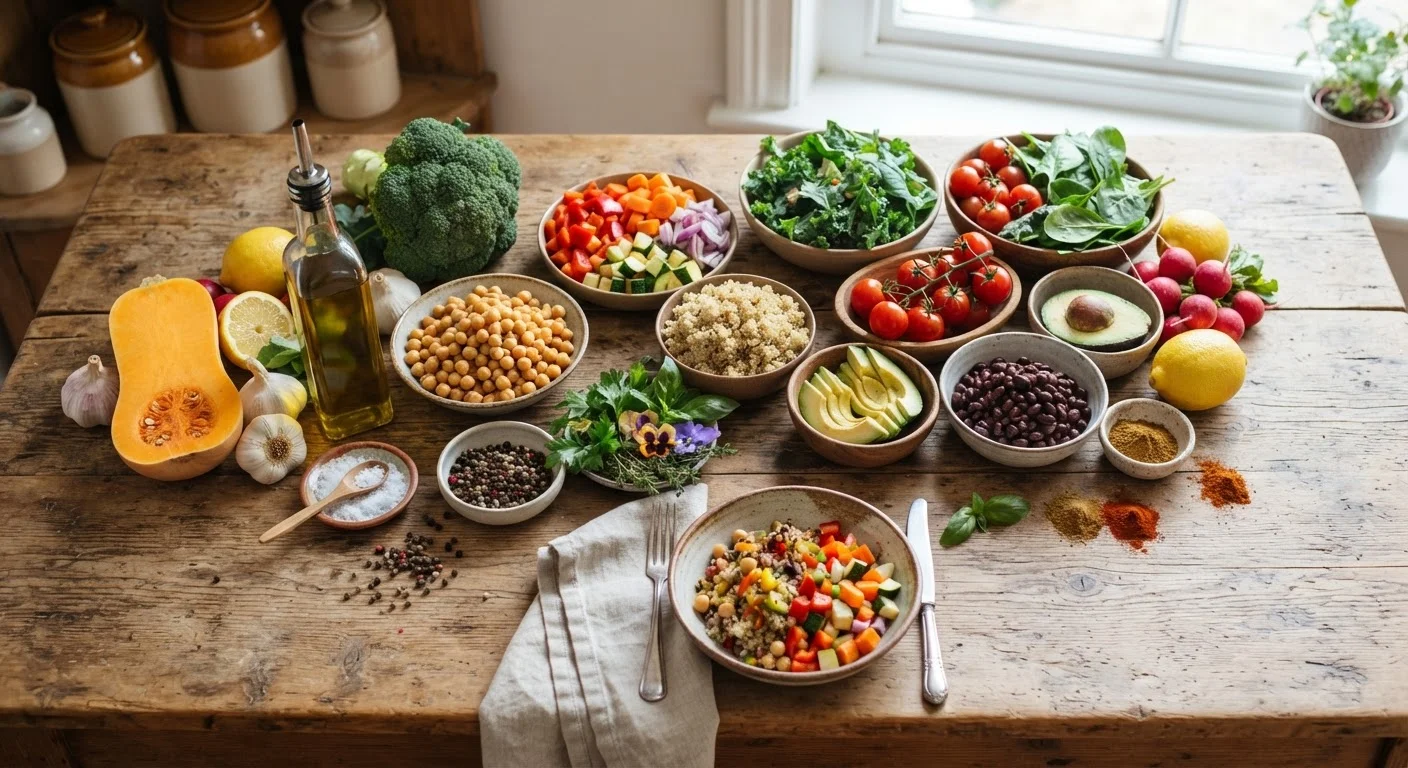
Photo credit: faqsnest.com
In this article
Not a strict rulebook, but a grounded introduction to shifting more meals toward plants — with practical swaps and nutritional context.
Key Takeaways
- Plant-based eating is a spectrum, not an all-or-nothing commitment.
- Swapping a few meals per week toward plants delivers real nutritional benefits.
- Legumes, whole grains, and vegetables are affordable, versatile foundations.
- A small number of nutrients require deliberate attention when reducing animal foods.
- Sustainable change comes from gradual habit-building, not rigid dietary rules.
What 'Plant-Based' Actually Means
The term plant-based gets used loosely — sometimes as a synonym for vegan, sometimes as marketing shorthand on packaged foods. For everyday purposes, it means building most of your meals around foods that come from plants: vegetables, fruits, legumes, whole grains, nuts, and seeds.
It is not a rigid rule system. Someone who eats chicken twice a week but fills the rest of their plate with vegetables, beans, and whole grains is eating more plant-based than someone who eats processed food exclusively and happens to avoid meat. The concept is about proportion and pattern, not purity.
Plant-based diet
An eating pattern that centers foods from plant sources — vegetables, fruits, grains, legumes, nuts, seeds — without necessarily excluding all animal products.
Flexitarian
A flexible eating style that is primarily plant-focused but includes meat or other animal products occasionally, without strict rules.
Legumes
A family of plants that includes beans, lentils, chickpeas, and peas — all good sources of protein, fiber, and various minerals.
Whole grains
Grains that retain their bran and germ layers — such as oats, brown rice, quinoa, and barley — providing more fiber and nutrients than refined versions.
Phytochemicals
Naturally occurring compounds found in plant foods that may support health; they are distinct from vitamins and minerals but contribute to the nutritional profile of a plant-rich diet.
Non-heme iron
The form of iron found in plant foods and some animal products, which the body absorbs less readily than heme iron from meat; pairing it with vitamin C improves uptake.
Eating styles along this spectrum include flexitarian (mostly plant foods, occasional animal products), vegetarian (no meat, but may include dairy and eggs), and vegan (no animal products at all). None of these labels are required. What matters nutritionally is the overall quality and diversity of what you eat most of the time.
Why It's Worth Adding More Plants
Decades of nutrition research consistently link higher intake of vegetables, legumes, fruits, and whole grains with lower rates of cardiovascular disease, type 2 diabetes, and certain cancers. These associations hold across diverse populations and dietary patterns — it is one of the more durable findings in nutrition science.
The mechanisms are multiple: plant foods tend to be high in dietary fiber, which supports gut health and blood sugar regulation; they provide a wide array of micronutrients and phytochemicals; and replacing some animal-based foods reduces saturated fat intake for many people. Understanding how individual nutrients contribute is covered in our article on vitamins and minerals in everyday food.
The benefits don't require an extreme shift. Research suggests that even modest increases in plant food consumption — adding a daily serving of legumes or swapping refined grains for whole grains — can move markers of health in a positive direction. This isn't a guarantee of specific outcomes; individual results vary based on genetics, overall lifestyle, and existing health conditions. If you have a chronic condition, talk to your healthcare provider before making significant dietary changes.
Practical Swaps to Start With
The easiest entry point is substitution — replacing one familiar ingredient with a plant-based equivalent in a meal you already make. Some swaps that work well in practice:
- Beans or lentils instead of ground meat in tacos, pasta sauce, soups, or chili. Lentils in particular take on surrounding flavors readily and have a satisfying texture.
- Tofu or tempeh in stir-fries where you'd normally use chicken or beef. Both absorb marinades well and cook quickly.
- Oats or nut butter at breakfast rather than processed cereals or skipping breakfast entirely. These provide fiber and protein to sustain energy through the morning.
- Hummus, avocado, or nut-based spreads on sandwiches and wraps in place of deli meat or processed cheese.
- A grain bowl format — cooked whole grain base, roasted vegetables, a protein source (chickpeas, edamame, or a soft-boiled egg if you include eggs), and a simple dressing — is one of the most flexible and fast formats for plant-forward meals.
If building a grocery list around these staples feels overwhelming, the approach covered in our article on building a grocery list that reflects how you actually eat offers a practical structure for stocking your kitchen.
The 'add before you subtract' approach
Instead of focusing on what to remove from your diet, try adding one plant-based element to meals you already enjoy. A handful of spinach in pasta, a scoop of beans in soup, or a side of roasted vegetables requires no recipe overhaul. Once these additions feel normal, rebalancing your plate happens more naturally.
Nutrients to Pay Attention To
Most people eating a varied, plant-forward diet — especially one that still includes some animal foods — get adequate nutrition without careful planning. However, a few nutrients deserve deliberate attention as plant intake rises and animal food intake falls:
- Vitamin B12
- Found almost exclusively in animal products. People eating fully plant-based diets need a reliable supplement or fortified foods. This is not negotiable from a nutritional standpoint.
- Iron
- Plant foods contain non-heme iron, which is absorbed less efficiently than heme iron from meat. Eating iron-rich plants (lentils, fortified cereals, tofu) alongside vitamin C — a squeeze of lemon or some bell pepper — improves absorption meaningfully.
- Calcium
- Dairy is a common calcium source, but white beans, bok choy, fortified plant milks, and almonds also contribute. Watch for adequate intake if dairy is significantly reduced.
- Omega-3 fatty acids
- Fatty fish are a rich source of EPA and DHA. Flaxseed, chia seeds, and walnuts supply ALA, a plant form the body converts at low efficiency. Those avoiding fish may want to discuss algae-based omega-3 options with a dietitian.
For a comprehensive breakdown of what each nutrient does and where to find it, see our article on protein sources compared.
This article is for general informational purposes only and is not a substitute for personalized medical or dietary advice. Consult a registered dietitian or your healthcare provider for guidance specific to your health needs.
Making It Work in Real Life
The most common reason dietary shifts fail isn't lack of motivation — it's that the new pattern doesn't fit real schedules, budgets, and taste preferences. A few principles that hold up in practice:
- Start with one or two plant-forward meals per week rather than a full overhaul. Build from there as those meals become familiar and automatic.
- Keep staples stocked. Canned beans, frozen vegetables, and whole grains like brown rice or farro are fast, cheap, and versatile. If they're in the kitchen, they'll get used.
- Don't rely on processed meat alternatives as the primary shift. They're convenient occasionally, but many are high in sodium. Whole-food swaps are generally a better foundation.
- Eating well doesn't have to be expensive. Dried lentils and canned chickpeas are among the most cost-effective protein sources available. Our article on eating well on a tight budget covers this in more depth.
Lasting change is more about building consistent habits over time than following a strict protocol. The goal is a way of eating that you can maintain across a busy week, a tight month, and a life that doesn't revolve around meal prep. That's the realistic starting point.
Frequently Asked Questions

Author
Everyday Lifestyle Editorial Team
Everyday Lifestyle Editorial Team is the collective byline for our editorial team and contributor network. Articles published under this byline or an editorial pen name are researched, written, and reviewed according to our editorial standards for clarity, consistency, and independence before publication.
View all articles →