
What a Balanced Plate Actually Looks Like
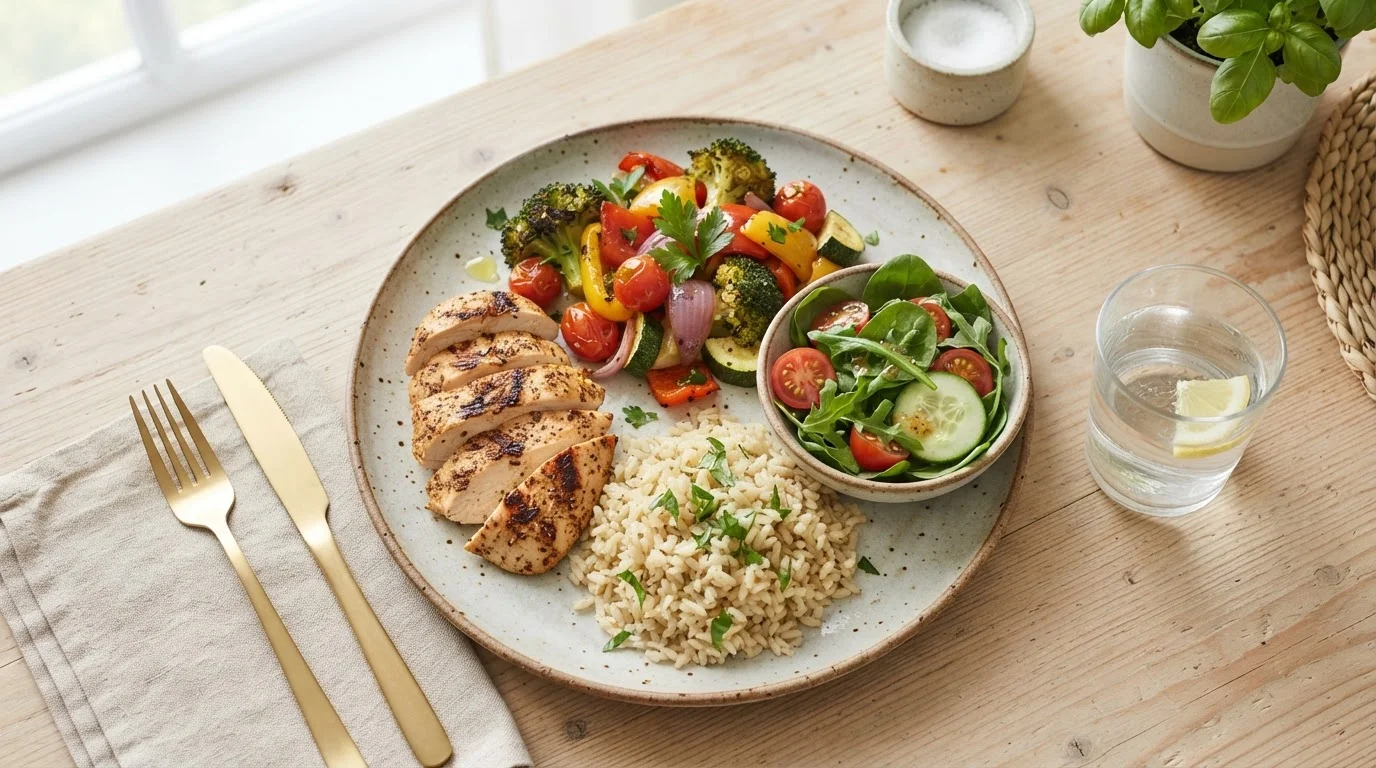
Photo credit: faqsnest.com
In this article
Beyond food pyramids and calorie counts, here's what nutrition science says a genuinely balanced meal looks like in practice.
Key Takeaways
- Half your plate from vegetables and fruit is a practical starting point backed by major nutrition guidelines.
- Protein, whole grains, and healthy fats each have a distinct role — no single group should dominate every meal.
- A balanced plate is a flexible framework, not a rigid formula — it adapts to food culture, budget, and preference.
- Fiber from vegetables, legumes, and whole grains is one of the most underconsumed nutrients in the average US diet.
- Drinking water rather than caloric beverages is considered part of a balanced eating pattern by leading health bodies.
Why the Plate Model Works Better Than a Food Pyramid
Food pyramids were designed with good intentions but created real confusion in practice. Layered structures with vague serving sizes left most people unsure what a day of eating was actually supposed to look like. The shift toward a plate-based visual was a meaningful improvement: it translates directly to what's in front of you at dinner.
The core logic is simple. Divide a standard dinner plate into sections and fill each one intentionally. About half should be vegetables and fruit — ideally more vegetables than fruit. One quarter goes to whole grains or starchy vegetables like sweet potato or corn. The remaining quarter is your protein source, whether that's fish, poultry, legumes, eggs, or another option. Add a small amount of healthy fat — olive oil, avocado, a handful of nuts — and a glass of water, and the framework is complete.
This isn't a strict prescription. It's a proportional guide you can apply across cuisines, budgets, and eating styles. A grain bowl, a stir-fry, a burrito — each can follow the same rough ratio. For a broader look at how nutrition fits into overall wellbeing, see our reference guide to balanced living.
What Each Section of the Plate Is Actually Doing
Understanding the role of each food group makes the model more than a visual trick — it gives you a reason to follow it even when shortcuts are tempting.
Vegetables and Fruit (Half the Plate)
This is the section most people underdeliver on. Vegetables and fruit supply dietary fiber, vitamins, minerals, and plant compounds (phytonutrients) that support immune function, digestion, and long-term cardiovascular health. Fiber in particular is significantly underconsumed in the average US diet, with most adults getting well below the recommended daily intake. Variety in color is a practical proxy for nutrient variety — different pigments signal different beneficial compounds.
Whole Grains (One Quarter)
Whole grains — brown rice, oats, whole wheat bread, quinoa, barley — retain the bran and germ that refined grains lose during processing. That means more fiber, B vitamins, and minerals. They also digest more slowly, which supports steadier energy levels compared to refined-grain alternatives.
Protein (One Quarter)
Protein supports muscle maintenance, enzyme production, immune function, and satiety. The source matters nutritionally: fatty fish like salmon provide omega-3 fatty acids; legumes combine protein with additional fiber; lean poultry and eggs are versatile and widely accessible. Red and processed meats can be part of a diet, but most nutrition guidance suggests keeping them to occasional rather than daily consumption.
Healthy Fats (A Small Addition)
Fat is not the enemy it was once framed to be. Unsaturated fats — from olive oil, avocados, nuts, and seeds — support brain function, hormone production, and absorption of fat-soluble vitamins (A, D, E, and K). The key is choosing predominantly unsaturated sources and keeping portions measured, since fat is calorie-dense.
9 in 10
Americans not meeting vegetable intake recommendations
According to CDC data, approximately 90% of US adults consume less than the recommended amount of vegetables daily.
~17g
Average daily fiber intake for US adults
The Dietary Guidelines for Americans recommend 25–38g of fiber per day; most adults consume roughly half that amount.
50%
Of the plate recommended for vegetables and fruit
Both the USDA's MyPlate and Harvard's Healthy Eating Plate recommend vegetables and fruit occupy half the plate at most meals.
Making It Work in Real Life
The plate model is a framework, and frameworks need to bend to reality. Here's how to apply it without overhauling your entire routine.
Start with one meal. Lunch is often the easiest entry point for restructuring. A salad with a protein source and some whole-grain bread, or a grain bowl with roasted vegetables, fits the model naturally and travels well.
Don't overthink mixed dishes. Soups, stews, pasta dishes, and stir-fries can all follow the principle — the proportions just aren't as visually obvious. A vegetable-heavy pasta with some lean protein in a tomato-based sauce is broadly balanced even if it looks nothing like a divided plate.
Use your grocery list as a check. If your cart is mostly protein and grains with very little produce, your meals will reflect that. See our practical grocery list guide for a checklist approach to stocking a more balanced kitchen.
Read labels with proportion in mind. Packaged foods can fit into a balanced diet, but it helps to understand what you're actually getting. Our guide to reading nutrition labels breaks down what each row on the panel actually means.
For those curious about whether a structured meal plan or a more flexible, responsive approach suits them better, our piece on structured vs. intuitive eating covers both without prescribing one over the other.
A Simple Plate Check Before You Eat
Before sitting down, glance at your plate and ask: Is at least half of this vegetables or fruit? Is there a quality protein source? Is there a whole grain or fiber-rich carb? If you can say yes to two out of three consistently, you're tracking well. Small adjustments — adding a side salad, swapping white rice for brown — add up over time without requiring a full diet overhaul.
This article is for general informational purposes only and does not constitute medical or dietary advice. For personalized nutrition guidance, consult a registered dietitian or qualified healthcare professional.
Frequently Asked Questions

Author
Everyday Lifestyle Editorial Team
Everyday Lifestyle Editorial Team is the collective byline for our editorial team and contributor network. Articles published under this byline or an editorial pen name are researched, written, and reviewed according to our editorial standards for clarity, consistency, and independence before publication.
View all articles →