
Low-Maintenance Outdoor Spaces Worth Designing Around
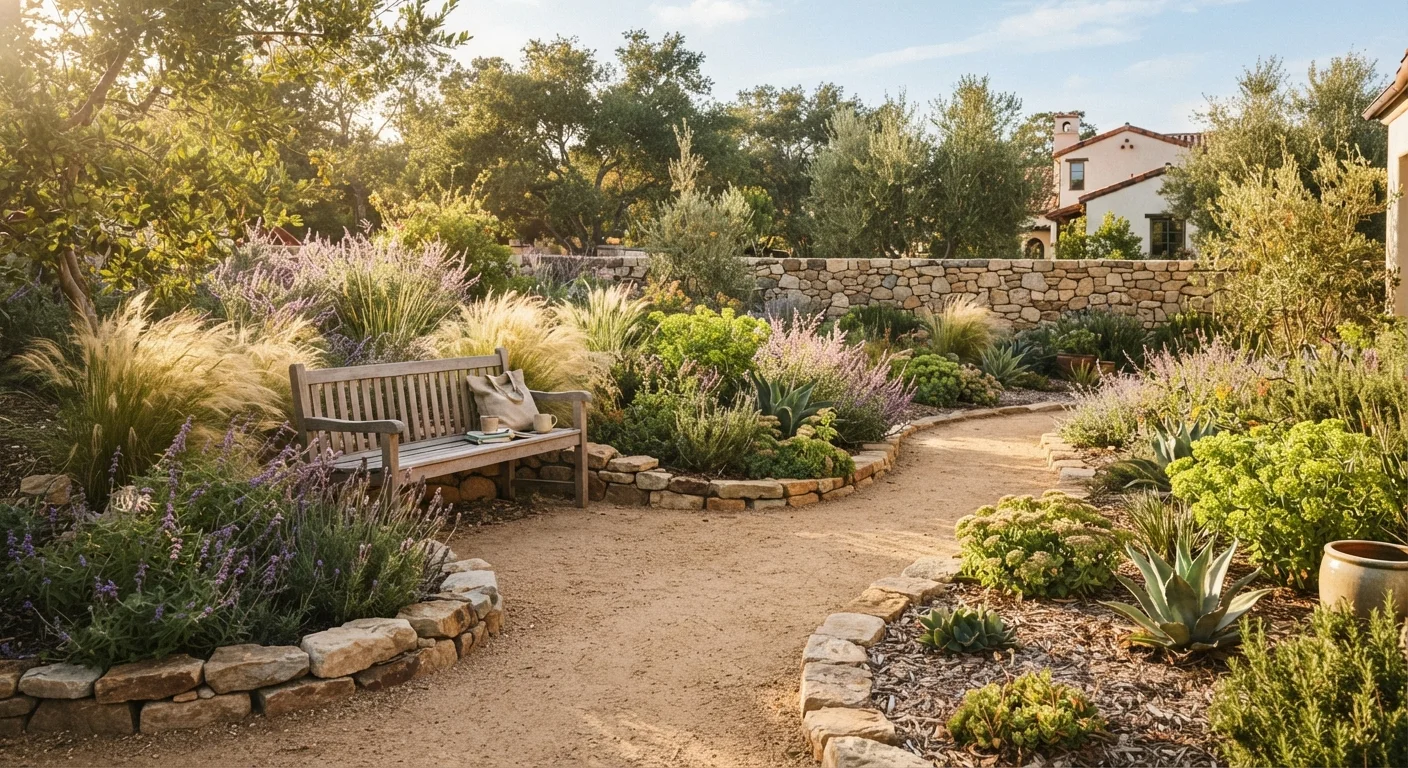
Photo credit: faqsnest.com
In this article
A curated look at outdoor design approaches — from gravel gardens to perennial beds — that reward less frequent attention.
Key Takeaways
- Choosing the right plants, materials, and layout dramatically reduces ongoing garden maintenance.
- Native and drought-tolerant plants are naturally adapted to local conditions and require less intervention.
- Ground covers, mulch, and hardscaping can suppress weeds and reduce watering needs simultaneously.
- Perennial beds return year after year, eliminating the seasonal replanting cycle of annuals.
- A low-maintenance design still benefits from one or two purposeful setup investments each year.
Why Design for Low Maintenance?
The appeal of outdoor living fades quickly when upkeep overtakes enjoyment. Weeding, watering, replanting, and trimming can consume weekends — turning a space that should recharge you into another chore. The good news: a well-designed outdoor space can look polished and feel inviting with far less ongoing effort, provided the foundational decisions are sound.
Low-maintenance design isn't about doing nothing. It's about front-loading smart choices — selecting the right plant types, materials, and layout — so that the space sustains itself more naturally over time. Whether you're working with a small city lot or a sprawling suburban backyard, the following approaches offer real structural relief from the maintenance treadmill.
Start With One Change, Not Seven
Low-maintenance design works best when changes are layered gradually rather than implemented all at once. Pick the single element causing you the most upkeep — often the lawn or a high-maintenance annual bed — and redesign that zone first. Once that area stabilizes, it's much easier to evaluate where to focus next without feeling overwhelmed by the overall project.
Outdoor Design Approaches That Reward Less Frequent Attention
Gravel and Decomposed Granite Gardens
Replacing turf or bare soil with gravel or decomposed granite is one of the highest-impact changes you can make to reduce maintenance. These materials suppress weeds when laid over a permeable landscape fabric, require no mowing, and handle drought conditions without complaint. They also drain well, reducing puddles and soil compaction after rain.
Decomposed granite (often called DG) compacts into a firm walking surface and is commonly used for paths and patios in drier climates. Pea gravel and crushed stone work well as decorative infill around plantings. Neither needs watering, feeding, or seasonal treatment. Your primary ongoing task is raking occasionally to redistribute material and pulling the few weeds that do push through.
Gravel and decomposed granite suppress weeds, need no mowing, and handle drought without complaint.
Native Plant Borders
Plants native to your region have evolved alongside local soils, rainfall patterns, and temperatures. Once established — typically after their first full growing season — many need little supplemental watering, no fertilizing, and minimal pest management. They've already solved the adaptation problem that exotic ornamentals struggle with.
A native plant border also supports local pollinators and wildlife, which means the ecosystem does more of the work for you. For a deeper look at the ecological case behind this approach, see our article on why ecologists recommend native plants. Focus on species native to your specific USDA hardiness zone for best results.
Once established, native plants need little supplemental watering, no fertilizer, and minimal pest control.
Perennial Beds Instead of Annual Displays
Annual flowers deliver bold seasonal color but require replanting every year — a cycle of purchasing, planting, and clearing that adds up in both time and cost. Perennials return from the same root system year after year, and a well-chosen mix can provide a long bloom season without that replanting labor.
Good low-maintenance perennial choices include coneflowers (Echinacea), black-eyed Susans (Rudbeckia), ornamental salvias, and daylilies — all of which are reasonably drought-tolerant once established and not aggressively invasive in most regions. Pair them with a 2–3 inch layer of organic mulch to retain moisture and keep weeds down between plants.
Perennials return from the same roots each year, eliminating the annual replanting cycle entirely.
Ground Cover Plants as Living Mulch
Bare soil is an open invitation to weeds. Ground cover plants — low-growing spreaders that knit together to form a dense mat — out-compete weeds by denying them light and space. Common options include creeping thyme, sedum varieties, and native violets, each suited to different light and moisture conditions.
Unlike traditional mulch, living ground covers don't need replenishing as they break down. They also add visual texture and, in many cases, seasonal flowers. The trade-off is a longer establishment period: plan for one to two growing seasons before the coverage becomes truly weed-suppressive. Once in place, maintenance typically drops to an occasional trim at the edges.
Ground cover plants out-compete weeds by denying them light — no replenishing required as they spread.
Drip Irrigation with a Timer
Watering by hand is time-consuming and often inconsistent. A drip irrigation system delivers water slowly and directly to root zones, reducing evaporation, discouraging foliar disease, and giving plants exactly what they need without oversaturation. Paired with a simple timer, it removes hand-watering from your weekly routine almost entirely.
Drip systems are scalable — you can start with a single raised bed or border and expand later. They pair especially well with mulched beds, where slow deep watering and moisture retention work together. If you're weighing raised beds as part of your design, the guide on raised beds versus in-ground gardens covers the structural trade-offs worth understanding first.
A drip timer removes hand-watering from your weekly routine and delivers water directly to root zones.
Mulched Pathways and Planting Zones
A consistent layer of mulch — typically 2 to 4 inches deep — serves several purposes at once: it retains soil moisture, moderates soil temperature, suppresses weeds, and improves soil structure as it breaks down over time. Applied correctly in spring, a good layer of organic mulch can significantly reduce both watering and weeding through the growing season.
Wood chip mulch, shredded bark, and straw are common organic options; each has different decomposition rates and appearances. Our dedicated guide on what mulch does and when to apply it walks through the differences in detail. Inorganic options like gravel and rubber mulch last longer but don't improve soil biology.
Two to four inches of mulch applied in spring can reduce watering and weeding for an entire growing season.
Simplified Lawn Areas or Lawn Alternatives
Conventional turfgrass is one of the most maintenance-intensive surfaces in the home landscape — requiring regular mowing, edging, fertilizing, aerating, and irrigation. Reducing the lawn footprint or replacing sections with lower-input alternatives can free up significant time and resources.
Clover lawns, low-growing native grasses, and ornamental meadow mixes are increasingly popular alternatives that require fewer mowings per season and little to no fertilizer. Where a hardened surface makes more sense — such as a patio or seating area — permeable pavers or flagstone set in gravel provide a durable, nearly zero-upkeep solution. Even shrinking the lawn by a third and replacing that area with a planted border makes a measurable difference in weekly effort.
Reducing lawn area even partially can free up significant time spent mowing, feeding, and irrigating.
Putting It Together
The most durable outdoor spaces tend to combine several of these strategies rather than relying on just one. A gravel garden with a perennial border and a simple drip system, for example, gives you weed suppression, water efficiency, and seasonal color with minimal weekly input. Start with whatever feels most urgent — maybe it's replacing a tired lawn section or swapping out thirsty annuals — then layer additional approaches as your confidence and budget allow.
If you're new to thinking about outdoor water use, our guide on drought-tolerant gardening principles covers water-wise strategies applicable to any climate. And if you'd like to understand what mulch actually does beneath the surface before committing to a type, the guide on mulching materials and timing is a solid next read.
Low-maintenance doesn't mean low-reward. Designed well, your outdoor space can offer beauty, function, and genuine rest — without consuming every free hour you have.

Author
Home & Garden Editorial Team
Home & Garden Editorial Team is the collective byline for our editorial team and contributor network. Articles published under this byline or an editorial pen name are researched, written, and reviewed according to our editorial standards for clarity, consistency, and independence before publication.
View all articles →