
Mulching: What It Does, What to Use, and When to Apply It
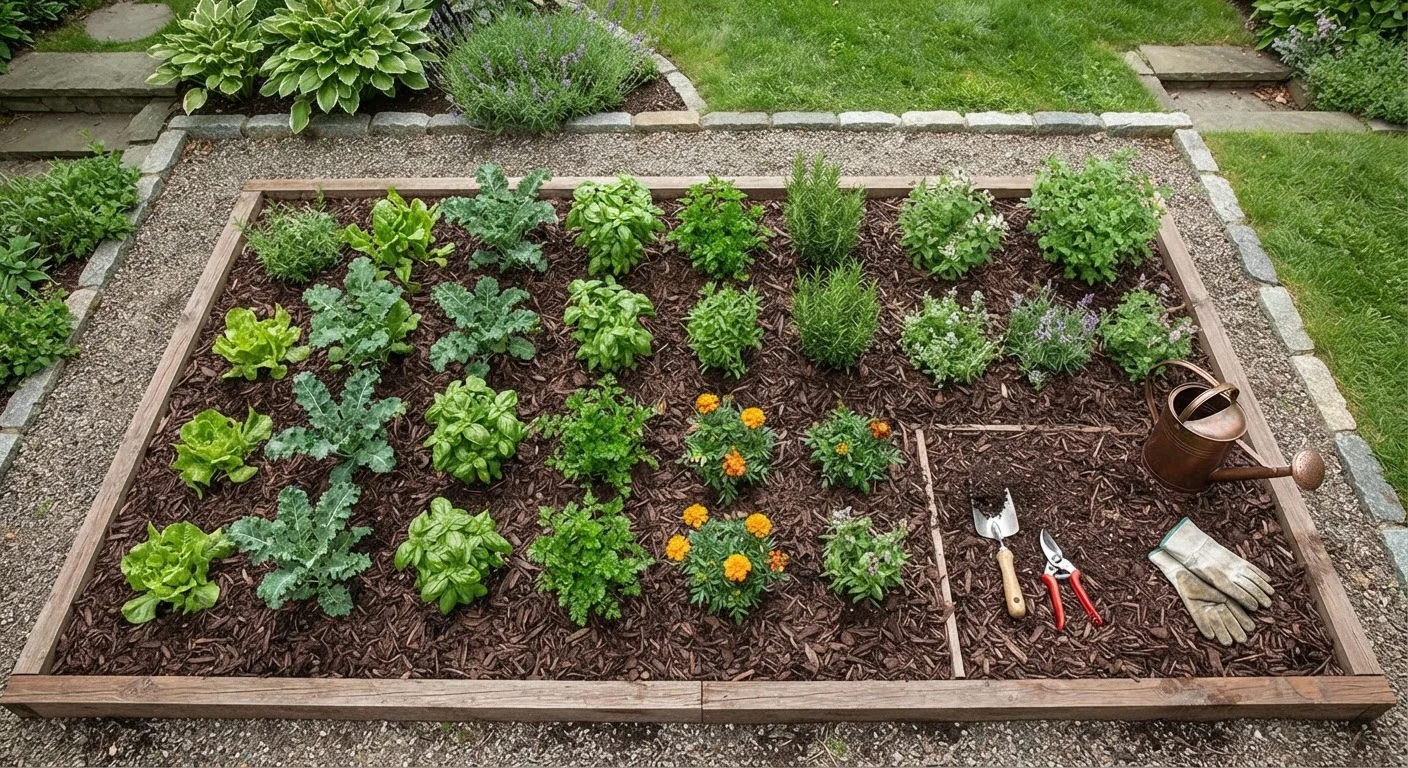
Photo credit: faqsnest.com
In this article
Mulch does more than look tidy. This guide covers how it works, the differences between organic and inorganic types, and timing tips.
Key Takeaways
- Mulch conserves moisture, suppresses weeds, and moderates soil temperature simultaneously.
- Organic mulches decompose and improve soil structure over time; inorganic types are longer-lasting but don't feed soil.
- Apply 2–4 inches of mulch, keeping it away from plant stems and tree trunks.
- Timing matters: mulch in spring after soil warms, or in fall to protect roots from frost.
- Avoid "volcano mulching" around trees — it invites disease and root problems.
What Mulch Actually Does for Your Soil and Plants
Mulch is any material spread over bare soil to protect and improve it. The benefits go well beyond a tidy appearance. A proper mulch layer works on several fronts at once, which is why experienced gardeners consider it one of the highest-return tasks in a seasonal maintenance routine.
Moisture retention is the most immediate benefit. Mulch slows evaporation from the soil surface, which means less frequent watering and more consistent hydration for plant roots — particularly valuable during summer dry spells.
Weed suppression is the second major function. By blocking light from reaching the soil surface, mulch prevents most weed seeds from germinating. Those that do break through are typically easier to pull from the loose, moist environment underneath.
Temperature regulation is less visible but equally important. Mulch insulates soil against temperature swings — keeping it cooler in midsummer heat and warmer during early frosts. This stability encourages deeper, more active root growth.
Over time, organic mulches also contribute to soil biology. As they break down, they feed earthworms and beneficial microbes, gradually improving soil structure and fertility. This connects closely to what organic matter does for soil health more broadly.
25–50%
Reduction in soil moisture loss with mulch
Research from university cooperative extension programs consistently shows mulched soil retains significantly more moisture than bare soil under the same conditions.
2–4 in
Optimal mulch depth for most garden beds
Most horticultural guidelines recommend this range to balance weed suppression, water retention, and adequate soil air exchange.
10°F
Soil temperature buffer provided by mulch
Studies show that a 3-inch mulch layer can moderate soil temperature fluctuations by approximately 10°F compared to unmulched surfaces.
Organic Mulches: Types and Their Trade-Offs
Organic mulches are derived from plant or animal material and decompose over time. That decomposition is a feature, not a flaw — it feeds soil life and adds humus (stable organic matter). The main practical difference between types is how quickly they break down and how they affect soil chemistry.
- Wood chips: Slow to decompose, excellent for pathways and around trees and shrubs. When fresh, high-carbon wood chips draw nitrogen from the soil surface as they break down — keep them away from the root zone of shallow-rooted annuals or apply a thin nitrogen supplement if needed.
- Bark mulch (shredded or nuggets): Longer-lasting than wood chips and visually clean. Nuggets can float in heavy rain; shredded bark knits together better on slopes.
- Straw: A classic vegetable garden mulch. It's light, easy to apply, and breaks down in a single season, adding organic matter. Avoid hay, which often contains viable weed seeds.
- Grass clippings: Free and nutrient-rich, but apply in thin layers only. Thick applications mat down and create an anaerobic, slimy barrier that repels water.
- Leaf mold (shredded leaves): One of the best soil conditioners available. Run dry leaves through a shredder or mow over them before applying to prevent matting.
- Compost: Technically a mulch when spread on top, though it breaks down quickly. More valuable as a soil amendment than a long-term mulch layer.
Organic mulch choices also depend on your garden type. If you're weighing how your beds are structured, the approach differs slightly between raised beds and in-ground gardens.
Inorganic Mulches: When and Where They Make Sense
Inorganic mulches don't decompose, which means they don't improve soil — but they also don't need annual replenishment. They're worth considering in specific situations.
- Gravel and crushed stone: Ideal around drought-tolerant plants, Mediterranean herb gardens, and xeriscaping designs. They reflect heat upward, which suits some plants but can stress others. They're a core element of low-maintenance outdoor design.
- Landscape fabric: Woven or spun fabric that allows water and air through while blocking light. Effective when first installed, but it degrades over several years and can be difficult to remove once soil and roots grow through it. Best used under gravel or stone rather than on its own.
- Plastic sheeting: Useful for warming soil early in the season (black plastic) or for specific row crops. It blocks air and water exchange entirely, so it's not suitable for permanent beds.
- Rubber mulch: Made from recycled tires; long-lasting and often used in playgrounds. Not recommended for vegetable gardens due to concerns about leaching, and it does nothing for soil biology.
For most home gardens, organic mulches are the default choice. Inorganic options earn their place where permanence, drainage, or aesthetics take priority over soil improvement.
How Deep to Apply Mulch
Depth is where many gardeners go wrong in both directions. Too little mulch — under 2 inches — lets weeds through and dries out quickly. Too much — over 4 inches for most materials — can waterlog roots, prevent gas exchange, and harbor pests.
General guidelines by material:
- Wood chips and bark: 3–4 inches
- Straw: 3–4 inches (it compresses)
- Shredded leaves or grass clippings: 2–3 inches
- Gravel or stone: 2–3 inches
- Compost used as mulch: 1–2 inches
Regardless of material, always leave a gap of at least 2–3 inches between the mulch and any plant stem, trunk, or crown. Moisture against bark promotes rot, fungal disease, and pest pressure.
Before topping up mulch in spring, rake the existing layer to break up any compaction or matting that formed over winter. A matted surface can actually repel rainfall like a thatched roof.
Decomposed organic mulch can form a hydrophobic crust when compressed, which defeats the moisture-retention purpose entirely.
Use a soil thermometer to decide when to apply spring mulch rather than going by the calendar — wait until the reading at 2 inches deep is consistently above 50°F for most crops.
Soil temperature determines root and microbial activity far more reliably than air temperature or date, and it varies by microclimate even within a single yard.
Timing: When to Mulch for Best Results
Timing your mulch application makes a real difference to its effectiveness. The two primary windows are spring and fall, each serving a different purpose.
Spring mulching should happen after the soil has had a chance to warm up following winter. Mulching too early in spring traps cold soil and delays root activity. Wait until nighttime temperatures are consistently above 40°F and any frost heaving has settled — typically mid-spring in most US regions. Clear existing weeds first, then apply.
Fall mulching is about protection rather than suppression. Apply it after the first hard frost has killed annual vegetation and before the ground freezes solid. This insulates perennial root systems and bulbs from damaging freeze-thaw cycles through winter.
You can also mulch mid-season if bare soil opens up due to plant loss or bed expansion — just make sure to weed thoroughly first so you're not locking in existing problems.
Refreshing organic mulch annually is normal. Check depth each spring and top up as needed after the soil warms.
Common Mulching Mistakes to Avoid
Even well-intentioned mulching can cause problems when applied incorrectly. These are the most common errors and how to sidestep them.
- Volcano mulching: Piling mulch in a cone up against a tree trunk. This traps moisture against the bark, promotes rot and fungal cankers, and can attract rodents that gnaw on the trunk. Always keep mulch flat and away from the trunk.
- Mulching over wet or compacted soil: Mulch amplifies whatever condition is underneath. If the soil is waterlogged, a thick mulch layer will make drainage worse. Address soil issues first.
- Using diseased plant material: Don't chip or shred plants that had fungal infections or bacterial disease for use as mulch. Doing so can spread the pathogen throughout your beds.
- Applying fresh wood chips directly around vegetables: High-carbon fresh chips compete for available soil nitrogen. Either compost them first or use them for paths rather than around food crops.
- Neglecting to replenish: Organic mulch breaks down — that's the point. But if you don't top it up, you lose the benefits. Check depth each season and add material as needed.
Mulching is one of the simplest ways to reduce garden workload while actively improving growing conditions. Getting the type, depth, and timing right turns it from a cosmetic task into a foundational part of sound garden management.

Author
Home & Garden Editorial Team
Home & Garden Editorial Team is the collective byline for our editorial team and contributor network. Articles published under this byline or an editorial pen name are researched, written, and reviewed according to our editorial standards for clarity, consistency, and independence before publication.
View all articles →