
Raised Beds vs. In-Ground Gardens: Weighing the Trade-Offs
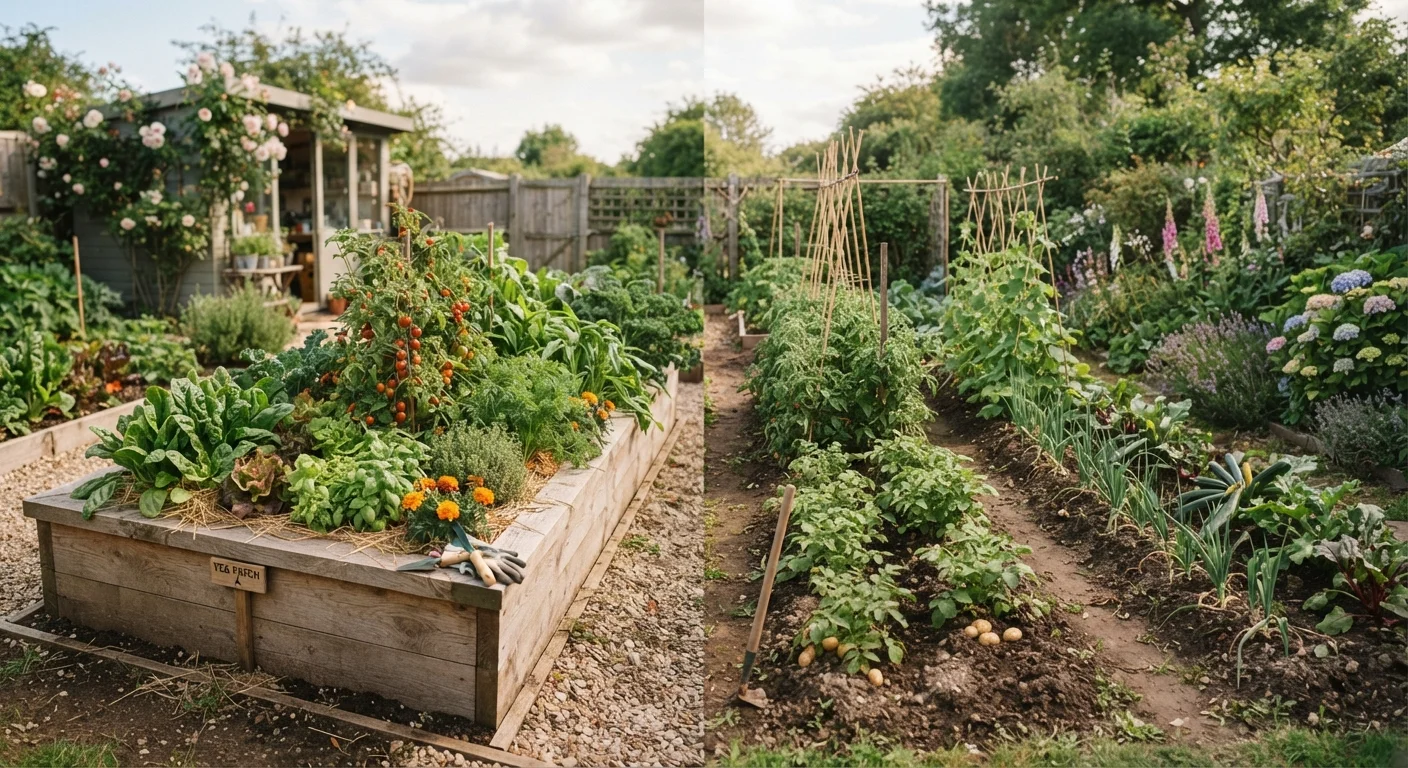
Photo credit: faqsnest.com
In this article
Raised beds and in-ground plots each suit different conditions and goals. Here's how to think through which approach fits your yard.
Key Takeaways
- Raised beds give you full control over soil quality but require a meaningful upfront investment in materials and fill.
- In-ground gardens are generally less expensive to start, but may need significant soil amendment work in poor-soil yards.
- Raised beds tend to drain faster and warm up earlier in spring, extending the growing season in cooler climates.
- In-ground plots are better suited to large-scale growing, deep-rooted crops, and gardeners focused on long-term cost efficiency.
- Neither method is universally superior — site conditions, budget, and personal goals should drive the decision.
- Soil health matters in both systems; good compost and organic matter are foundational regardless of which you choose.
What Each Approach Actually Involves
A raised bed is a framed growing area — typically built from wood, metal, or composite material — filled with a custom soil mix and elevated above the surrounding ground. Beds can range from a few inches to several feet in height. An in-ground garden uses the existing ground, amended or worked to improve growing conditions for plants.
Both approaches can support a wide range of vegetables, herbs, and flowers. The differences come down to startup work, ongoing maintenance, cost structure, and how well each method matches the conditions in your specific yard. Understanding those differences is what makes a clear choice possible.
If you're also exploring lower-commitment options, see our look at container gardening freedoms and limitations — a useful reference point for how the three approaches compare across different constraints.
Soil Control and Quality
This is where raised beds have a clear structural advantage. When you build a raised bed, you choose and control the growing medium from the start — typically a blend of topsoil, compost, and an aerating material like perlite or aged bark. That control means better drainage, improved aeration, and fewer compaction issues caused by foot traffic.
In-ground gardens rely on what's already there. In yards with naturally fertile, loamy soil, that's a significant asset. In yards with heavy clay, dense hardpan, or sandy soil that drains too fast, it means spending time and money on amendment — adding compost, organic matter, and sometimes gypsum or other conditioners across what can be a large surface area. Improving native soil is entirely achievable, but it typically takes more than one season to see meaningful results.
Soil health is central to both systems. Building your own compost is one of the most cost-effective ways to improve growing conditions over time, whether you're filling raised beds or amending an in-ground plot.
| Criterion | Raised Beds | In-Ground Gardens |
|---|---|---|
| Upfront cost | Higher (materials + fill soil) | Lower (tools + compost) |
| Soil control | Full — custom mix from day one | Limited — depends on native soil |
| Drainage | Excellent; may need more watering | Variable; can waterlog in clay soils |
| Spring warmup | Faster — earlier planting possible | Slower — later seasonal start |
| Weed pressure | Generally lower with proper fill | Typically higher; ongoing management needed |
| Scalability | Moderate — each bed adds cost | High — easy to expand footprint |
| Accessibility | High — adjustable working height | Lower — requires kneeling or bending |
| Deep-rooted crops | Limited by bed depth | Unrestricted — ideal for most roots |
Cost, Effort, and Long-Term Maintenance
In-ground gardening has a much lower barrier to entry. You'll need basic tools — a spade, a fork, and some compost — and you can be planting within a weekend. Raised beds involve material costs (lumber, metal, or composite panels), hardware, and enough fill mix to pack the volume of the bed. A standard 4×8-foot bed can require a substantial amount of soil blend, and that cost multiplies with each additional bed.
Over time, though, raised beds may recoup some of that investment through reduced weeding, easier pest management, and less water waste. Their contained soil doesn't spread, which makes targeted care more practical. In-ground plots, by contrast, tend to require more ongoing weed control and can be harder to fence or protect from burrowing pests like voles.
Watering dynamics also differ. Raised beds dry out faster due to improved drainage and increased air exposure on their sides — particularly important to understand in drier climates. For guidance on optimizing irrigation in any setup, our article on drought-tolerant gardening principles covers water-efficient strategies worth applying either way. You can also check our piece on garden watering myths to avoid common irrigation mistakes in both systems.
Growing Season and Plant Suitability
Raised beds warm up more quickly in spring because the contained growing medium absorbs heat faster than a large mass of in-ground soil. For gardeners in cold-winter climates, this can translate to planting two to four weeks earlier — a meaningful advantage for crops like tomatoes, peppers, and cucumbers that need a long growing window.
In-ground soil, however, holds moisture better and stays cooler in hot summer climates — a trait that suits crops like brassicas, root vegetables, and cool-season greens. Deep-rooted plants such as parsnips, corn, or sprawling squash vines also benefit from the unrestricted depth and horizontal spread that in-ground growing provides.
Plant selection can work well in both systems with good planning. Companion planting strategies apply equally to raised and in-ground setups and are worth considering at the layout stage regardless of which method you choose. And when it comes to finishing touches like weed suppression and moisture retention, the principles of mulching are equally effective in either context.

Author
Home & Garden Editorial Team
Home & Garden Editorial Team is the collective byline for our editorial team and contributor network. Articles published under this byline or an editorial pen name are researched, written, and reviewed according to our editorial standards for clarity, consistency, and independence before publication.
View all articles →