
Garden Watering Myths That Could Be Hurting Your Plants
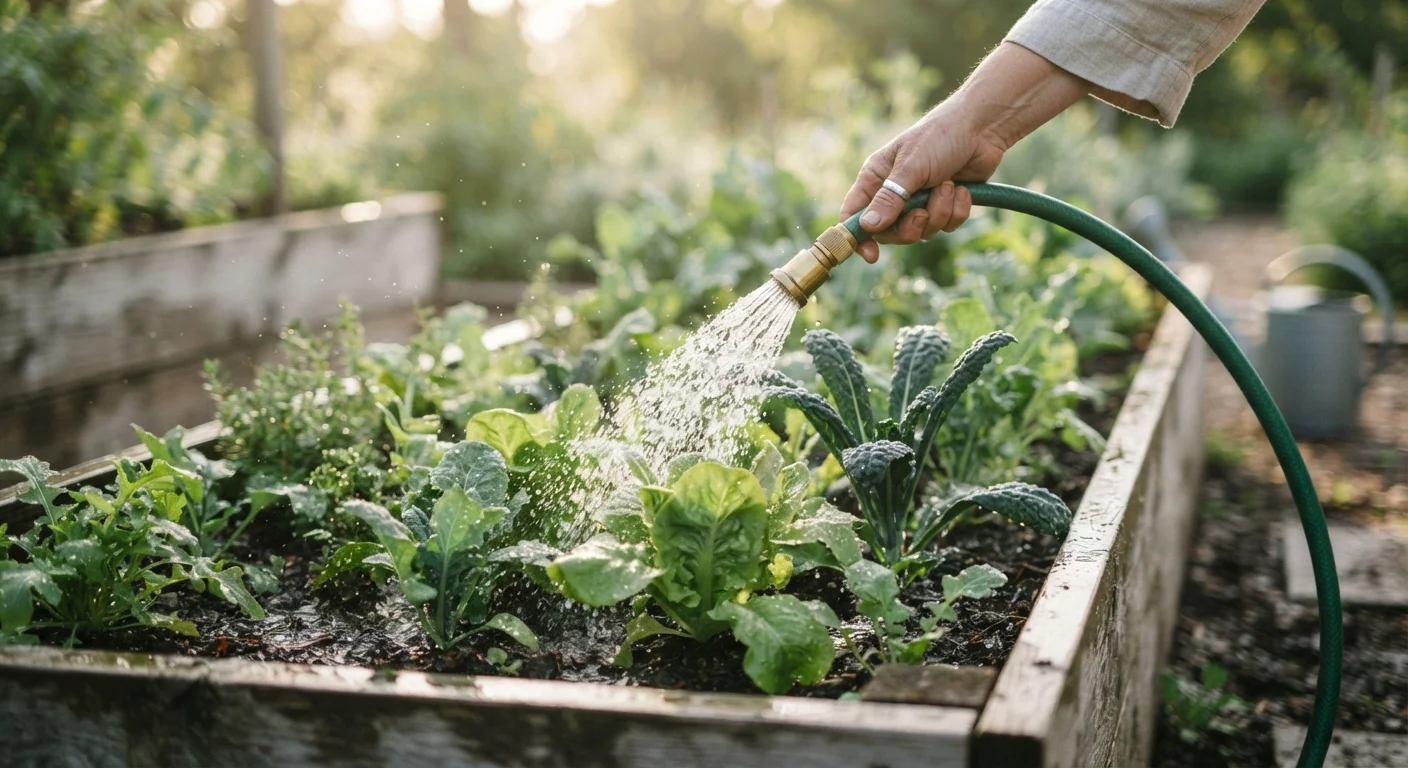
Photo credit: faqsnest.com
From watering at night to daily routines, many common habits are built on misconceptions. Here's what the evidence actually says.
Key Takeaways
- Watering at night is not always harmful — what matters most is keeping foliage dry.
- Daily watering can actually encourage shallow roots and weaken plants over time.
- Wilting doesn't always mean a plant needs water; overwatering causes similar symptoms.
- Deep, infrequent watering promotes stronger root systems than frequent light sprinkles.
- Mulching reduces moisture loss significantly and is often more effective than adjusting watering schedules.
Why Watering Advice Gets So Confusing
Garden watering feels intuitive — plants need water, so you give them water. But much of what passes for conventional wisdom in this area is either oversimplified or flat-out wrong. Misguided watering habits are one of the most common causes of struggling or dead plants, and the frustrating part is that both underwatering and overwatering can look remarkably similar from the surface.
The myths below aren't obscure edge cases. They're the kind of advice shared between neighbors, passed down in gardening books from past decades, or repeated so often they've taken on the weight of fact. Correcting them is the first step toward a healthier, more resilient garden. For readers dealing with seedling losses in particular, overwatering is often a central culprit worth understanding in depth.
Myth
You should water your garden every day to keep plants healthy.
Fact
Most established plants benefit from deep, infrequent watering rather than daily light applications.
Daily shallow watering keeps moisture near the surface, which is exactly where you don't want roots to stay. Roots will follow the water — if moisture is always at the top inch of soil, roots won't grow deep. Shallow-rooted plants are more vulnerable to heat stress and drought. Most vegetables and ornamentals do better when watered thoroughly every few days, allowing the top inch or two to dry between sessions. Containers and seedlings are exceptions and may need more frequent attention depending on conditions.
Myth
Watering at night causes disease and should always be avoided.
Fact
The timing matters less than whether foliage stays wet overnight — drip irrigation and soil-directed watering at any hour is generally fine.
The concern behind this myth is legitimate: prolonged leaf wetness can encourage fungal diseases like powdery mildew. But the problem is wet foliage, not the hour on the clock. If you're using drip lines or a soaker hose that delivers water directly to the soil, nighttime watering is perfectly acceptable and can even reduce evaporation loss. Morning is generally preferred for overhead watering because foliage has time to dry before temperatures drop. Avoid overhead watering late in the evening regardless of season.
Myth
Wilting always means a plant is thirsty and needs water immediately.
Fact
Wilting is a stress response that can be caused by overwatering, heat, root damage, or disease — not just drought.
Reaching for the hose at the first sign of drooping is one of the most common gardening mistakes. Overwatered roots become oxygen-deprived and begin to rot, impairing a plant's ability to take up water — which causes wilting that looks identical to drought stress. Before watering a wilting plant, check the soil. If it's already moist an inch or two down, withhold water and investigate further. Some plants also wilt temporarily during peak afternoon heat as a protective measure, then recover on their own as temperatures drop.
Myth
More water is always better during a heat wave.
Fact
During extreme heat, plants often reduce their own water uptake — overwatering during these periods can worsen root stress.
It seems logical to give plants extra water when temperatures spike, but plants under severe heat stress often close their stomata (the pores through which they exchange gases and lose water) to conserve moisture. At that point, the limiting factor isn't water availability — it's the plant's ability to use it. Soggy soil during a heat wave can promote anaerobic conditions at the root zone. A better approach during heat waves is to ensure soil moisture is consistent, apply mulch to moderate soil temperature, and water early in the morning when plants are best positioned to absorb it.
Myth
Rainwater is always enough — if it rained this week, you don't need to water.
Fact
Rainfall amounts, soil absorption, and plant needs vary too much to rely on precipitation alone without checking soil moisture.
A brief shower may wet the top layer of soil without penetrating to root depth. Mature trees and shrubs with deep root systems may receive adequate moisture from moderate rain, while shallow-rooted annuals and vegetables in the same garden bed may not. Dense plant canopies can also intercept rainfall before it reaches the soil. After any rain event, check soil moisture a few inches down before skipping your watering routine — especially in summer when evaporation rates are high.
Myth
Yellowing leaves are a sign of underwatering.
Fact
Yellow leaves are a non-specific symptom with many causes, including overwatering, nutrient deficiency, poor drainage, and pests.
Yellow leaves are one of the most misread signals in gardening. While drought-stressed plants can yellow, overwatered plants often yellow first — because saturated soil drives out oxygen and kills the fine root hairs responsible for nutrient uptake. Nitrogen deficiency, iron chlorosis, and certain viral or fungal infections also present as leaf yellowing. Diagnosing by watering alone is likely to make many of these problems worse. Look at the pattern of yellowing (lower leaves, new growth, between veins), check drainage, and consider soil nutrient levels before adjusting your watering.
What the Evidence Suggests Instead
Good watering practice isn't about following a fixed clock — it's about responding to your soil, your climate, and your specific plants. Soil type matters enormously: sandy soils drain quickly and may need more frequent attention, while clay soils hold moisture longer and are prone to waterlogging. A simple finger-test (pressing an inch or two into the soil to check for moisture) is more reliable than any schedule.
Watering deeply and less frequently encourages roots to grow downward in search of moisture, making plants more drought-tolerant over time. Pairing this approach with mulch — applied 2–3 inches around plant bases but kept away from stems — can dramatically reduce surface evaporation. Readers who want to build a more water-efficient garden overall will find useful principles in drought-tolerant gardening strategies, which apply even in regions that aren't especially dry.
50%
Estimated residential water wasted on landscapes
According to the U.S. Environmental Protection Agency, roughly half of residential outdoor water use is wasted due to inefficient irrigation methods and overwatering.
2–3 inches
Optimal mulch depth for moisture retention
Cooperative Extension Services across the U.S. generally recommend 2–3 inches of organic mulch around plants to meaningfully reduce soil moisture evaporation.
1 inch/week
General water guideline for most vegetables
Many university extension programs cite approximately one inch of water per week (from rain and irrigation combined) as a baseline for most vegetable gardens, though soil type and climate adjust that figure.
For those choosing between raised beds and in-ground planting, it's worth noting that drainage and watering needs differ between setups — raised beds vs. in-ground gardens covers those trade-offs in detail. Similarly, gardeners interested in reducing long-term water needs might also explore native plants, which are often adapted to regional rainfall patterns and require less supplemental irrigation once established.

Author
Home & Garden Editorial Team
Home & Garden Editorial Team is the collective byline for our editorial team and contributor network. Articles published under this byline or an editorial pen name are researched, written, and reviewed according to our editorial standards for clarity, consistency, and independence before publication.
View all articles →