
Why Your Seedlings Keep Dying After Germination
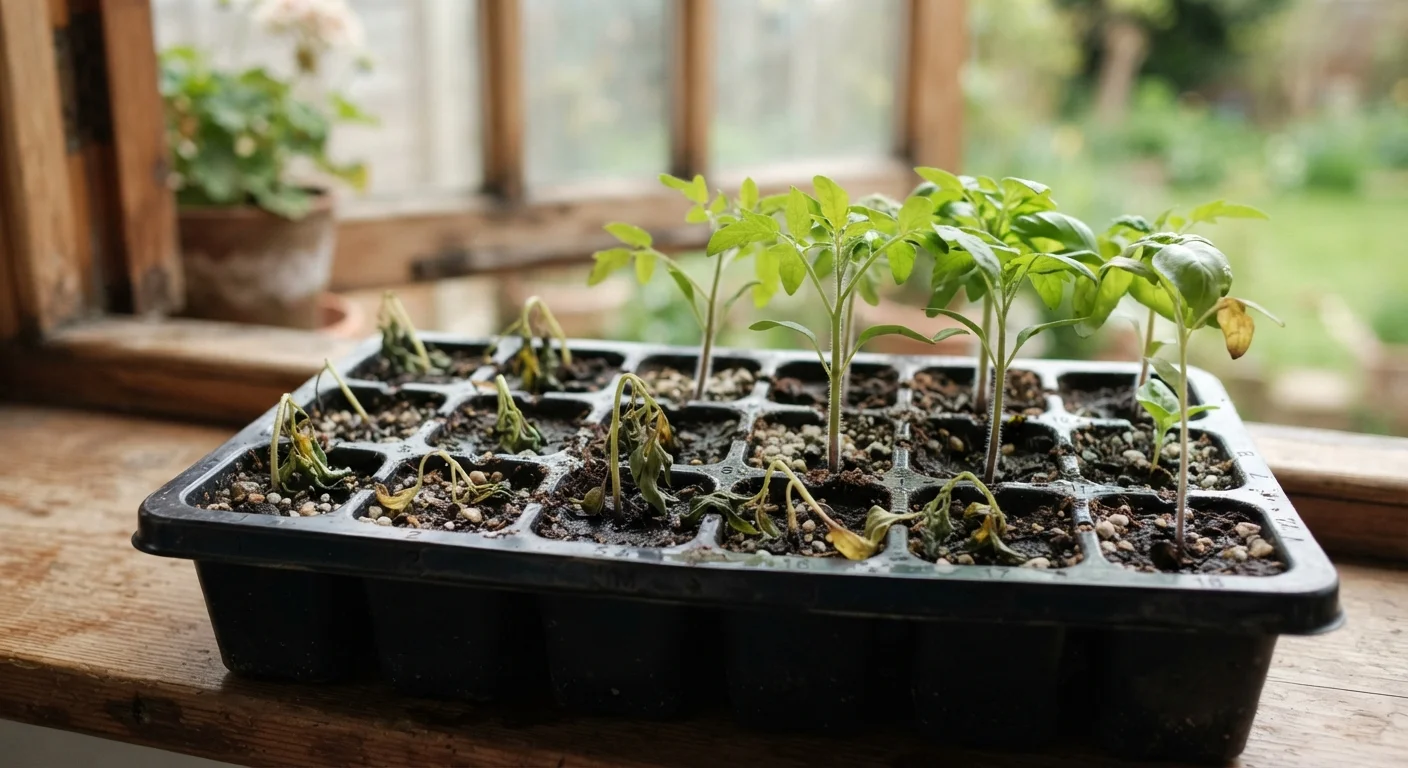
Photo credit: faqsnest.com
In this article
Damping off, overwatering, and poor light are common culprits. Learn what's likely killing your seedlings and how to stop it.
Key Takeaways
- Damping off is a fungal disease that kills seedlings at the soil line — prevention is the only reliable cure.
- Overwatering is the most common mistake beginners make; seedlings need moisture, not saturation.
- Insufficient light causes weak, leggy growth that makes seedlings vulnerable to stress and disease.
- Using non-sterile potting mix or reused containers introduces pathogens that kill young plants.
- Transplanting too early without hardening off exposes seedlings to conditions they can't yet tolerate.
Why Seedling Failure Is So Common
Germination feels like a victory — but it's only the first step. The seedling stage is arguably the most vulnerable phase of a plant's life. At this point, roots are shallow, stems are thin, and the plant has almost no reserves to draw on when conditions go wrong. Even small errors in watering, light, or sanitation can tip the balance from survival to collapse.
The encouraging news is that most seedling failures trace back to a handful of predictable, correctable mistakes. Understanding what's actually happening beneath the surface — and why it happens — makes it far easier to intervene early or prevent problems altogether. Whether you're starting vegetables on a windowsill or germinating perennials under grow lights, the same principles apply.
Before sowing, it's worth taking time to understand what your seeds actually need. Our guide on reading seed packet labels can help you decode sowing depth, spacing, and timing requirements before problems start.
The Mistakes That Are Killing Your Seedlings
Below are the most common errors gardeners make after germination — each one preventable with the right adjustments.
Overwatering the growing medium, keeping it constantly saturated rather than evenly moist.
Why it happens: Beginners often equate wilting with thirst and respond by adding more water — but wilting can also signal root damage from oxygen-starved, waterlogged soil.
Allowing damping off — a fungal disease that causes seedlings to collapse at the soil line — to take hold.
Why it happens: Damping off is caused by several soil-borne fungi that thrive in cool, damp, poorly ventilated conditions. It spreads rapidly and can wipe out an entire tray within days.
Providing insufficient light, causing seedlings to become etiolated — pale, stretched, and structurally weak.
Why it happens: Windowsills often seem bright but deliver far less light intensity than seedlings need, especially during winter months or in north-facing rooms.
Starting seeds in non-sterile garden soil or reusing containers without sanitizing them.
Why it happens: Garden soil seems like a natural choice, but it compacts easily in containers, drains poorly, and carries weed seeds and pathogens that overwhelm fragile seedlings.
Transplanting seedlings outdoors without a proper hardening-off period.
Why it happens: Impatience and good weather can tempt gardeners to move seedlings outside before they've adapted to wind, temperature fluctuations, and direct sun intensity.
If you find yourself watering frequently to compensate for wilting, it's worth revisiting your approach. Our article on garden watering myths breaks down why many standard watering habits actually harm rather than help plants at all stages.
Building Better Conditions from the Start
70%+
Seedling losses attributed to damping off
Horticultural extension programs consistently identify damping off as one of the leading causes of seedling failure in home and commercial greenhouse settings.
16 hrs
Daily light needed for healthy seedling growth
University cooperative extension guidelines recommend 14–16 hours of light per day for most vegetable seedlings started indoors under artificial lighting.
Most seedling problems are systemic — they stem from the environment, not bad luck. Setting up the right conditions before you sow is far more effective than trying to troubleshoot after seedlings start failing. Use a clean, sterile seed-starting mix (not garden soil, which compacts and harbors pathogens). Wash containers with a dilute bleach solution if reusing them from a previous season. Ensure your setup has adequate airflow — a small fan running on low a few hours a day strengthens stems and reduces humidity at the soil surface.
Position seedlings where they receive a minimum of 12–16 hours of bright light daily. A south-facing window in winter rarely delivers this; supplemental grow lights on a timer are typically more reliable. When it's time to move seedlings outdoors, harden them off gradually over 7–10 days, starting with short sessions in a sheltered spot out of direct afternoon sun.
For gardeners in water-limited settings, the discipline of careful watering that protects seedlings is also foundational to long-term garden health. The strategies outlined in drought-tolerant gardening apply well beyond dry climates — they reflect good soil and moisture management for any garden.
Seedling care doesn't require expensive equipment or a perfect setup. It requires consistency, observation, and the willingness to adjust when something isn't working. Start with clean materials, appropriate light, and restrained watering — and most seedlings will reward you with strong, healthy growth.

Author
Home & Garden Editorial Team
Home & Garden Editorial Team is the collective byline for our editorial team and contributor network. Articles published under this byline or an editorial pen name are researched, written, and reviewed according to our editorial standards for clarity, consistency, and independence before publication.
View all articles →