
Reading a Seed Packet: Every Label Element Decoded
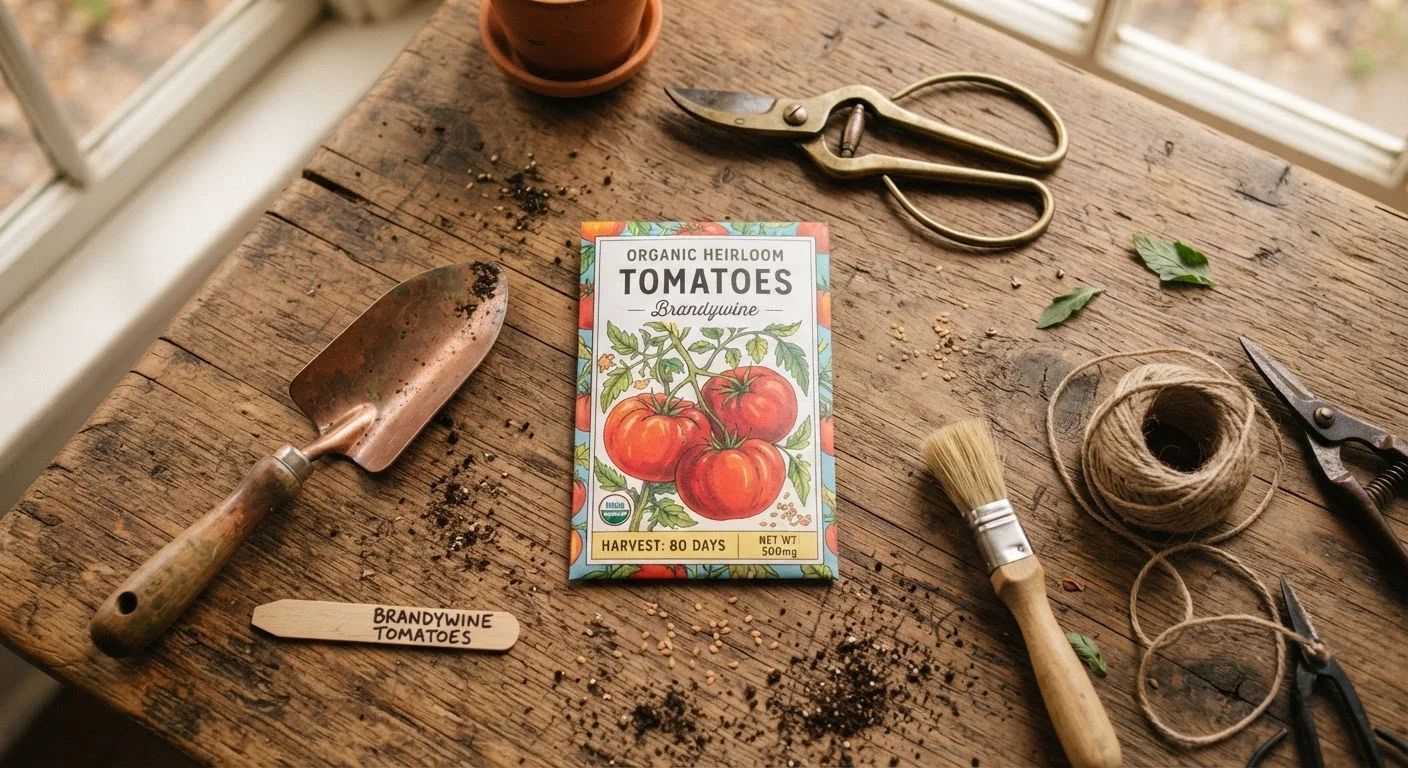
Photo credit: faqsnest.com
In this article
Sowing depth, spacing, days to maturity — seed packets pack in a lot. Here's what each section means and how to use the information.
Why Seed Packets Are Worth Reading Carefully
A seed packet is more than packaging — it's a compressed growing manual written by the people who bred and tested that variety. Gardeners who skim past the label and rely on intuition tend to sow at the wrong depth, in the wrong season, or in the wrong spot. Those who read closely give their plants a head start before a single seed hits the soil.
The information on a standard packet follows conventions that most seed companies share, so once you learn the structure, you can decode any packet — from tomatoes to zinnias to parsnips. If you're planning your first vegetable garden, treat the seed packet as your primary reference, not an afterthought.
Days to Maturity (DTM)
The average number of days from germination or transplanting until a crop is ready to harvest. This figure varies by growing conditions and should be used as a planning guide, not a precise deadline.
Direct Sow
Planting seeds directly into the ground or container where the plant will grow, rather than starting them indoors and transplanting. Many root vegetables and fast-growing crops are best direct sown.
Germination Rate
The percentage of seeds in a lot expected to sprout under optimal conditions. Determined by laboratory testing; real-world rates may be lower depending on soil, moisture, and temperature.
Thinning
Removing excess seedlings after germination to give remaining plants adequate space to develop. Usually done by snipping seedlings at soil level rather than pulling, to avoid disturbing neighboring roots.
Cultivar
A plant variety that has been selectively bred for specific traits such as flavor, size, disease resistance, or color. The cultivar name appears alongside the species name on seed packets.
Lot Number
A traceability code printed on seed packets that identifies the specific production batch. Used by seed companies to track quality issues and by growers to report germination problems.
The Key Elements, One by One
Variety Name and Type
The bold name at the top identifies the specific cultivar, not just the crop. 'Cherry Belle' radish and 'Daikon' radish are both radishes, but they differ dramatically in size, flavor, and days to maturity. The variety name matters most when you're saving seeds, comparing yields, or repeating a success from last year.
Days to Maturity
This number — often listed as DTM — tells you how many days from transplant (for starts) or from germination (for direct-sown seeds) until the plant is ready to harvest. It's an average under typical conditions, not a guarantee. Use it to count backward from your first expected frost date to determine whether a crop can realistically finish before the season ends.
Planting Depth
Seeds are sensitive to depth. Sow too shallow and they dry out or get displaced; too deep and they exhaust their energy reserves before reaching light. Packets state depth in fractions of an inch or in centimeters. Fine seeds (carrots, lettuce) are often pressed onto the surface or barely covered. Larger seeds (beans, squash) go deeper — typically 1 to 2 inches.
Spacing and Thinning
Two numbers usually appear here: spacing between seeds at planting and final spacing after thinning. Crowded plants compete for water, nutrients, and airflow, which invites disease. Thinning feels wasteful but it's essential. For container growers, spacing guidance is equally critical — see how container constraints affect plant density.
Sunlight Requirements
Packets categorize sun needs as Full Sun (6+ hours of direct sun daily), Part Sun or Part Shade (3–6 hours), or Full Shade (under 3 hours). These aren't decorative — plants in the wrong light either bolt prematurely or fail to fruit. Measure your actual site before choosing varieties.
When to Sow: Direct Sow vs. Start Indoors
Most packets specify whether to direct sow outdoors or start seeds indoors weeks before the last frost. Indoor start dates are usually given as a number of weeks before transplanting. A packet that reads Start indoors 6–8 weeks before last frost requires you to know your local last frost date — a figure available from your regional cooperative extension service or agricultural agency.
Germination Temperature
Seeds have a preferred soil temperature range for sprouting. Cool-season crops like spinach and peas germinate in soil as cool as 40–50°F, while warm-season crops like peppers and melons need 70–85°F. Ignoring this is a common reason for poor germination rates.
Seed Count and Lot Number
The seed count tells you how many seeds are inside — useful for planning succession plantings. The lot number is a traceability code the company uses internally. If seeds fail to germinate at an unusually high rate, this number helps you report the batch.
Knowing what's planted nearby matters too — review companion planting pairings before finalizing your bed layout.
Germination Rate and What It Means in Practice
Packets often list a germination percentage — for example, 85% germination rate. This figure comes from laboratory testing on that seed lot under controlled conditions. In practice, your rate may be lower due to soil temperature, moisture inconsistency, or seed age.
Use the percentage to adjust how many seeds you sow. If you need 20 plants and germination is 80%, sow at least 25 seeds to account for typical losses. This is especially important for crops with long growing seasons, where a slow start means fewer opportunities to resow.
Once your seedlings are established, soil surface management makes a real difference in moisture retention. Mulching around young plants helps regulate soil temperature and keep weeds suppressed as crops develop.
| Full Sun Definition | 6 or more hours of direct sunlight per day |
| Typical Indoor Start Lead Time | 4–10 weeks before last frost (crop-dependent) |
| Cool-Season Germination Temp | 40–60°F soil temperature |
| Warm-Season Germination Temp | 65–85°F soil temperature |
| Seed Depth Rule of Thumb | Plant at a depth 2–3 times the seed's diameter |
| Germination Rate Threshold | Seeds below 70% germination rate may not be worth sowing |

Author
Home & Garden Editorial Team
Home & Garden Editorial Team is the collective byline for our editorial team and contributor network. Articles published under this byline or an editorial pen name are researched, written, and reviewed according to our editorial standards for clarity, consistency, and independence before publication.
View all articles →