
Native Plants and Why Ecologists Keep Recommending Them
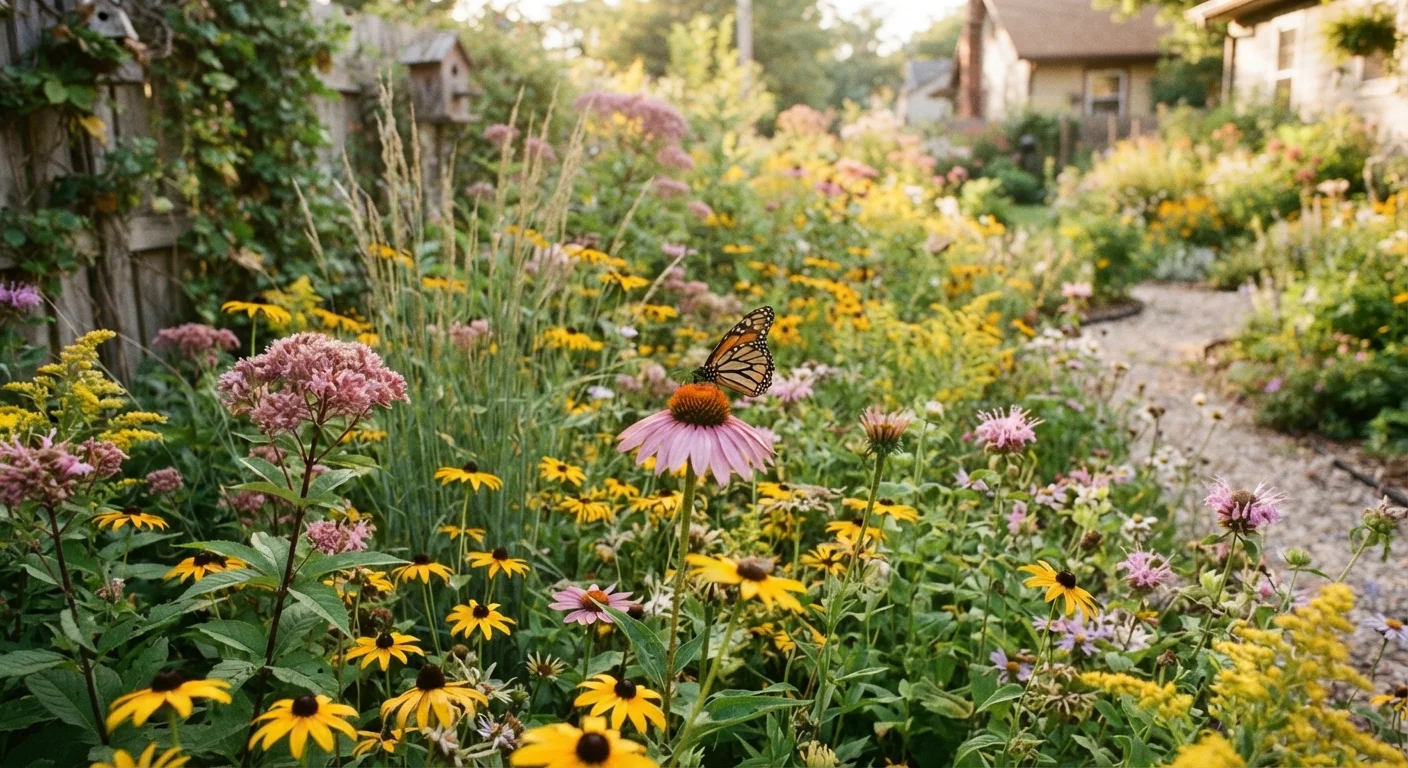
Photo credit: faqsnest.com
In this article
Native plants are more than a trend. Understand what makes a plant native, and why planting them matters for local ecosystems.
Key Takeaways
- Native plants are species that evolved in a specific region without human introduction.
- They support local insects, birds, and soil organisms that non-natives often cannot.
- Native plants are typically better adapted to local soils and rainfall patterns.
- Nativity is regionally specific — a plant native to one state may be invasive in another.
- Even small native plantings can meaningfully support local biodiversity.
What It Actually Means for a Plant to Be Native
The word "native" gets used loosely in gardening, but ecologists use it precisely. A native plant is one that established itself in a region through natural processes — not through human transport or cultivation. In North America, this typically means before European colonization, though the benchmark varies by scientific framework.
Crucially, nativity is tied to geography at a fine scale. Echinacea purpurea (purple coneflower) is native to the central and eastern United States but is not native to the American West. Introducing it outside its native range may offer some pollinator value, but it doesn't carry the same ecological significance as it does on its home turf — and in some ecosystems, non-local plants can interfere with local plant communities.
This regional specificity matters when you're choosing plants. A cultivated variety (or "cultivar") of a native species — bred for showier blooms or unusual foliage — may also behave differently from its wild parent, sometimes producing less viable seed or pollen that insects can't use as efficiently. The closer a plant is to its original wild form, the more reliably it functions within a local ecosystem.
The Ecological Case: Why Ecologists Keep Pushing for Natives
The argument for native plants goes well beyond aesthetics. Ecosystems are built on co-evolved relationships — insects, birds, fungi, and plants that have adapted to one another over enormous stretches of time. Disrupting those relationships by replacing natives with ornamentals has cascading effects that researchers have spent decades documenting.
96%
Of terrestrial birds rely on insects to feed young
According to research synthesized by entomologist Doug Tallamy, nearly all land birds require insect protein to rear their chicks, making insect-supporting native plants critical to bird reproduction.
4x
More native bee species on native vs. non-native plants
Studies published in ecological journals have found native plantings support significantly higher native bee diversity compared to conventional ornamental plantings of similar size.
70%
Of U.S. land is privately owned
Because most U.S. land is in private hands, residential gardening choices — including plant selection — have an outsized cumulative effect on regional biodiversity.
Entomologist Doug Tallamy's research at the University of Delaware is widely cited in this field. His work examined how many caterpillar species — a critical food source for nesting birds — could use various trees and shrubs. Native oaks, for example, supported hundreds of caterpillar species, while introduced ornamentals supported very few. Fewer caterpillars means less food for birds during breeding season, which means declining bird populations even in suburban areas that appear green and leafy.
Soil ecosystems are also affected. Native plants support mycorrhizal fungi and soil bacteria they've co-evolved with. These underground networks help plants access water and nutrients, and they in turn depend on specific plant root chemistry. Swapping out natives for non-native species can weaken these underground systems, reducing the resilience of the entire planting area.
“Suburbia is not a no-man's land for wildlife. Collectively, suburban landscapes represent the largest opportunity for conservation in the United States — if we plant the right plants.”
— Doug Tallamy, Professor of Entomology and Wildlife Ecology, University of Delaware
Practical Benefits for the Home Gardener
Beyond ecology, native plants offer real, practical advantages for gardeners — especially those looking to reduce maintenance over time. Because they're adapted to local rainfall patterns, soil types, and temperature swings, established native plants typically need less supplemental watering than non-native ornamentals. This aligns well with water-wise gardening strategies that help any garden use water more efficiently.
Many natives are also more resistant to local pests and diseases because they've evolved basic defenses against regional threats. That doesn't mean they're pest-free — but it often means you're less likely to be reaching for interventions to keep them healthy.
For gardeners interested in designing spaces that reward less frequent attention, native perennials are a natural fit. Many self-seed modestly, fill in over time, and require little deadheading to remain productive. See how they can work in low-maintenance outdoor design frameworks that emphasize long-term performance over constant upkeep.
How to Start Incorporating Natives Into Your Garden
You don't need to tear out your entire landscape to make a difference. Even small native plantings — a corner bed, a rain garden strip, a few native shrubs along a fence line — can support local insects and birds meaningfully. Starting small lets you learn which species thrive in your specific soil and light conditions before scaling up.
Begin by identifying your ecoregion and researching which plant species are truly local to it. Your state's Cooperative Extension Service, native plant societies, and the USDA PLANTS database are reliable, science-backed resources. Look for straight species or locally sourced ecotypes rather than heavily bred cultivars where possible.
Consider pairing natives with strategic companion planting to support plant health and pest balance within beds. And pay attention to establishment-phase watering — natives are not drought-tolerant from day one. The first growing season, in particular, requires consistent moisture to help roots establish. Once they're settled, the low-maintenance reputation tends to follow. Reviewing common watering misconceptions can help you avoid habits that stress young plants during this critical window.
Frequently Asked Questions

Author
Home & Garden Editorial Team
Home & Garden Editorial Team is the collective byline for our editorial team and contributor network. Articles published under this byline or an editorial pen name are researched, written, and reviewed according to our editorial standards for clarity, consistency, and independence before publication.
View all articles →