
Seasonal Garden Maintenance: A Year-Round Task Checklist
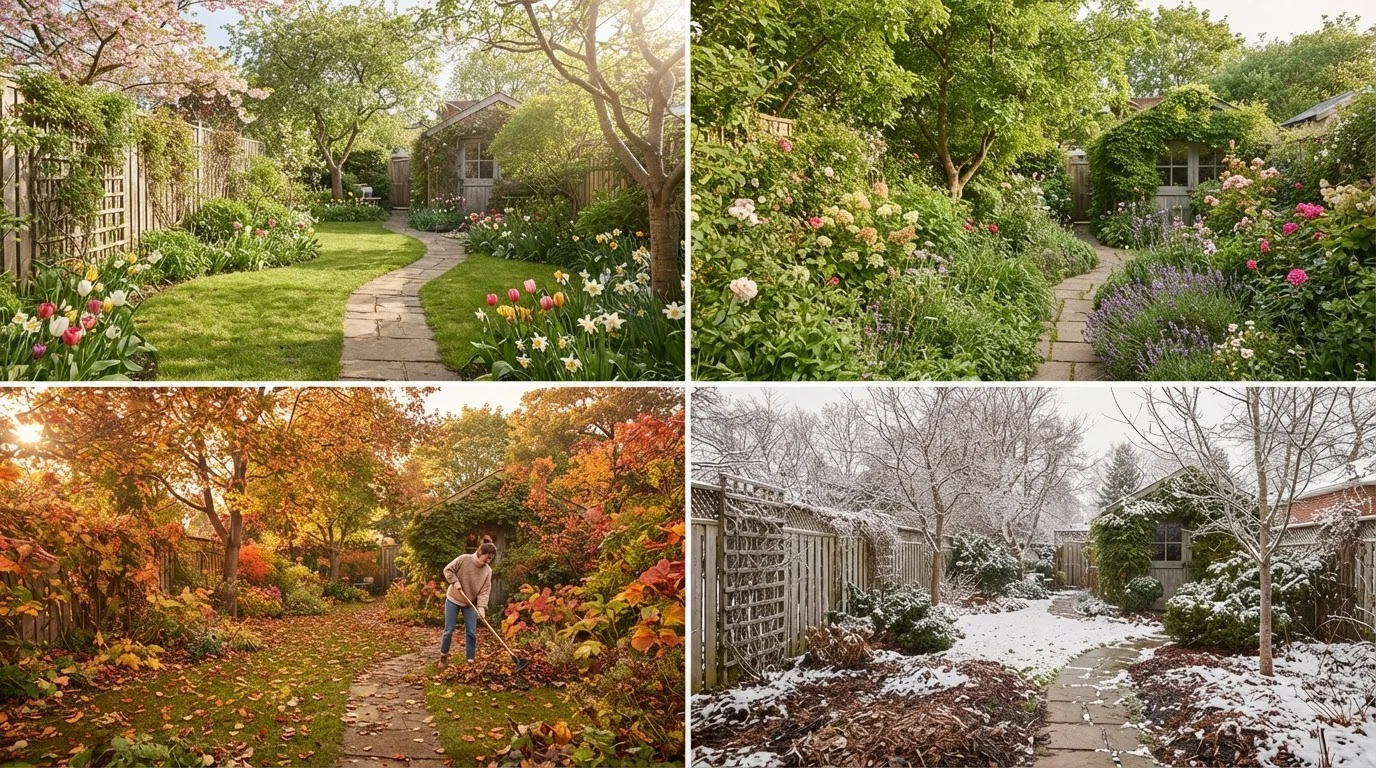
Photo credit: faqsnest.com
In this article
Keep your garden in good shape throughout the year with this season-by-season checklist covering pruning, feeding, planting, and prep.
Key Takeaways
- Seasonal maintenance prevents problems before they escalate into costly or time-consuming fixes.
- Pruning, feeding, and mulching timing varies significantly by season and plant type.
- Soil health and structure should be assessed and improved at least once a year.
- Winter is a productive planning season — not an excuse to ignore the garden entirely.
- Consistent small efforts throughout the year outperform infrequent intensive sessions.
Why a Year-Round Checklist Makes a Difference
Most gardening problems — pest infestations, poor harvests, waterlogged beds, overgrown shrubs — trace back to missed timing rather than bad technique. A seasonal checklist gives you a clear framework so that the right tasks happen at the right moment, before conditions work against you.
This checklist is organized by season and task category. Work through it at the start of each season as a planning tool, then revisit mid-season to stay on track. Think of it alongside our seasonal home maintenance guide, which covers the structural side of your property on a similar cadence.
Not every task will apply to every garden — climate zone, garden size, and plant selection all shape your specific list. Use this as a starting framework and adapt it to your conditions.
Spring
Summer
Autumn
Winter
Tools and Supplies to Have on Hand
Having the right equipment ready before each season begins saves time and avoids mid-task interruptions. Review your supplies each quarter so nothing catches you short during a critical planting or pruning window.
Bypass Pruning Shears
Used for precise cuts on live stems and branches up to about ¾ inch in diameter throughout the year.
Soil Test Kit
Measures soil pH and basic nutrient levels to guide spring amendment decisions and annual soil health checks.
Garden Fork
Loosens compacted soil and incorporates compost or amendments without disrupting soil structure as severely as a spade.
Soaker Hose or Drip Irrigation
Delivers water directly to root zones, reducing evaporation and minimizing foliar moisture that encourages fungal disease.
Organic Mulch (bark, straw, or shredded leaves)
Applied to beds each season to suppress weeds, moderate soil temperature, and retain moisture.
Bulb Planter
Creates uniform planting holes quickly when putting in large quantities of spring bulbs in autumn.
Garden Notebook
Tracks planting dates, pest observations, soil amendments, and seasonal notes to inform future planning.
If water efficiency is a priority for your garden — particularly in drier regions or during summer — our drought-tolerant gardening principles guide covers strategies that pair well with this maintenance routine. And if you'd prefer a garden that demands less ongoing effort overall, low-maintenance outdoor design approaches may offer useful design alternatives.
Timing Pruning Incorrectly Can Reduce Flowering
Pruning spring-flowering shrubs such as lilac or forsythia in autumn or winter removes the buds they have already set for next year's bloom. Always prune spring-bloomers immediately after their flowers fade — not before. When in doubt, research the specific bloom time of your plant before picking up the shears.
Not All Fertilizers Suit Every Season
Applying a high-nitrogen fertilizer in late summer or autumn can push tender new growth that is then vulnerable to frost damage. Match your fertilizer type to the season and plant need — a slow-release balanced formula is generally safer than a fast-acting product used at the wrong time. Always follow label guidance on application rates to avoid overfeeding, which can harm soil biology.
Making the Most of This Checklist
Mark items as you complete them and note any observations — unusual pest activity, poor drainage spots, or plants that underperformed. These notes become invaluable when you plan next season's planting or troubleshoot recurring issues. A simple notebook kept near your garden tools is enough.
Prioritize must items first each season; should tasks improve outcomes noticeably; nice-to-have items are worth doing when time and energy allow. The goal isn't perfection — it's consistent, informed attention. Much like maintaining a vehicle, smaller regular efforts prevent the larger interventions that come from neglect. The same prioritization logic covered in our car maintenance priority guide applies equally well here: focus first on what prevents damage, then on what improves performance.

Author
Home & Garden Editorial Team
Home & Garden Editorial Team is the collective byline for our editorial team and contributor network. Articles published under this byline or an editorial pen name are researched, written, and reviewed according to our editorial standards for clarity, consistency, and independence before publication.
View all articles →