
Fibre: The Nutrient Most People Undereat and Why It Matters
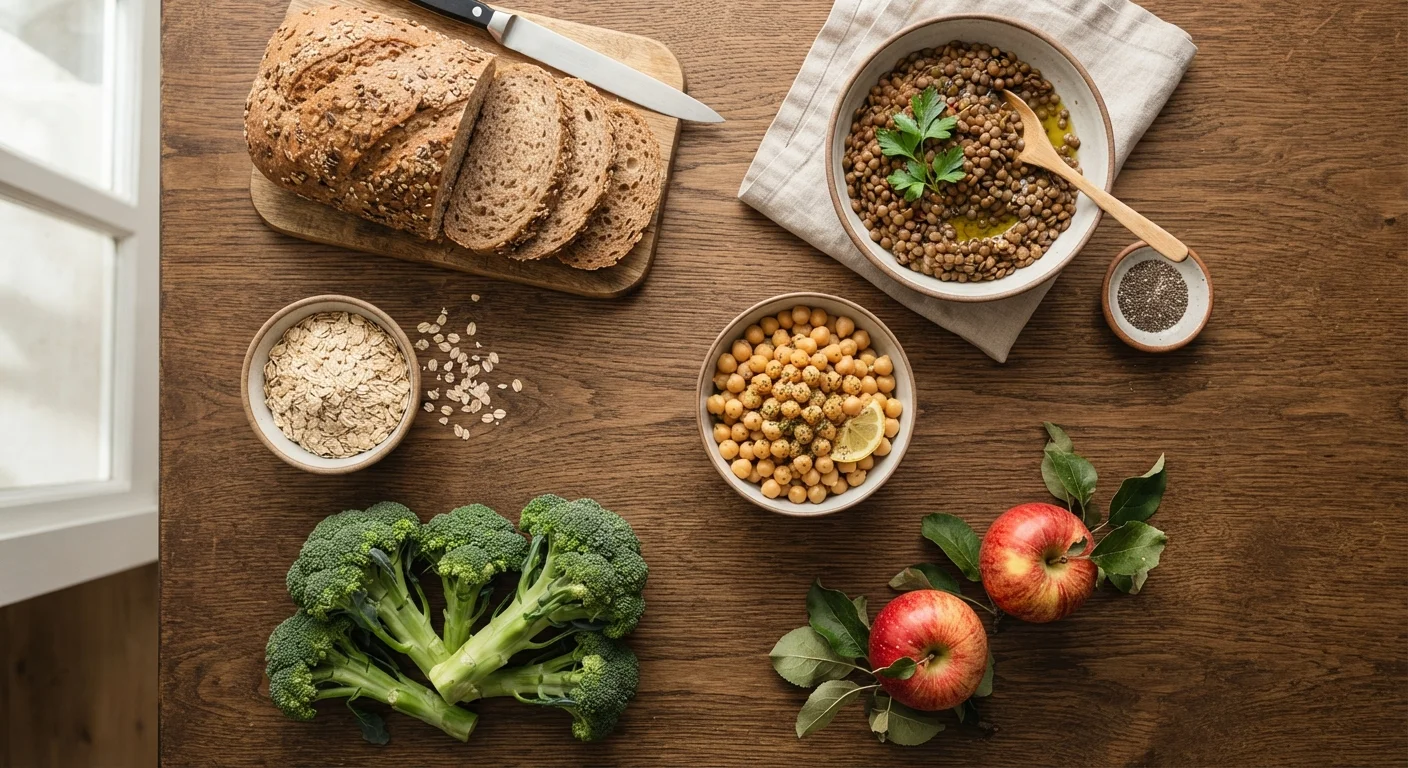
Photo credit: faqsnest.com
In this article
Dietary fibre does far more than aid digestion. Here's what it is, what it does in the body, and which everyday foods are richest in it.
Key Takeaways
- Most American adults consume roughly half the recommended daily fibre intake.
- Fibre supports digestive health, blood sugar regulation, cholesterol levels, and gut microbiome diversity.
- Soluble and insoluble fibre serve different functions — whole plant foods typically provide both.
- Legumes, whole grains, vegetables, and fruits are the most practical high-fibre additions to everyday meals.
- Increasing fibre gradually with adequate water intake helps avoid temporary digestive discomfort.
Why Fibre Keeps Getting Overlooked
Fibre rarely gets the headline attention that protein or vitamins do, yet public health data consistently shows it's one of the most widely underconsumed nutrients in the American diet. National nutrition surveys estimate that most US adults take in roughly 15 grams of fibre daily — about half of what dietary guidelines recommend. This gap has real health consequences, yet it's one of the more correctable nutrition shortfalls through everyday food choices.
Part of the reason fibre gets overlooked is that it doesn't fuel the body in the direct, measurable way that calories do. It's also not a vitamin or mineral with a dramatic deficiency disease attached to its name. But evidence linking adequate fibre intake to reduced risk of several chronic diseases is substantial and long-standing — making it a nutrient worth understanding properly.
If you've found nutrition labels confusing or aren't sure where fibre fits into the bigger picture, our guide to reading nutrition labels breaks down exactly where to find and interpret fibre content on packaged foods.
What Fibre Actually Does in Your Body
Fibre's effects are wide-ranging, and they depend partly on the type you're eating.
Soluble fibre — found in oats, barley, legumes, apples, and citrus — dissolves in water and forms a viscous gel in the digestive tract. This slows digestion, which helps moderate blood sugar spikes after meals and can lower LDL ("bad") cholesterol by binding to bile acids and drawing them out of the body. Insoluble fibre — abundant in whole wheat, bran, nuts, and most vegetables — doesn't dissolve. Instead, it adds bulk to stool and helps food move through the colon more efficiently, reducing constipation risk.
Beyond digestion, fibre feeds the trillions of microbes living in your gut. Fermentation of soluble fibre by gut bacteria produces short-chain fatty acids — compounds that help maintain the gut lining, reduce inflammation, and may influence immune function. A diet consistently low in fibre is associated with reduced gut microbiome diversity, which researchers increasingly link to a range of metabolic and immune outcomes.
~15g
Average daily fibre intake for US adults
National Health and Nutrition Examination Survey (NHANES) data consistently shows Americans average about 15 grams per day — well below the 25–38g guidelines.
25–38g
Recommended daily fibre intake for adults
The Dietary Guidelines for Americans recommend 25g/day for women and 38g/day for men, based on population health research.
~15g
Fibre per cup of cooked lentils
Lentils are among the most fibre-dense common foods, providing more than half a day's recommended intake in a single serving.
Fibre also contributes to satiety. High-fibre foods generally take longer to chew and digest, which means they tend to keep you fuller for longer — a practical benefit for managing energy intake without strict calorie counting.
The Best Everyday Sources of Fibre
The good news is that high-fibre foods are not exotic or expensive. They're staples that most people already know — the challenge is simply eating enough of them consistently.
- Legumes: Cooked lentils deliver around 15 grams of fibre per cup. Black beans, chickpeas, and kidney beans are comparably rich. Adding a can of beans to soups, salads, or grain bowls is one of the most efficient ways to close the fibre gap.
- Whole grains: Oats, barley, whole wheat bread, brown rice, and quinoa all offer more fibre than their refined counterparts. Barley in particular is unusually high in beta-glucan, a soluble fibre with well-documented cholesterol-lowering effects.
- Vegetables: Broccoli, Brussels sprouts, carrots, artichokes, and sweet potatoes are among the higher-fibre options. Eating vegetables with their skin where edible (e.g., sweet potatoes, carrots) boosts intake further.
- Fruits: Raspberries, pears, apples (with skin), and bananas are practical, widely available fibre sources. Dried fruits are concentrated but also higher in sugar — portion awareness matters here.
- Nuts and seeds: Flaxseed, chia seeds, and almonds add meaningful fibre alongside healthy fats and are easy to mix into existing meals.
For a broader look at how legumes and grains also contribute to protein intake, see our comparison of protein sources — many high-fibre foods double as solid protein options.
How to Increase Fibre Without the Side Effects
Jumping from a low-fibre diet to a high-fibre one overnight is a reliable way to experience bloating, gas, and cramps. The gut microbiome needs time to adjust to increased fermentation activity. A gradual approach works better: add one or two high-fibre foods per week rather than overhauling the entire diet at once.
Hydration matters too. Insoluble fibre requires water to do its job effectively — without enough fluid, it can actually worsen constipation rather than relieve it. Most people find that drinking water consistently throughout the day resolves this issue. Our article on hydration and food covers how much fluid you're likely already getting from what you eat.
A few practical entry points that work for most people:
- Switch refined grain products (white bread, white rice, regular pasta) for whole-grain versions one meal at a time.
- Add a legume-based dish — lentil soup, bean tacos, hummus — to your weekly rotation.
- Keep fruit with its skin on where possible. An apple with skin has roughly twice the fibre of one without.
- Sprinkle chia or flaxseed into oatmeal, yogurt, or smoothies for an easy fibre boost.
This article provides general nutritional information and is not a substitute for personalised advice from a registered dietitian or healthcare provider. If you have a digestive condition or specific health concern, consult a qualified professional before making significant dietary changes.
Frequently Asked Questions

Author
Everyday Lifestyle Editorial Team
Everyday Lifestyle Editorial Team is the collective byline for our editorial team and contributor network. Articles published under this byline or an editorial pen name are researched, written, and reviewed according to our editorial standards for clarity, consistency, and independence before publication.
View all articles →