
When a Statement Piece Works Against You
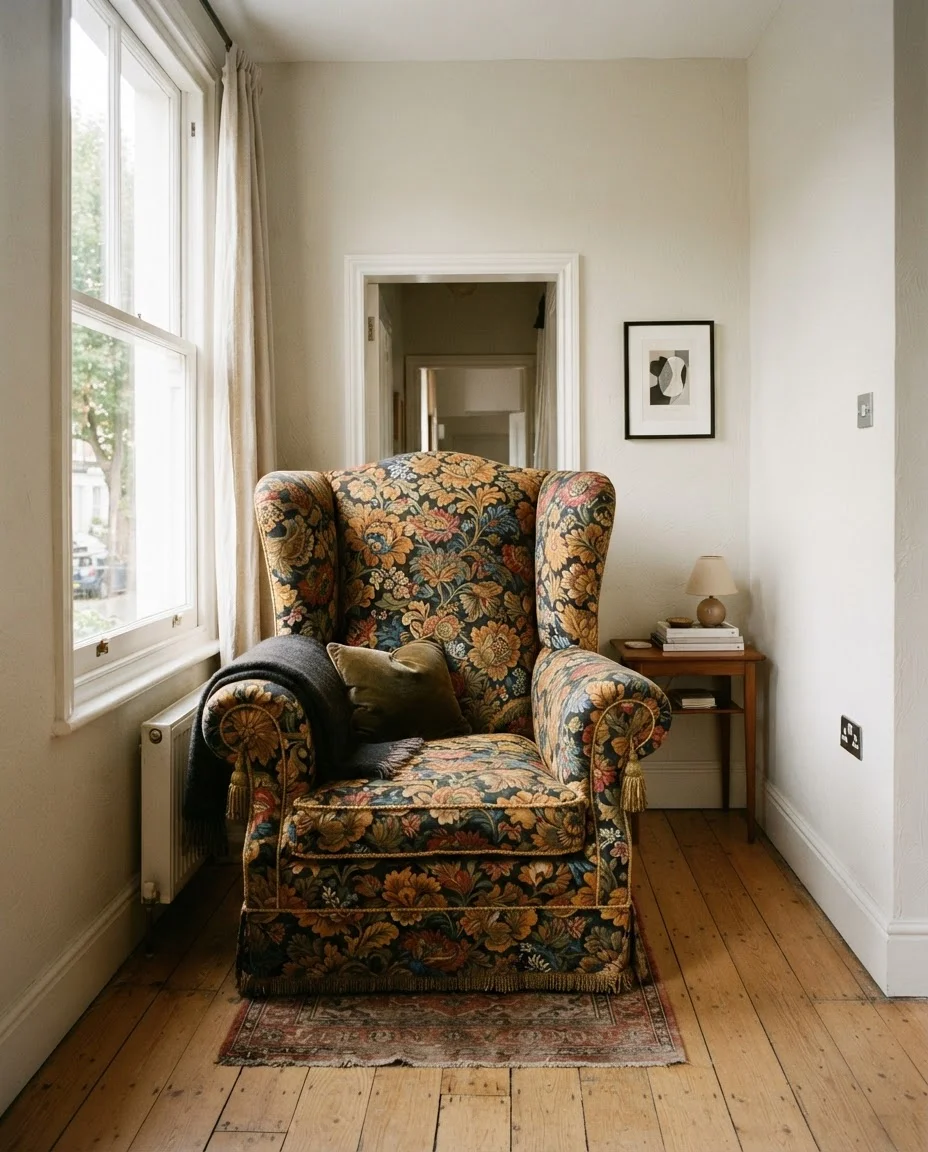
Photo credit: faqsnest.com
A bold centrepiece can anchor a room — or overwhelm it. Here's why statement pieces so often backfire and how to use them well.
Key Takeaways
- A statement piece needs supporting context — neutral surroundings and intentional placement — to actually land.
- Scale is the most common failure point: a piece that works in a showroom may overwhelm your actual room dimensions.
- One true focal point per room is usually the right limit; competing statement pieces cancel each other out.
- Impulse purchases rarely account for the room's existing palette, proportion, or traffic flow.
- Treating a statement piece as the starting point — rather than the finishing touch — produces more cohesive results.
Why Statement Pieces So Often Backfire
A statement piece — an oversized artwork, a sculptural light fixture, a dramatically upholstered sofa — is supposed to give a room its personality. When it works, the whole space feels curated and intentional. When it doesn't, it just looks like a mistake that cost a lot of money.
The trouble is that showrooms, social media feeds, and design magazines are optimized to make bold objects look their absolute best. They're staged in generously proportioned rooms with professional lighting and carefully edited surroundings. Your living room is none of those things — and that gap between inspiration and reality is where statement pieces most reliably go wrong.
Understanding the specific mistakes that cause this is more useful than vague advice to "trust your eye." The errors are predictable, and so are the fixes. For a grounding reference on the underlying principles at work here, see our guide on design principles every room should follow.
Choosing the piece before understanding the room's scale.
Why it happens: Shoppers fall in love with an object in isolation — online, in a store, or in an inspirational photo — without accounting for their actual room dimensions.
Introducing a statement piece into an already-busy room.
Why it happens: Rooms accumulate objects gradually, and it can be hard to see the cumulative visual noise when you're used to the space.
Buying on impulse without considering the existing colour palette.
Why it happens: An eye-catching piece triggers an emotional response that temporarily overrides practical thinking about whether it actually fits the room's colours and tones.
Placing the piece without creating a relationship to other elements.
Why it happens: People often focus entirely on the object itself and treat its placement as an afterthought, pushing it against whichever wall has space.
Using multiple statement pieces in the same room.
Why it happens: Enthusiasm for design can lead to layering bold elements — a dramatic sofa, a large-scale artwork, a sculptural light — each chosen with good intentions but collectively overwhelming.
How to Give a Statement Piece Room to Breathe
Even a genuinely well-chosen statement piece will underperform if the room around it isn't prepared to support it. The practical work happens before the piece arrives.
Establish your base layer first. Walls, flooring, and secondary furniture should read as relatively calm before you introduce your focal point. A room with busy wallpaper, a patterned rug, and a collection of colourful throw pillows doesn't have room left for a statement — it's already full of noise. Simplifying the surrounding elements isn't a compromise; it's what allows the statement piece to actually be heard.
Audit your scale before you commit. Tape out the footprint of any large furniture on the floor using painter's tape. For wall art or mirrors, cut a paper template to the exact dimensions and pin it up. Live with the outline for a day. This is especially important in compact spaces — our piece on spatial tricks for small living rooms explains how scale choices ripple through a tight floor plan.
Anchor it deliberately. A statement piece placed arbitrarily in a corner or against a random wall just looks lost. It needs to relate to something — a sofa facing it, a rug underneath it, pendant lighting drawing the eye toward it. The relationship between the piece and its immediate surroundings is what transforms it from object to focal point.
Resist adding a second statement. Once you have one strong focal point, subsequent bold pieces compete rather than complement. If you find yourself drawn to a second dramatic element, ask honestly whether the first piece is really working — because the urge to layer in more is often a sign the original isn't anchored well enough to carry the room on its own. For more on managing pattern and visual complexity, decorating with pattern offers a useful framework.
1 in 3
Homeowners who regret a large furniture purchase
Surveys by home retail researchers consistently find that oversized or poorly fitted furniture is among the most common sources of buyer's remorse in home décor.
~60%
Of a room's visual weight typically held by the largest piece
Interior design educators generally note that the dominant object in a room commands the majority of visual attention, underscoring why scale decisions are so consequential.

Author
Home & Garden Editorial Team
Home & Garden Editorial Team is the collective byline for our editorial team and contributor network. Articles published under this byline or an editorial pen name are researched, written, and reviewed according to our editorial standards for clarity, consistency, and independence before publication.
View all articles →