
Interior Design Styles Decoded: A Visual Reference Guide
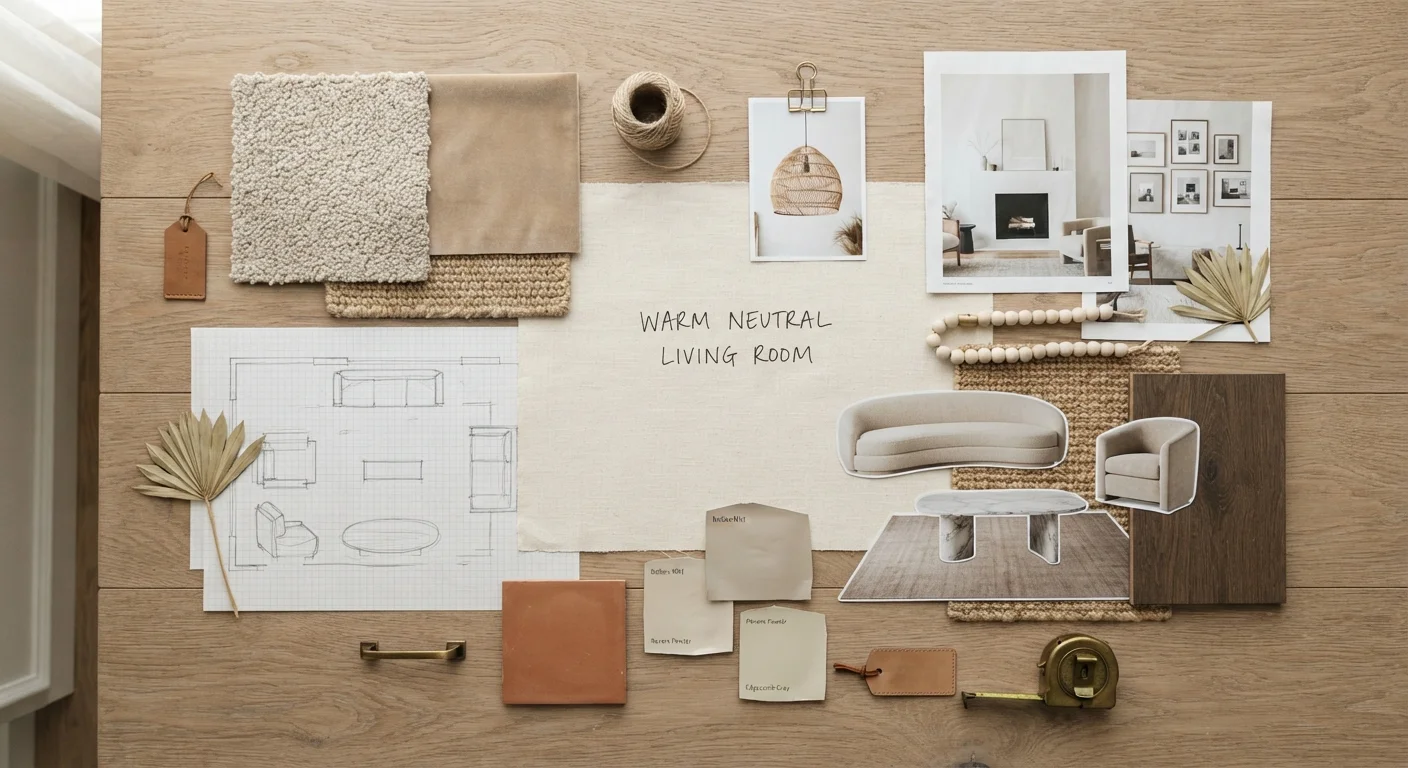
Photo credit: faqsnest.com
In this article
From Scandinavian to maximalist, this reference breaks down the defining features of the most recognised interior design styles.
Why Design Styles Matter
Interior design styles are more than aesthetic labels — they're frameworks of consistent choices in color, material, form, and proportion. Understanding them helps you make deliberate decisions rather than accumulating furniture that doesn't quite fit together. Once you can name what appeals to you visually, you can shop more efficiently, communicate with contractors and decorators more precisely, and avoid expensive mistakes.
Most real-world rooms blend two or more styles. Knowing the defining traits of each gives you the vocabulary to do that intentionally. Before diving into individual styles, it helps to understand the core design principles — balance, proportion, and rhythm — that make any style work in practice.
Hygge
A Danish and Norwegian concept meaning a quality of coziness and comfortable conviviality. In interior design, it influences the use of soft textiles, warm lighting, and inviting, lived-in spaces.
Negative space
The intentional empty area around or between objects in a room. In minimalist design especially, negative space is treated as an active design element rather than wasted area.
Transitional style
A design approach that bridges traditional and contemporary aesthetics, using classic furniture silhouettes in modern finishes and neutral palettes. It's often described as timeless rather than trend-driven.
Visual weight
The perceived heaviness or dominance of an object based on its color, size, pattern, and texture — not its physical mass. Dark, large, or patterned pieces carry more visual weight than light, small, or plain ones.
Eclecticism
A design approach that deliberately mixes periods, styles, and cultures. When done intentionally, with a unifying color or material thread, eclectic rooms feel curated rather than random.
Palette
The specific set of colors chosen for a room or home. A cohesive palette typically includes a dominant color, one or two secondary colors, and one or two accent colors used sparingly.
The Most Recognised Interior Design Styles
Below is a reference breakdown of widely practiced interior design styles, their hallmark characteristics, and the rooms or lifestyles they suit best.
Scandinavian (Scandi)
Core traits: Muted palette (whites, grays, soft naturals), functional furniture with clean lines, natural wood tones, minimal ornamentation, cozy textiles (hygge influence).
Best for: Small spaces, apartments, first-time decorators.
Watch out for: Can feel cold without warm-toned wood, layered rugs, or ample lighting.
Minimalist
Core traits: Deliberate reduction of objects, monochromatic or near-neutral color schemes, hidden storage, negative space treated as a design element.
Best for: Urban homes, open-plan living, those who prefer low visual noise.
Watch out for: Requires strict editing discipline; unfinished minimalism reads as sparse, not intentional.
Mid-Century Modern
Core traits: Post-WWII American design influence, organic curves, tapered legs, warm wood tones, bold accent colors (mustard, olive, rust), large windows celebrated rather than covered.
Best for: Ranch-style homes, open living and dining areas.
Watch out for: Easy to tip into costume-like retro territory — mix eras lightly.
Industrial
Core traits: Exposed structural elements (brick, ductwork, concrete), raw metal finishes, utilitarian furniture, dark or moody color palettes, open floor plans.
Best for: Lofts, converted spaces, studios.
Watch out for: Acoustics suffer without soft furnishings to absorb sound; balance hard surfaces with fabric and plant life.
Traditional / Classic
Core traits: Symmetrical arrangements, rich jewel tones or warm neutrals, ornate millwork, upholstered seating with rolled arms, layered window treatments, antiques or antique-inspired pieces.
Best for: Formal living rooms, dining rooms, older homes with existing architectural detail.
Watch out for: Can feel heavy without editing; introduce lighter materials to update without losing warmth.
Bohemian (Boho)
Core traits: Layered patterns, global textiles, eclectic mix of furniture eras, rich saturated or earthy colors, abundant plants, collected-over-time feel.
Best for: Renters who want personality without permanent changes, creative households.
Watch out for: Genuine eclecticism is intentional — anchor with a consistent color family to prevent visual chaos.
Transitional
Core traits: Hybrid of traditional and contemporary; classic silhouettes in updated fabrics and finishes, neutral palettes with selective texture, neither fussy nor stark.
Best for: Families, resale value, those unable to commit to a single strong style.
Watch out for: Can become blandly safe without at least one bold statement element per room.
Maximalist
Core traits: Purposeful abundance — gallery walls, rich pattern mixing, layered color, collections on display, no fear of visual density.
Best for: Confident decorators, rooms with strong natural light and good scale.
Watch out for: Maximalism differs from clutter; a coherent color story holds it together. See how texture layering plays a critical role in this style.
| Dominant style rule of thumb | 70% primary style, 30% accent style |
| Most beginner-friendly style | Scandinavian — simple palette, functional furniture |
| Style requiring most editing discipline | Minimalist — every object must earn its place |
| Best for rental spaces | Bohemian — relies on layered textiles and decor, not structural changes |
| Key unifier when blending styles | A consistent color palette across all pieces |
| Transitional style appeal | Broadly appealing, durable choice for resale or family homes |
Blending Styles Without Losing Cohesion
Few rooms succeed as pure expressions of a single style. More often, a primary style provides the structural framework — dictating furniture silhouettes, material choices, and the overall palette — while secondary influences add personality. A useful rule of thumb: select one dominant style to cover roughly 70% of your design decisions, and allow a second style to inform the remaining 30% through accent pieces, art, or textiles.
Color is the easiest unifying thread. If a Scandi base and a Bohemian accent share the same warm beige and rust palette, they'll read as cohesive rather than confused. Pattern scale is a second tool: vary sizes (large, medium, small) rather than competing motifs of equal visual weight.
If you're approaching a full room overhaul, the room-by-room design checklist walks through how to apply these style choices methodically — from layout decisions to finishing details. For a deeper grounding in the conceptual vocabulary behind style selection, fourteen foundational design concepts is a worthwhile starting point.

Author
Home & Garden Editorial Team
Home & Garden Editorial Team is the collective byline for our editorial team and contributor network. Articles published under this byline or an editorial pen name are researched, written, and reviewed according to our editorial standards for clarity, consistency, and independence before publication.
View all articles →