
Why Rented Spaces Can Still Feel Like Yours
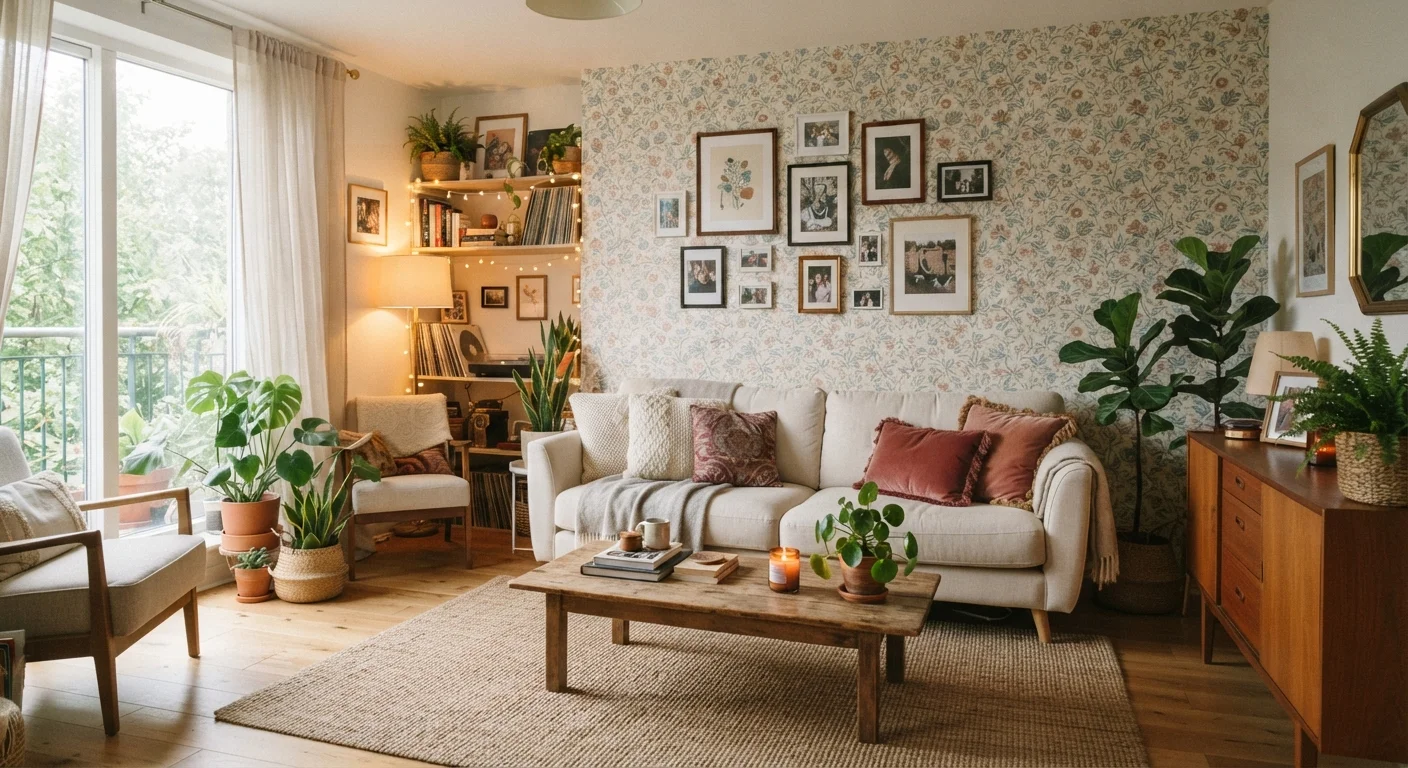
Photo credit: faqsnest.com
In this article
Temporary doesn't mean bland. Explore renter-friendly design approaches that personalise a space without risking your deposit.
Key Takeaways
- Removable, damage-free products let renters personalise spaces without risking their security deposit.
- Layering textiles, lighting, and plants is one of the most effective ways to shift a room's mood.
- Furniture arrangement and area rugs can define zones and add character independent of wall colour.
- Understanding your lease terms before making changes protects both your deposit and your relationship with your landlord.
- Even modest, reversible choices compound — small decisions across a whole space create a cohesive, personal result.
Why Renters Often Feel Stuck
Moving into a rented apartment or house often comes with an unspoken rule: don't touch anything. Landlord-white walls, generic light fixtures, and the nagging fear of losing a security deposit can make personalising a space feel out of reach. The result is that many renters simply live around their surroundings rather than within them — tolerating a home that doesn't reflect who they are.
That constraint is real, but it's also narrower than most people assume. A significant portion of what makes a space feel personal has nothing to do with the walls or the fixtures at all. It lives in the layer of things you bring: the furniture you arrange, the light you create, the textures you stack, and the objects you choose to keep visible. Understanding this distinction is the first step toward making any rented space genuinely feel like yours.
Damage-free hanging
A category of adhesive hooks and strips designed to hold objects on walls without nails or screws, and to be removed cleanly without leaving marks or pulling off paint.
Peel-and-stick wallpaper
A self-adhesive, repositionable wall covering that can be applied to smooth painted surfaces and removed without leaving permanent residue, unlike traditional paste wallpaper.
Feature wall
A single wall in a room treated differently from the others — with a contrasting colour, pattern, or texture — to create a focal point without committing the entire space to one look.
Zone
A visually or functionally distinct area within a larger open space, defined through furniture placement, rugs, or lighting rather than physical walls.
Tension shelving
A freestanding shelving system that uses pressure between the floor and ceiling to stay in place, requiring no drilling, screws, or wall fixings.
Security deposit
An upfront payment made by a tenant to a landlord, held as protection against damage beyond normal wear and tear, and typically returned at the end of the tenancy if the property is left in acceptable condition.
The Renter-Friendly Design Toolkit
Before spending anything, it helps to think in categories. Renter-friendly design tools fall into two broad groups: removable surface treatments and portable furnishings. The first group includes things like peel-and-stick wallpaper, adhesive tile decals, and damage-free hanging hardware. The second includes every piece of furniture, lighting fixture, textile, and object you own or acquire — all of which you'll take with you when you leave.
- Peel-and-stick wallpaper: Available in a wide range of patterns and textures, these panels can transform a feature wall without leaving residue when properly removed. Test a small corner first to confirm compatibility with your wall surface.
- Adhesive hooks and strips: Rated for specific weights, these products hang artwork, mirrors, and shelving without nails. Follow removal instructions carefully to avoid paint pull-off.
- Area rugs: One of the highest-impact, zero-permission changes you can make. A well-chosen rug defines zones, adds warmth, and anchors furniture arrangements.
- Plug-in lighting: Pendant lights with fabric cords, floor lamps, and clip-on spots replace overhead glare without any wiring. They move with you and require no landlord approval.
- Plants: Living greenery adds texture, colour, and a sense of care to any room. Even a single well-placed plant shifts a room's energy.
Working With Colour Without Painting
Colour is the element renters most often feel they've lost access to — but painted walls are only one delivery mechanism. Colour arrives through cushions, throws, artwork, curtains, ceramics, and books. A sofa layered with warm-toned cushions and a terracotta throw reads as a colour statement even against a white wall.
If you want colour on a wall surface specifically, removable wallpaper is the most practical route. Apply it to a single accent wall rather than an entire room to keep installation manageable and removal straightforward. Large-format art prints — leaned against the wall rather than hung, or mounted with adhesive strips — can achieve a similar effect with even less commitment.
Curtains deserve particular attention. Most rental properties come with uninspiring window treatments, if any. Swapping them for floor-length panels in a richer fabric dramatically changes the room's perceived size and warmth. Store the originals safely and rehang them before you move out. Check out our piece on common interior design myths to understand which colour and décor assumptions are worth questioning.
Furniture and Layout as Identity
Where you put things matters as much as what you own. Furniture pushed flat against every wall is a common default that actually makes rooms feel smaller and more impersonal. Pulling a sofa slightly away from the wall and angling chairs toward each other creates a conversation-first layout that signals that someone lives and thinks here.
For ideas on making compact layouts work without permanent changes, see our guide to spatial tricks for small living rooms. The same principles apply in rentals — furniture arrangement is fully reversible and costs nothing.
If you're navigating an open floor plan in a rental, consider how portable elements like bookshelves, console tables, or large plants can suggest zones without building anything. Our article on open-plan versus defined zones walks through how to approach that decision thoughtfully.
Layer, Don't Just Add
The difference between a room that feels considered and one that feels cluttered is often layering versus accumulating. Start with a rug to anchor the space, add lighting at different heights, then introduce textiles and objects in an intentional sequence. Each layer should add to the ones before it — if something doesn't contribute, it's probably not needed.
Small Spaces and Specific Rooms
Certain rooms in rentals tend to feel especially impersonal — bathrooms and kitchens in particular, where fixtures and finishes are most fixed. In bathrooms, the impact of a new shower curtain, a wooden bath mat, and a small piece of wall art hung with an adhesive strip is surprisingly significant. Matching your soap dispenser, toothbrush holder, and towels to a cohesive palette does much of the work that a renovation would otherwise accomplish.
For layout and storage ideas in compact bathrooms specifically, our small bathroom design guide covers approaches that don't require any structural changes.
In kitchens, peel-and-stick tile decals applied to a backsplash, open shelving added with tension systems, and plants on the windowsill all personalise the space while remaining removable. Swapping out generic cabinet hardware is another option some renters pursue — save the originals and reinstall them before moving out.
Know Your Boundaries Before You Begin
Understanding what your lease actually permits is essential — not just to protect your deposit, but to maintain a good relationship with your landlord. Most leases prohibit structural changes, painting without permission, and permanent fixture alterations. Many are silent on reversible decorating, which generally means it's permissible, but when in doubt, ask in writing and keep a record of the response.
For a more detailed look at which upgrades typically require approval and which don't, our article on what tenants can and cannot change is a practical starting point. It covers common upgrade categories and framing for conversations with landlords.
The broader principle is straightforward: know what you're working with, be honest about what you've changed, and restore the property to its original condition before handing back the keys. Within those boundaries, there is far more creative room than most renters ever use.
Frequently Asked Questions

Author
Home & Garden Editorial Team
Home & Garden Editorial Team is the collective byline for our editorial team and contributor network. Articles published under this byline or an editorial pen name are researched, written, and reviewed according to our editorial standards for clarity, consistency, and independence before publication.
View all articles →