
Nostalgia as a Cultural Force: Why America Keeps Looking Backward
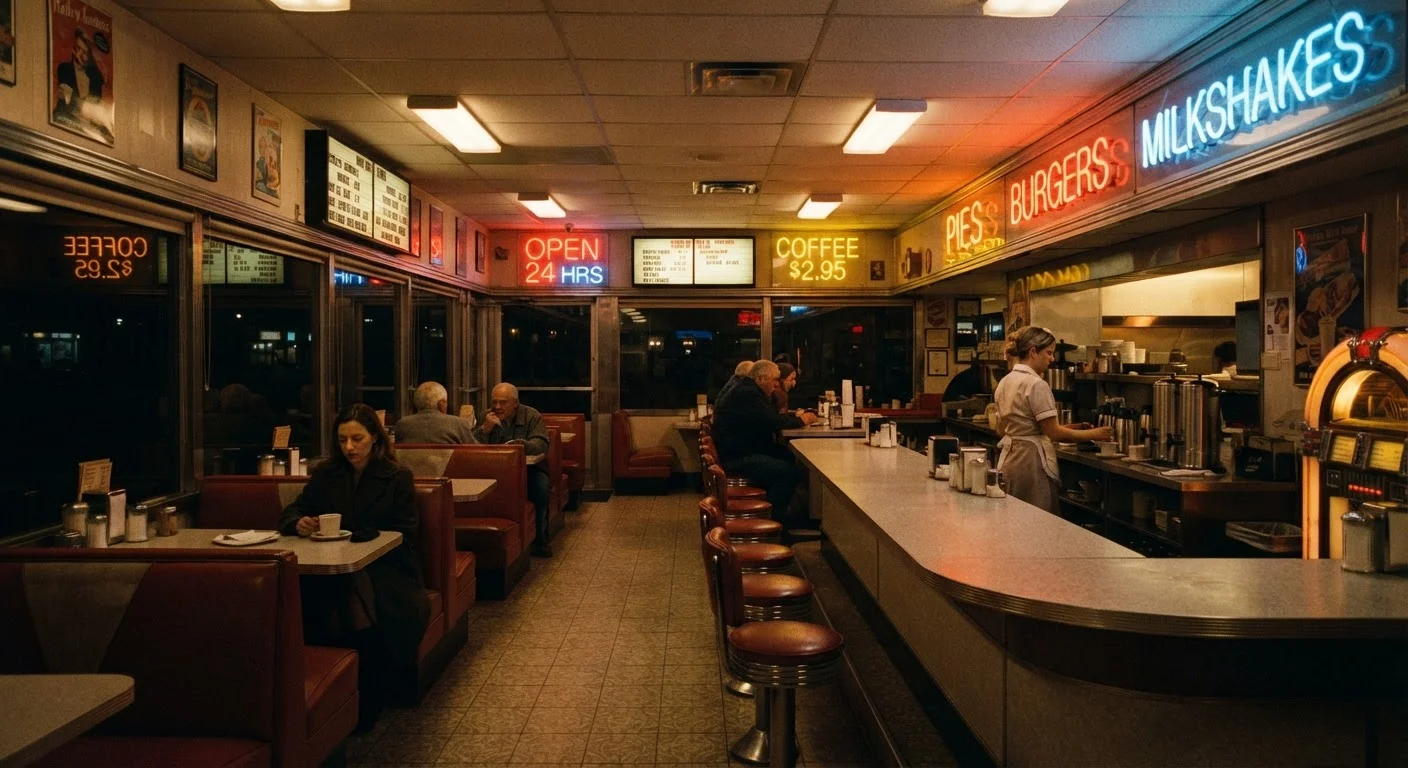
Photo credit: faqsnest.com
In this article
Reboots, retro aesthetics, and "simpler times" rhetoric are everywhere. Explore why nostalgia surges during periods of uncertainty and what it reveals about collective anxiety.
Key Takeaways
- Nostalgia surges predictably during periods of collective uncertainty or rapid social change.
- The past Americans long for is often a curated myth rather than an accurate historical record.
- Entertainment industries profit from nostalgia, which reinforces and amplifies the cycle.
- Cultural nostalgia can bind communities together but also fuel exclusionary 'return to greatness' narratives.
- Understanding the psychological roots of nostalgia helps distinguish healthy reflection from avoidance.
The Nostalgia Surge: A Pattern, Not an Accident
America's cultural landscape has been saturated with backward glances for years. Television reboots dominate streaming platforms, vinyl record sales have outpaced CDs, and politicians across the ideological spectrum invoke the imagery of a better, simpler past. This isn't random. Nostalgia operates on a recognizable social rhythm, intensifying during periods when collective confidence in the future erodes.
Social psychologists have documented that nostalgia functions as a psychological coping mechanism. When the present feels threatening or incoherent, the mind seeks the emotional comfort of what feels known and resolved. At a cultural scale, that individual impulse becomes a market signal, a political tool, and eventually an aesthetic movement. See the timeline of American cultural shifts since 1970 for the historical pattern of how disruption and cultural longing have tracked together across decades.
~$1.8B
U.S. vinyl record revenue in recent years
The Recording Industry Association of America (RIAA) has reported vinyl revenue surpassing CD revenue for several consecutive years, marking a sustained analog resurgence.
70%+
Top-grossing films based on existing IP
Industry analyses of major studio release slates consistently show the majority of highest-grossing releases are sequels, reboots, or adaptations of pre-existing material.
15–25
Peak nostalgic memory formation age window
Psychological research on 'the reminiscence bump' suggests memories encoded between ages 15 and 25 are disproportionately vivid and emotionally significant throughout life.
What We're Actually Longing For (It's Not the Past)
The past that Americans collectively mourn rarely matches historical reality. The 1950s invoked in political rhetoric erases the segregation, restricted gender roles, and labor precarity that defined that era for millions. The analog 1980s of film nostalgia forgets the AIDS crisis and manufacturing collapse. What nostalgia actually reconstructs is a feeling — of coherence, community, and manageable complexity — not an accurate documentary record.
Literary theorist Svetlana Boym's distinction between restorative and reflective nostalgia is useful here. Restorative nostalgia treats the reconstructed past as literally true and demands its return; reflective nostalgia sits with loss more honestly, acknowledging that things have changed without insisting they must be reversed. Most healthy cultural nostalgia operates in the reflective mode. It's the restorative variety — enshrined in political slogans and culture-war rhetoric — that tends to distort public life.
Understanding this gap matters for anyone trying to read cultural signals clearly. Our guide to reading American cultural trends without being misled offers frameworks for distinguishing genuine cultural sentiment from manufactured or amplified messaging.
Entertainment's Role: Feeding and Manufacturing the Cycle
The entertainment industry does not merely reflect cultural nostalgia — it actively produces it. Studios and streaming platforms have discovered that familiar intellectual property dramatically lowers audience-acquisition costs. A reboot of a beloved franchise arrives pre-loaded with emotional equity. The result is an environment in which nostalgic content is disproportionately greenlighted, which in turn signals to audiences that the past is where cultural meaning resides.
This creates a feedback loop with real consequences for culture. When the majority of high-profile releases revisit prior decades, emerging original voices compete for a narrower slice of attention and resources. The economics and storytelling risks of reboots and franchise filmmaking are worth examining closely — the financial logic is sound in the short term while the cultural cost accumulates gradually.
Music operates similarly. The sonic and cultural factors that make songs feel like their era illuminate why certain sounds become shorthand for entire generations — and why artists deliberately invoke vintage textures to trigger nostalgic attachment in listeners.
Nostalgia's Social Function: Cohesion and Its Shadow
Not all nostalgia is regressive or commercially cynical. Collective memory of shared cultural touchstones — the finales of major television series, the summers dominated by specific albums, the communal experience of landmark films — genuinely binds communities and generations. This is nostalgia in its reflective, socially adhesive form: a way of affirming that a group of people lived through something together and were shaped by it.
The challenge is that shared cultural memory is not equally distributed. As the fragmentation of American monoculture makes clear, the era of mass shared experience that many Americans are nostalgic for was partly a product of a media landscape with limited channels and gatekeepers. The diversity now present in American cultural production was always suppressed, not absent. Nostalgia for monoculture can therefore inadvertently be nostalgia for a time when many voices were simply not heard.
This is the central tension nostalgia presents as a cultural force: it can foster belonging and meaning, or it can selectively reconstruct a past that was only comfortable for some. Recognizing that tension is not a reason to dismiss the emotional experience of nostalgia, but it is a reason to approach it with some analytical honesty.
Frequently Asked Questions

Author
People & Culture Editorial Team
People & Culture Editorial Team is the collective byline for our editorial team and contributor network. Articles published under this byline or an editorial pen name are researched, written, and reviewed according to our editorial standards for clarity, consistency, and independence before publication.
View all articles →