
What Your Dashboard Warning Lights Are Actually Telling You
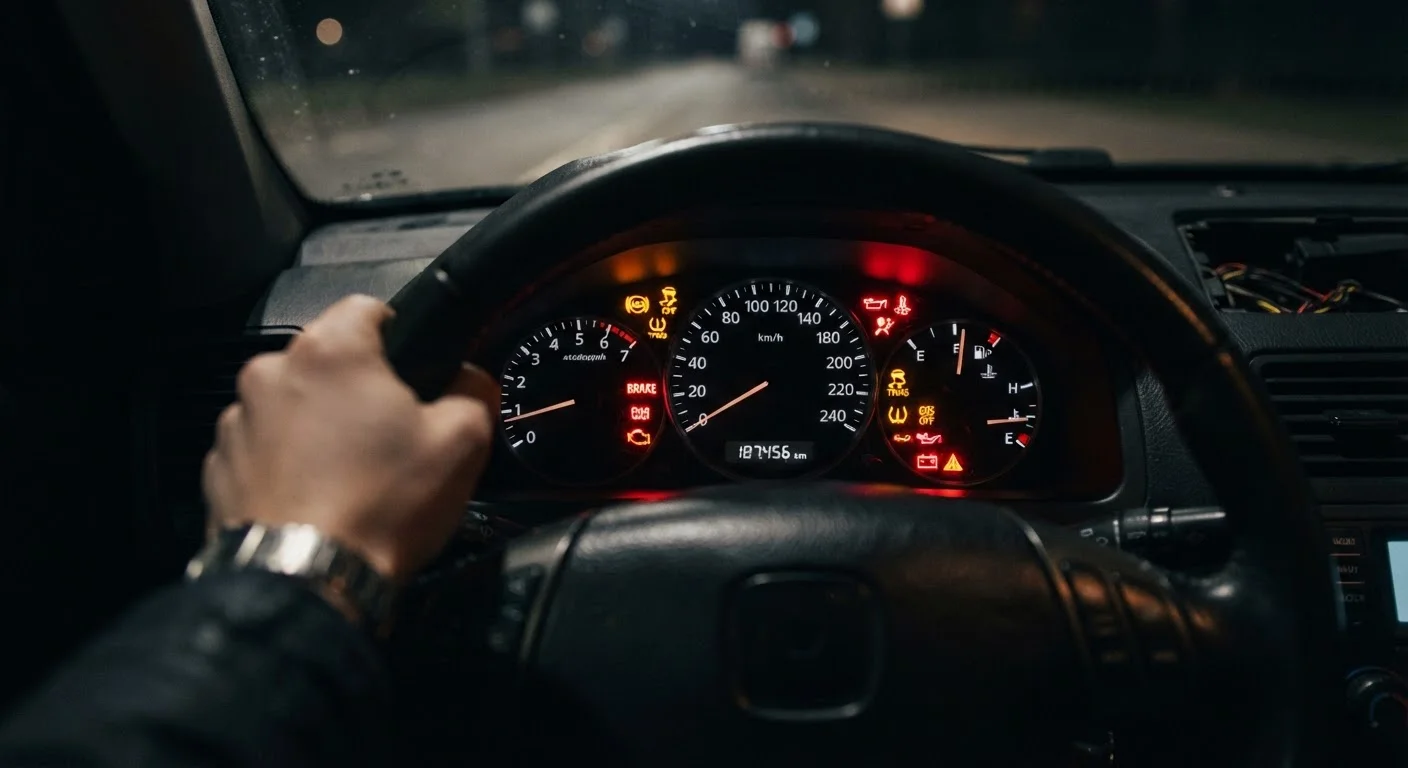
Photo credit: faqsnest.com
In this article
Decode the symbols lighting up your dashboard — from the benign to the urgent — so you know when to act and when to wait.
The Color System: What Red, Amber, and Green Actually Mean
Before diving into individual symbols, it helps to know that dashboard warning lights follow a near-universal color logic. Think of it like a traffic light applied to your vehicle's health.
Red signals an urgent condition — something that may require you to stop driving or take immediate action. Oil pressure loss, overheating, and brake system failures typically show in red. Continuing to drive with a red warning active can cause serious engine or safety damage.
Amber or yellow lights are advisory. They indicate a system needs attention soon, but the car is generally still safe to drive short distances. Engine management faults, low tire pressure, and traction control issues commonly appear in amber.
Green or blue lights are informational — they confirm a system is active, not that something is wrong. Your high beams being on, cruise control engaged, or a turn signal working are typical examples.
A handful of manufacturers also use white or orange for certain system alerts, so your owner's manual remains the definitive reference for your specific vehicle. That said, the red-amber-green framework applies across the vast majority of cars sold in the U.S.
OBD-II
On-Board Diagnostics, second generation. A standardized system built into most vehicles sold after 1996 that monitors engine and emissions systems and stores fault codes when a problem is detected.
TPMS
Tire Pressure Monitoring System. A sensor-based system that alerts the driver when one or more tires drop significantly below the recommended inflation pressure.
Catalytic Converter
An exhaust system component that converts harmful engine emissions into less toxic substances before they exit the tailpipe. Engine misfires can overheat and damage it.
ABS
Anti-lock Braking System. Prevents the wheels from locking up during hard braking, allowing the driver to maintain steering control. Operates automatically without driver input.
Alternator
A generator driven by the engine that produces electrical current to charge the battery and power the vehicle's electrical systems while the engine is running.
Fault Code
A standardized numeric or alphanumeric code stored by the vehicle's computer when a sensor reading falls outside expected parameters. Read with a diagnostic scan tool.
The Lights You're Most Likely to See — and What to Do
Here's a plain-English rundown of the warning lights that appear most frequently, ranked roughly by how urgently they need attention.
Check Engine (Engine Management) Light
Possibly the most anxiety-inducing symbol on any dashboard — a small engine outline, usually amber. It means the onboard diagnostic system has logged a fault code somewhere in the engine, emissions, or related systems. A steady light typically means the fault is stored but not immediately critical. A flashing check engine light, however, signals active misfiring that can damage your catalytic converter and warrants pulling over and getting the car inspected promptly. The only reliable way to know what triggered it is to read the stored fault code — see how OBD-II fault codes work for a plain-language breakdown of that process.
Oil Pressure Warning
A red icon resembling a small oil can with a drop. This is one of the most serious lights on any dashboard. It does not mean your oil is low — it means oil pressure has dropped to a level that could cause immediate engine damage. Pull over safely, shut the engine off, and investigate before driving further. Do not ignore this one.
Temperature Warning
A red thermometer symbol (sometimes with wavy lines beneath) means your engine coolant is overheating. Turn off the air conditioning, pull over when safe, and let the engine cool before opening the hood. Never remove the radiator cap on a hot engine.
Battery / Charging System
A red battery outline indicates the charging system isn't maintaining voltage — typically a failing alternator or battery. The car may continue running for a short time on battery power alone, but electrical systems will begin shutting down. Head directly to a service shop.
Tire Pressure Monitoring System (TPMS)
An amber symbol showing a cross-section of a tire with an exclamation point. One or more tires are significantly underinflated. Check and adjust pressure as soon as possible. Under-inflated tires affect handling, fuel economy, and tire longevity — details on reading tire specifications are in our guide to tire sidewall markings.
Brake System Warning
A red circle with an exclamation point inside, or the letter "P" in a circle. If the parking brake isn't engaged, this light indicates a problem with the hydraulic brake system — low brake fluid, or a fault in a brake circuit. Have this inspected immediately; braking ability may be compromised.
Traction Control / Stability Control
An amber car icon with squiggly lines under the tires. If it flashes briefly while driving in slippery conditions, the system is simply doing its job. If it stays on, traction or stability control has been disabled or has malfunctioned — worth having checked, especially before winter driving.
ABS (Anti-lock Braking System)
An amber circle with "ABS" inside. Regular braking still functions, but the anti-lock feature — which prevents wheel lockup during hard braking — is offline. Drive carefully and get it diagnosed.
For a deeper look at how these systems tie into your car's overall mechanical picture, the eight key systems every driver should understand is a useful companion read.
When to Stop Immediately vs. Schedule a Check-Up
Not every warning light demands you pull over right now. Use this general framework:
- Stop driving immediately (red lights, unusual sounds/smells): Oil pressure, engine temperature, brake system failure
- Drive directly to a shop (red or persistent amber): Battery/charging system, brake warning without obvious cause, flashing check engine light
- Schedule within the week (steady amber): Check engine (steady), TPMS, ABS, traction control malfunction
- Monitor and plan (informational): Low fuel, service reminder, washer fluid low
If you're ever unsure whether a light is serious, err on the side of caution and consult a qualified mechanic. The full dashboard warning light reference covers additional symbols not addressed here. And if your vehicle has advanced driver-assistance features with their own indicators, the plain-language ADAS glossary can help decode those too.
| Red light action | Stop driving as soon as safely possible |
| Amber light action | Schedule service soon; short-distance driving generally OK |
| Flashing check engine light | Pull over promptly — active engine misfire suspected |
| Oil pressure warning | Shut engine off immediately to prevent engine damage |
| TPMS trigger threshold | Typically 25% below recommended tire pressure (NHTSA TPMS rule (49 CFR Part 571)) |
| Best reference for your car | Owner's manual — defines every symbol for your exact model |

Author
Cars & Driving Editorial Team
Cars & Driving Editorial Team is the collective byline for our editorial team and contributor network. Articles published under this byline or an editorial pen name are researched, written, and reviewed according to our editorial standards for clarity, consistency, and independence before publication.
View all articles →